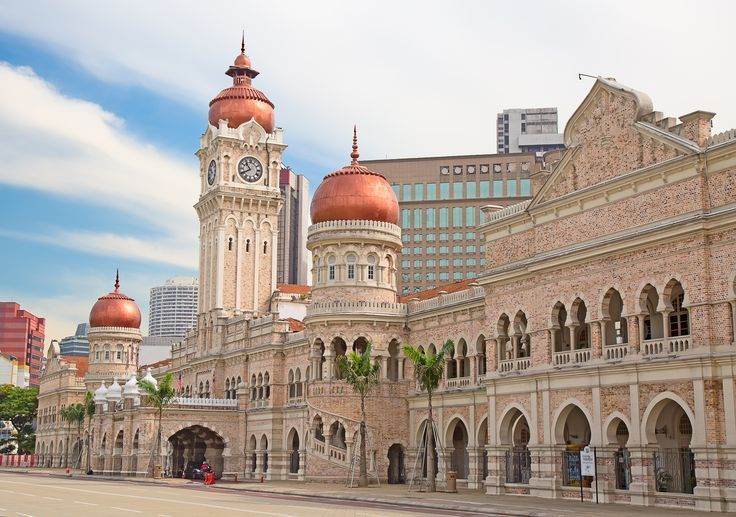
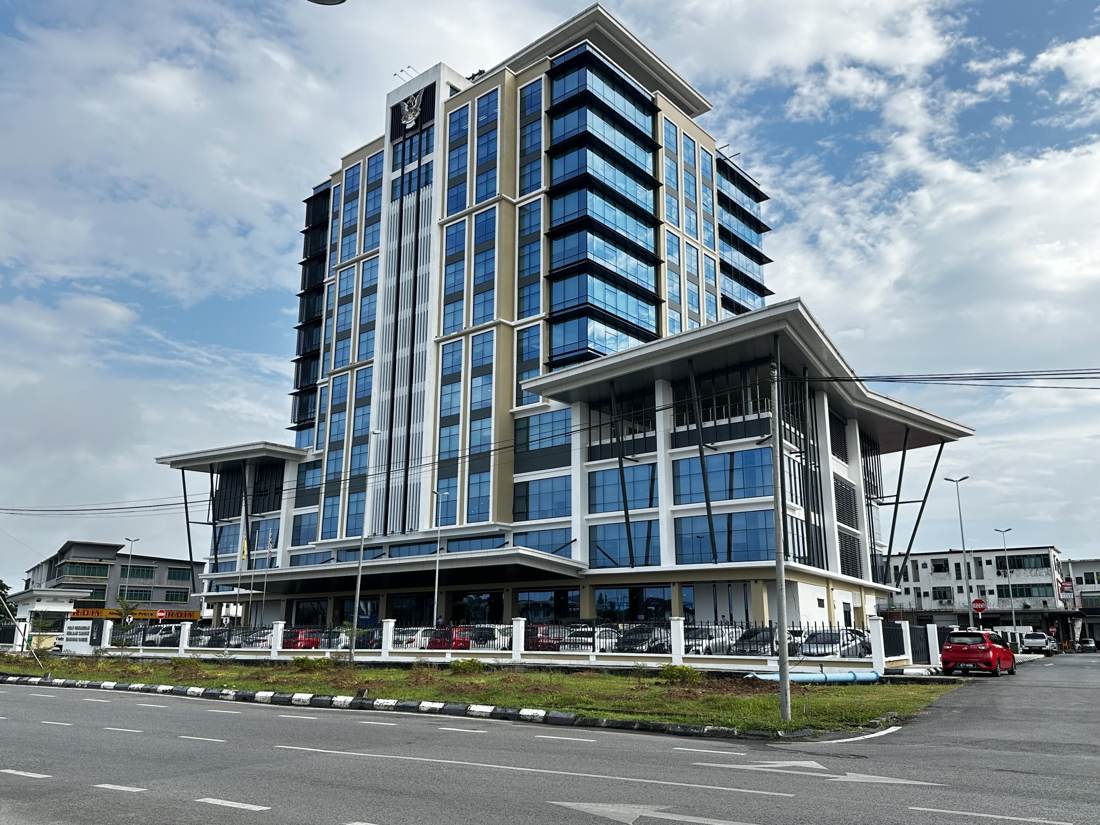
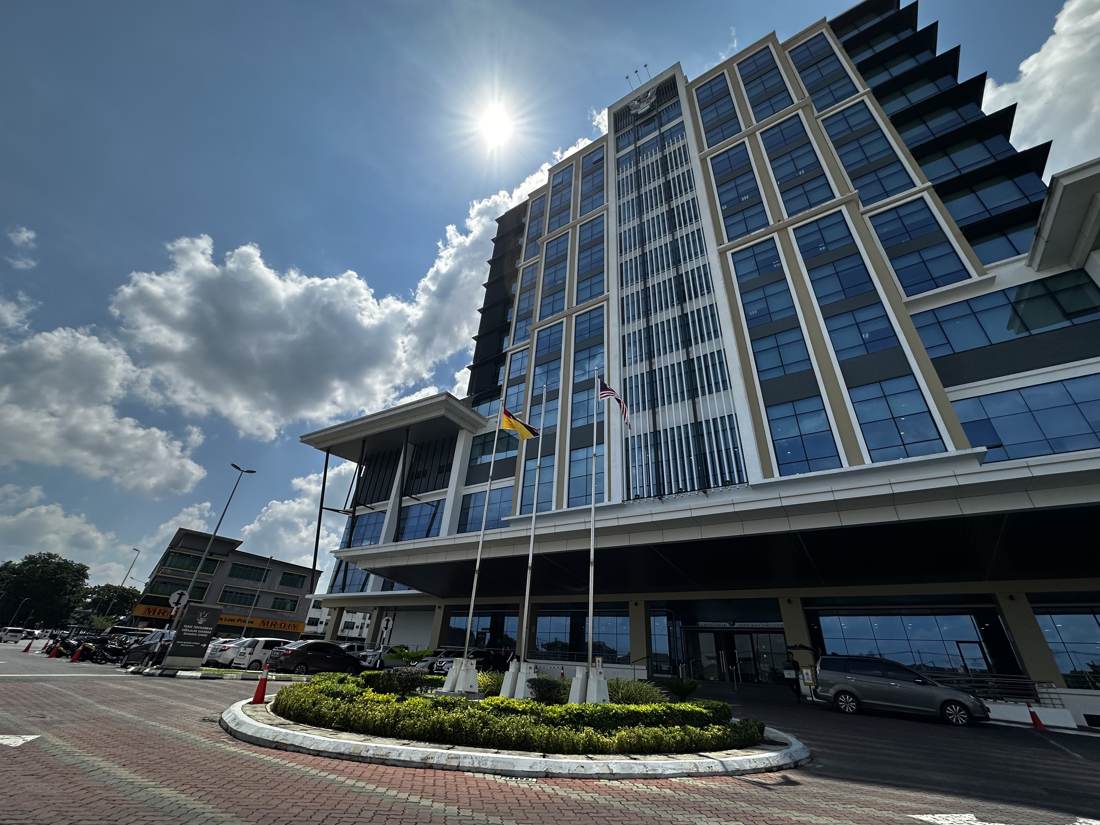
Bangunan Sultan Abdul SamadBangunan Sultan Abdul Samad
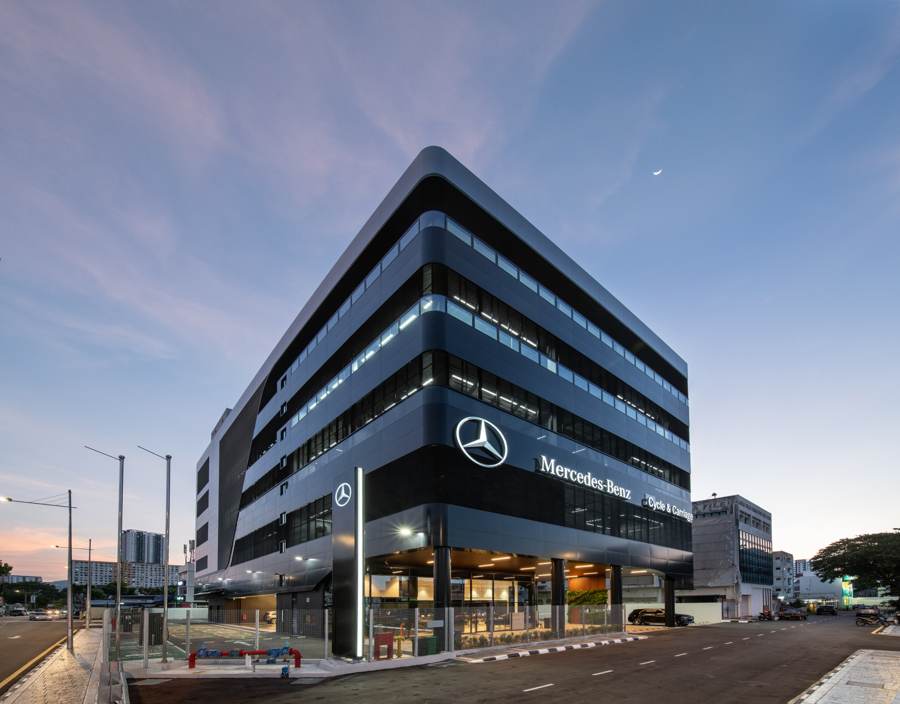
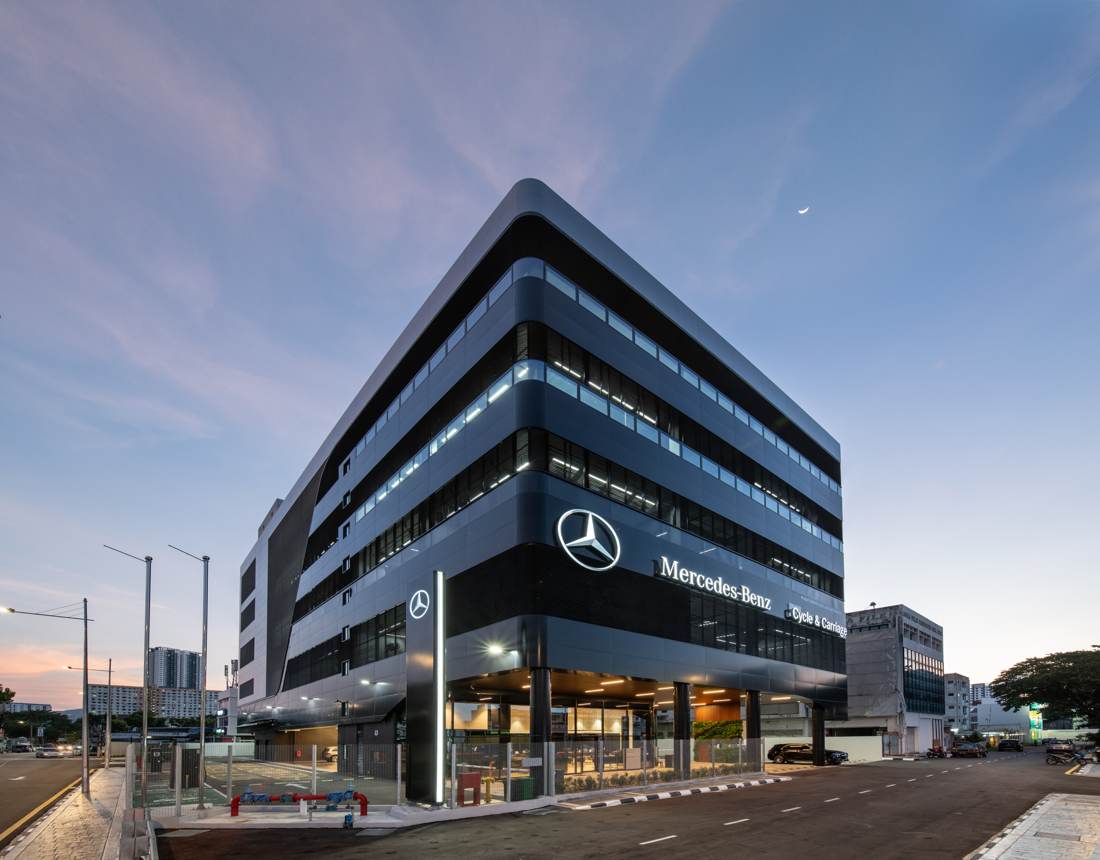
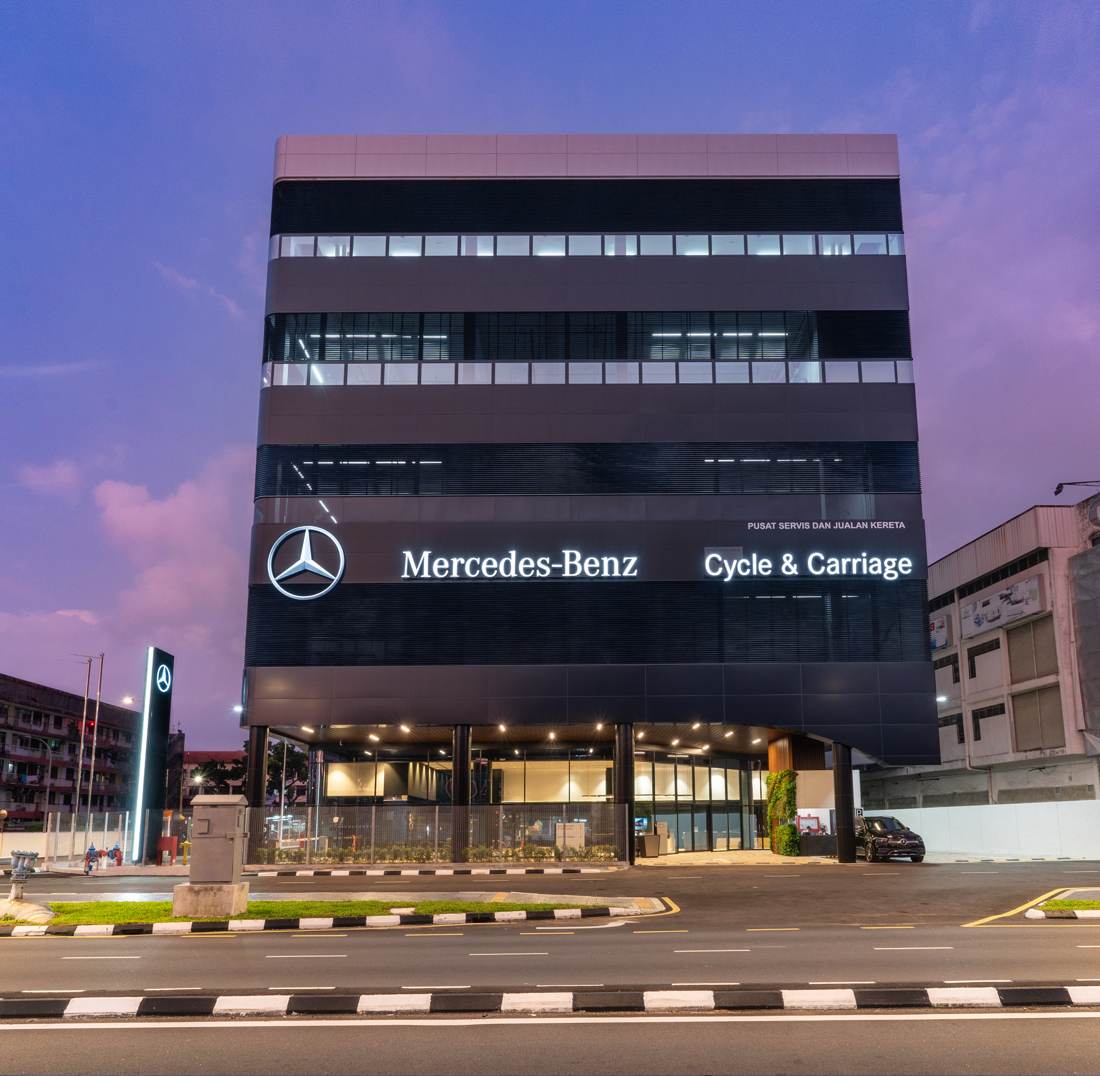
Cycle and Carriage Sungai PinangCycle & Carriage Sungai Pinang
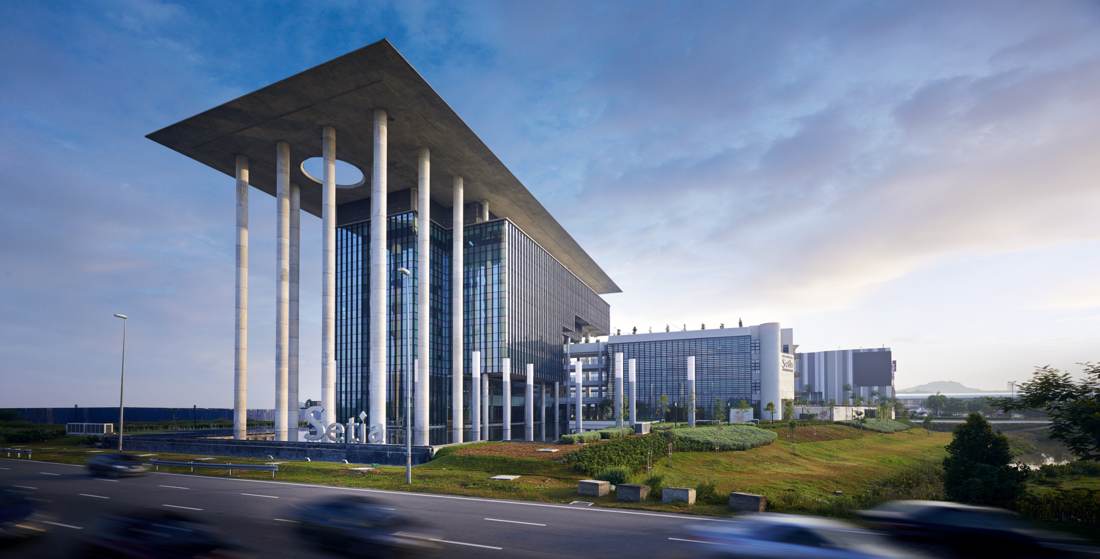
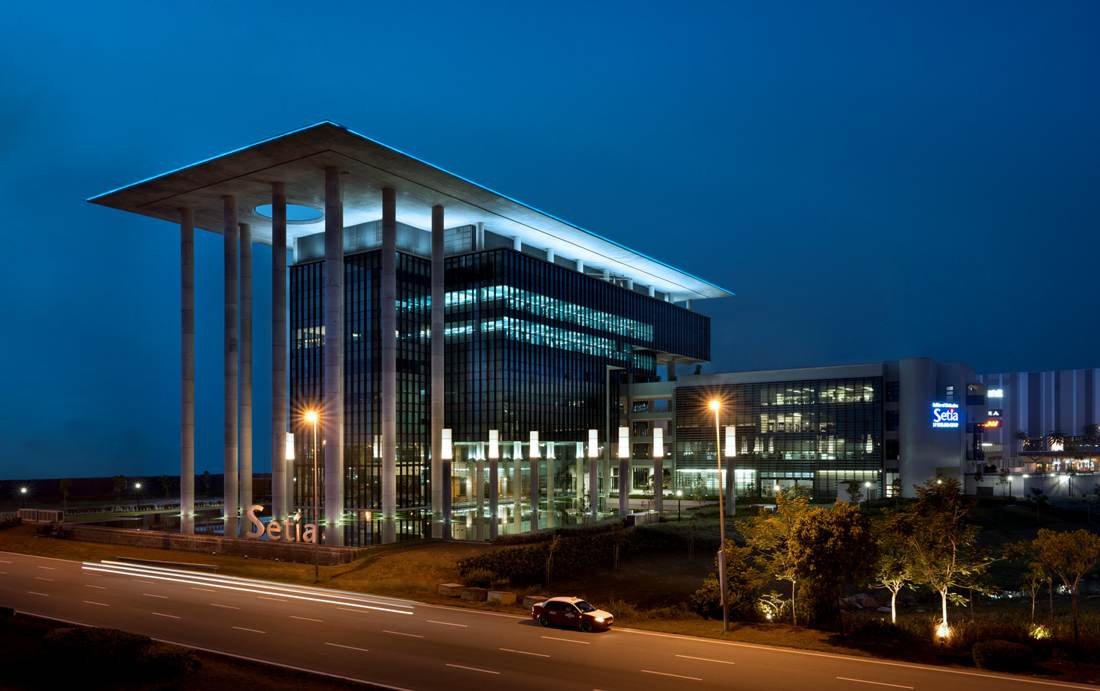
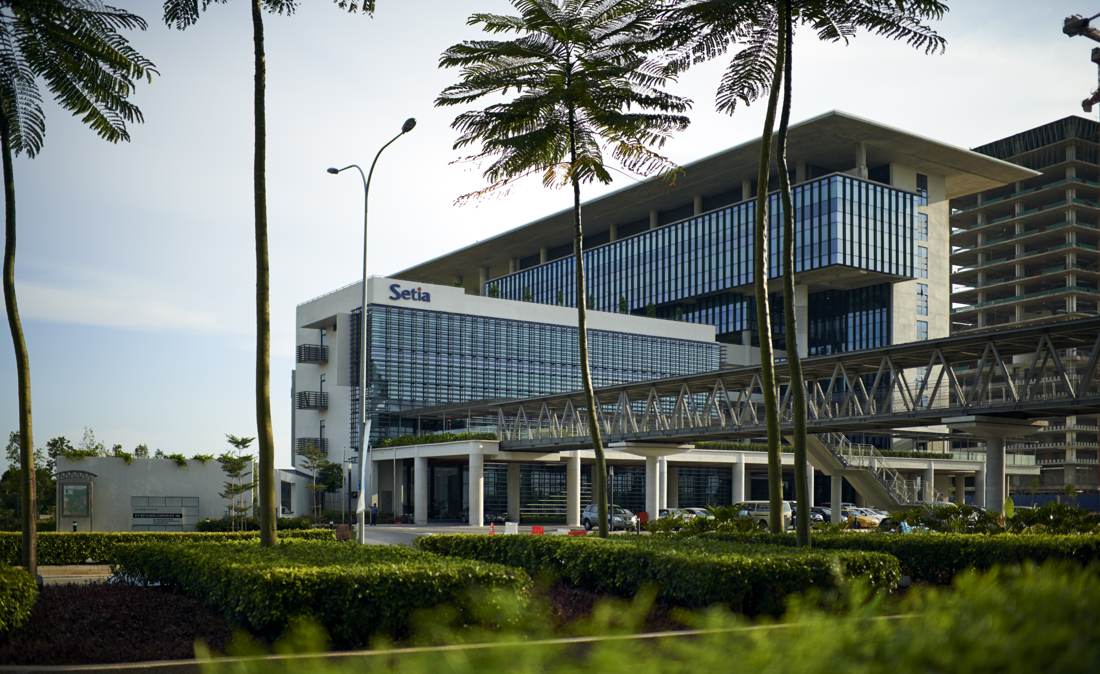
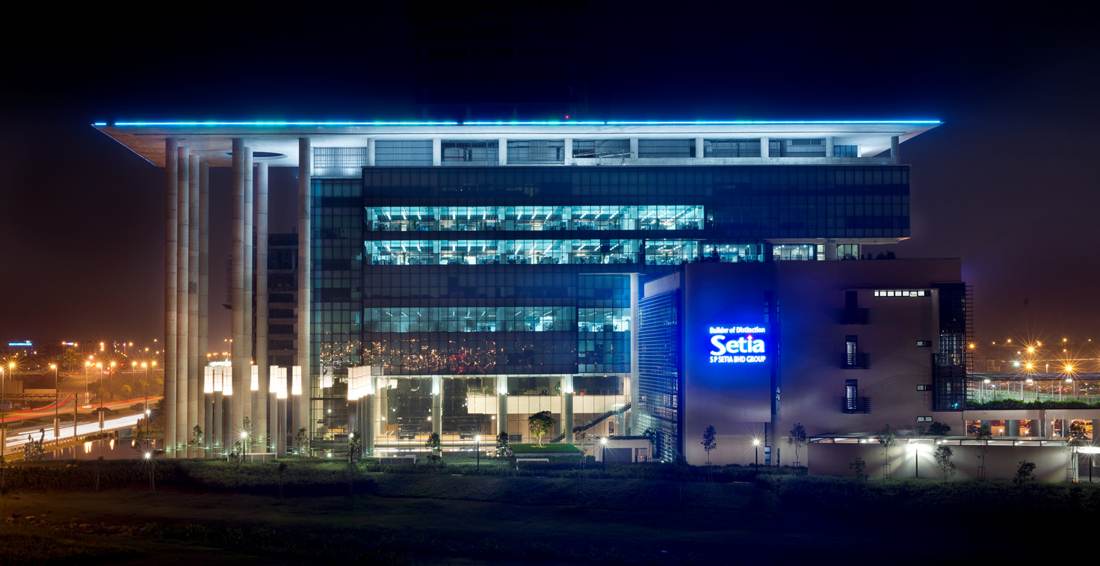
S P Setia Berhad Corporate HQ
S P Setia Corporate HQ · Setia Alam
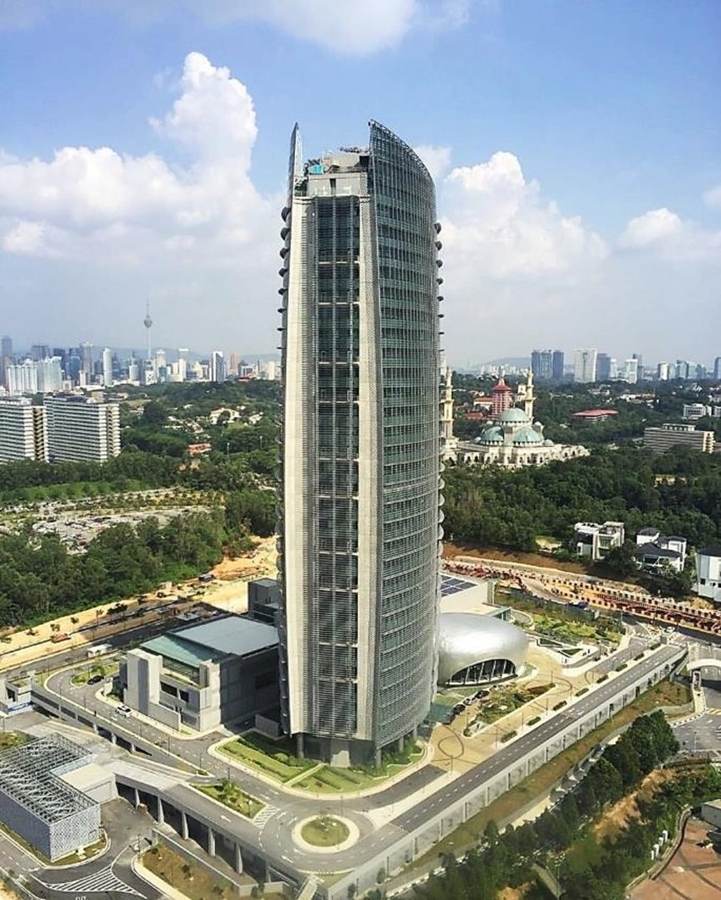
Menara MITIMenara MITI
GREEN BEATS
Issue 2026-03 July to September 2026 The e-Newsletter of the Green Building Index

In This Issue

  • A message from the Chairman of GBI
  • NRNC Version 2.0 launched at a sold-out Datum GBI
  • Inside the new tool, with Ir. Au Chong Hun
  • The Deputy Minister's launch address, in full
  • GBI Townhall 2026 and the GBIF appreciation awards
  • Four featured projects, from Sarikei to Sungai Pinang
  • GBI statistics as of June 2026 and new certifications
Green Beats · Issue 2026-03

Editorial
Team

Editor-in-Chief

Ar. Sarly Adre Sarkum
GBI Chief Executive Officer

Co-Editors

Nurdiana Mohd Nor
Co-Technical Editor · GBI Senior Manager

Wan Nurul Ain Wan Sazali
Co-Content Editor · GBI Senior Executive

Nur Aina Sofea Rasid
Co-Content Editor · GBI Executive

Editorial Advisors

Ar. Dexter Koh Yew Peng
Chairman, GBI Board of Directors

Ir. Anuar Moh Aris
Co-Chairman, GBI Board of Directors

Ar. Dr. Tan Loke Mun
GBI Board of Directors

Ir. Chong Chew Fan
GBI Board of Directors

Ar. Axxu Hoi Jung Wai
GBI Board of Directors

Ar. Chan Seong Aun
Chairman, GBI Accreditation Panel

Ir. Dr Jayaseelan Nadarajah
Co-Chairman, GBI Accreditation Panel

Ir. Benny Song Perng Yeu
GBI Accreditation Panel

Ir. Danny Foo Kam Fai
GBI Accreditation Panel

Ir. Khamsah binti Rais
GBI Accreditation Panel

Sr Kwan Hock Hai
GBI Accreditation Panel

LAr. Liew Ying Yie
GBI Accreditation Panel

Ar. Idr. Chris Yap Seng Chye
GBI Accreditation Panel

YBhg. Datin Tpr. Mazrina Abdul Khalid
GBI Accreditation Panel

Ar. Boon Che Wee
GBI Accreditation Panel

Ar. David Ong Yaw Hian
GBI Accreditation Panel

YBhg. Datuk Ar. Yew Tung Seang
GBI Accreditation Panel

Ar. David Teoh Wui Leng
GBI Accreditation Panel

Editorial Office

Greenbuildingindex Sdn Bhd (845666-V)
Level 4, PAM Centre,
99L, Jalan Tandok, Bangsar,
59100 Kuala Lumpur, MALAYSIA

T : 03-2283 2566
F : 03-2284 2566
E : info@greenbuildingindex.org
W : www.greenbuildingindex.org

GBI

The GBI Secretariat

Ar. Sarly Adre Sarkum · Chief Executive Officer
Nurdiana Mohd Nor · Senior Manager
Anis Adibah Abdul Azizul Khairi · Assistant Manager, Technical & Assessment
Fazrina Rosli · Senior Executive, Technical & Assessment
Amirah Athirah Mohd Akhir · Senior Executive, Technical & Assessment
Nur Aina Sofea Rasid · Executive, Education, Training & Tool Development
Wan Nurul Ain Wan Sazali · Senior Executive, Strategic Marketing, Communications & Industry Engagement
Jessey Lau · Senior Executive, Finance, Administration & Human Resource
Ahmad Aiman Wafiq bin Zainan · Junior Operation Executive

Disclaimer

The content of these pages serves as information and is based on information available accordingly and may not remain current. No mention of any organisation, company or individual, whether on these pages or to which these pages are linked, shall imply any warranty as to its standing or capability on the part of GBI. GBI is not responsible for any consequences arising out of the use of or reliance on this information, and does not accept any liability for any loss or damages incurred. In particular, nothing here constitutes specific legal or business advice nor should it be taken as such. This document has been produced without formal editing. Designations employed and presentation of material do not imply the expression of any opinion whatsoever on the part of the Secretariat of the Green Building Index concerning the legal status of any country, territory, city or area or of its authorities.

02
July to September 2026

Contents

01 Foreword
A message from Ar. Dexter Koh Yew Peng, Chairman of the GBI Board
04
02 Editor's Note
The beat goes on: Ar. Sarly Adre Sarkum on the relaunch
06
03 Lead Story
A sold-out Datum GBI 2026 launches NRNC Version 2.0
07
04 Inside NRNC Version 2.0
By Ir. Au Chong Hun, Head of GBI NRNC Tool Development
09
05 The Launch Address
The Deputy Minister of NRES's speech, in full
12
06 Event Highlights
Kuching, heritage firsts, Penang and the world stage
14
07 Training Highlights
GBIFC #58 goes hybrid, plus seminars and knowledge sharing
21
08 GBI Townhall 2026
The family meeting, and the GBIF appreciation awards
24
09 GBI Updates
The Data Centre tool launch and six new partnerships
26
10 Feature
Taming the giants: inside the GBI Data Centre Tool v2.0
29
11 Featured Projects
Sarikei, Setia HQ, Menara TNB Terengganu and Cycle & Carriage
32
12 Green Success Stories
Merdeka 118, the Twin Towers, and Gamuda Land's rare renewals
41
13 GBI Statistics
Executive summary of GBI certifications as of 30 June 2026
45
14 Newly Certified Projects
Twenty-four certifications, April to June 2026
49
15 New GBI Professionals
The 44 newly registered GBI Facilitators
52
16 Calendar & Contacts
Upcoming events and how to reach us
55
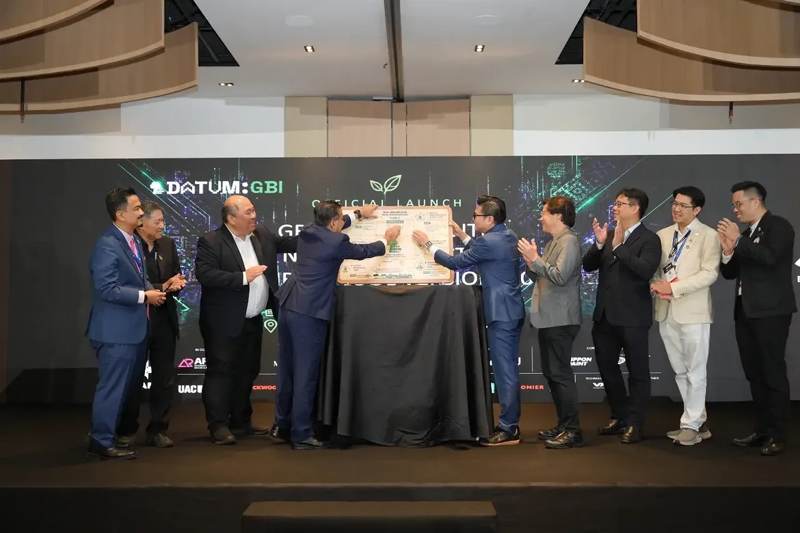
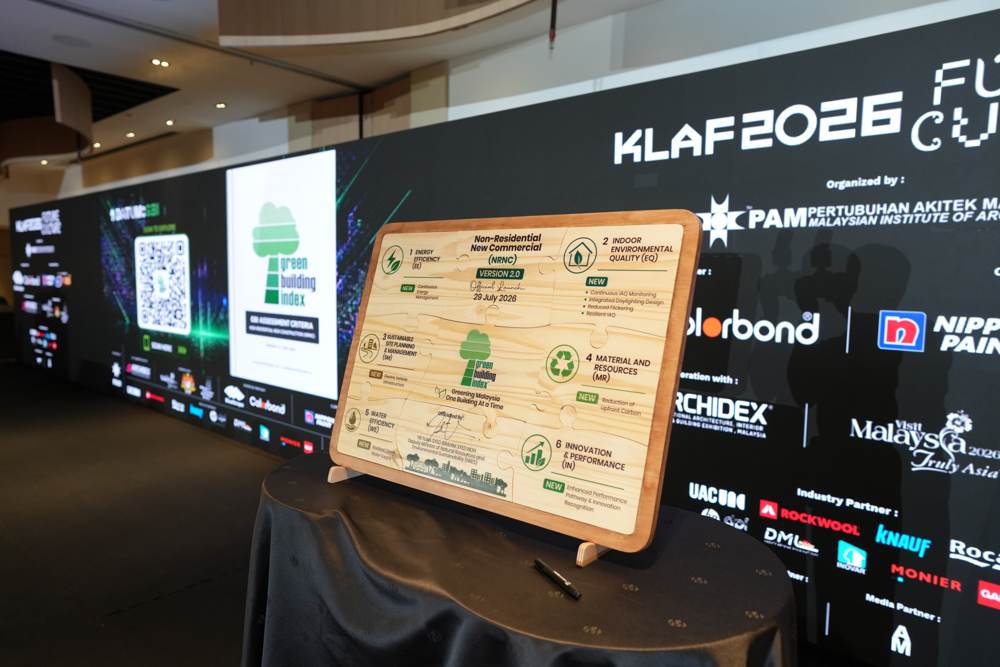
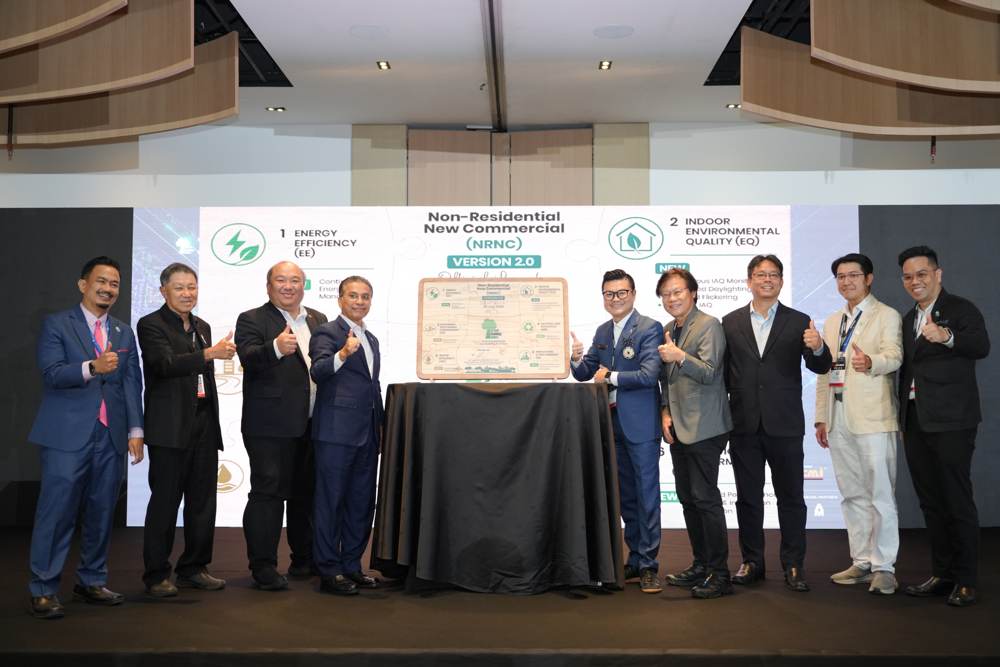
Completing the NRNC V2.0 launch puzzle at Datum GBI
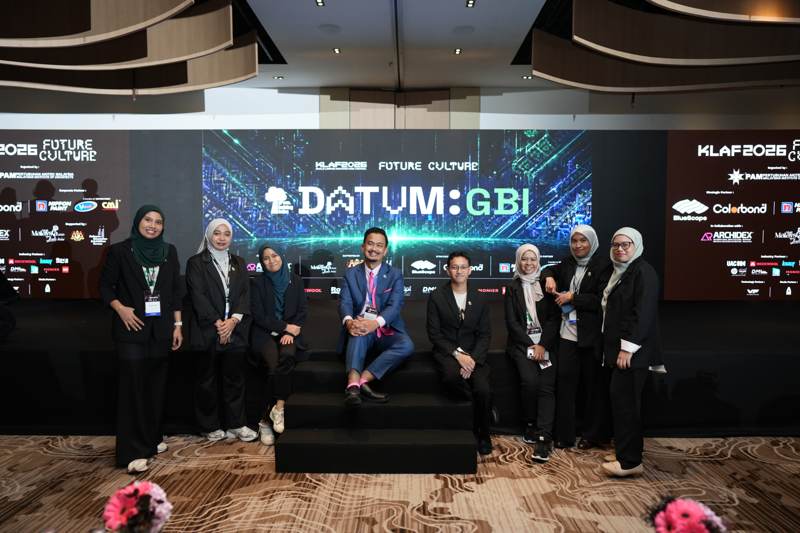
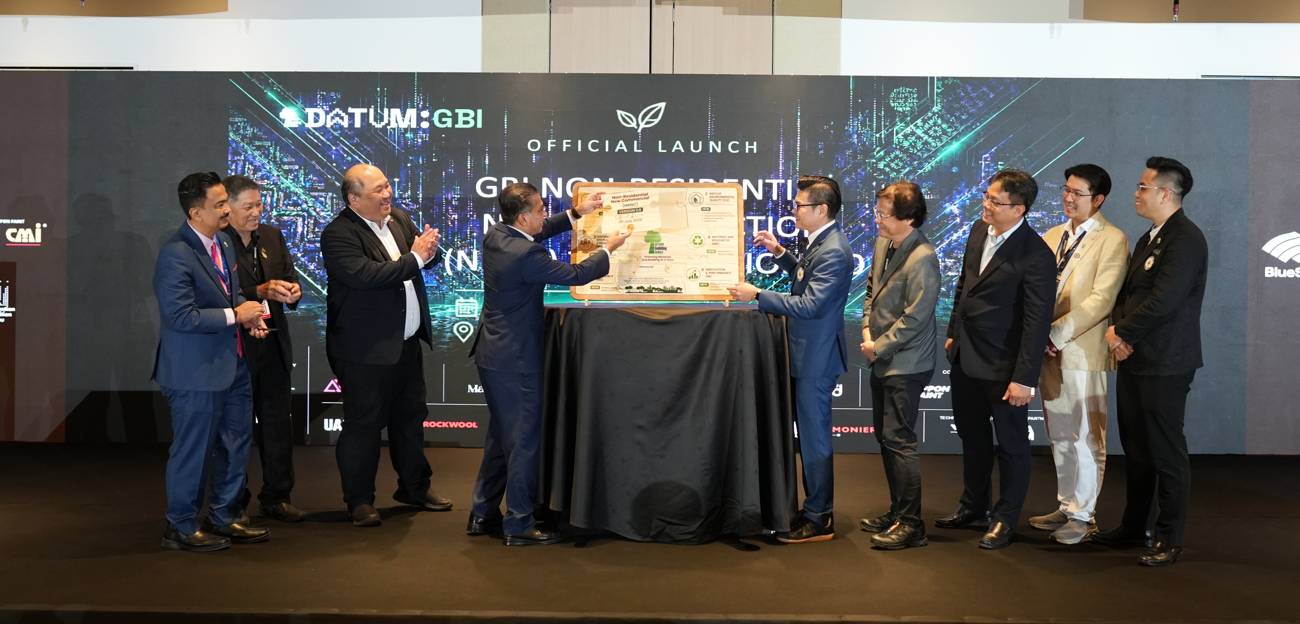
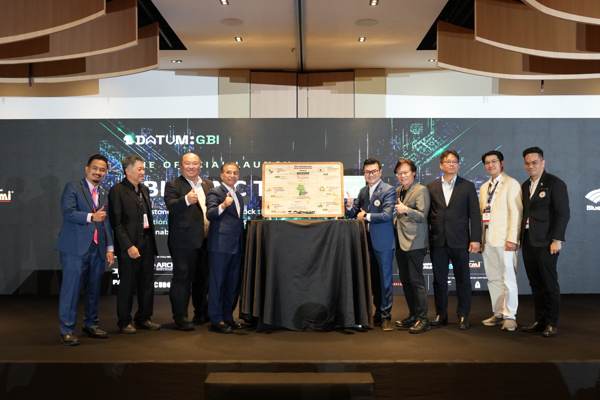
The GBI Secretariat on stage at Datum GBI 2026
03
Chairman
Ar. Dexter Koh Yew Peng

Chairman,
GBI Board of Directors

About GBI

The Green Building Index is Malaysia's first green rating tool for buildings and townships, a joint initiative of Pertubuhan Akitek Malaysia (PAM) and the Association of Consulting Engineers Malaysia (ACEM), established in 2009.

Follow GBI

linkedin.com/company/
greenbuildingindex-sdn-bhd

A Message from the Chairman

Dear readers,

It gives me great pleasure to welcome you back to Green Beats. This newsletter has been away for too long, and it returns at a moment when GBI has a great deal worth telling you about.

GBI is doing well. As of June 2026 we have certified 804 projects, covering 342.8 million square feet of gross floor area and avoiding an estimated 2 million tonnes of carbon dioxide emissions every year. Behind those numbers are the project teams, facilitators, certifiers and building owners who choose, project after project, to build responsibly. To all of you: thank you.

The past twelve months have been especially productive. Last year we launched Version 2 of our Data Centre tool, keeping GBI current in one of the fastest-moving sectors in the country. This year we followed it with the launch of NRNC Version 2.0 at Datum GBI 2026, the first comprehensive revision of our flagship tool since GBI began in 2009. You can read the full story of the launch on page 7.

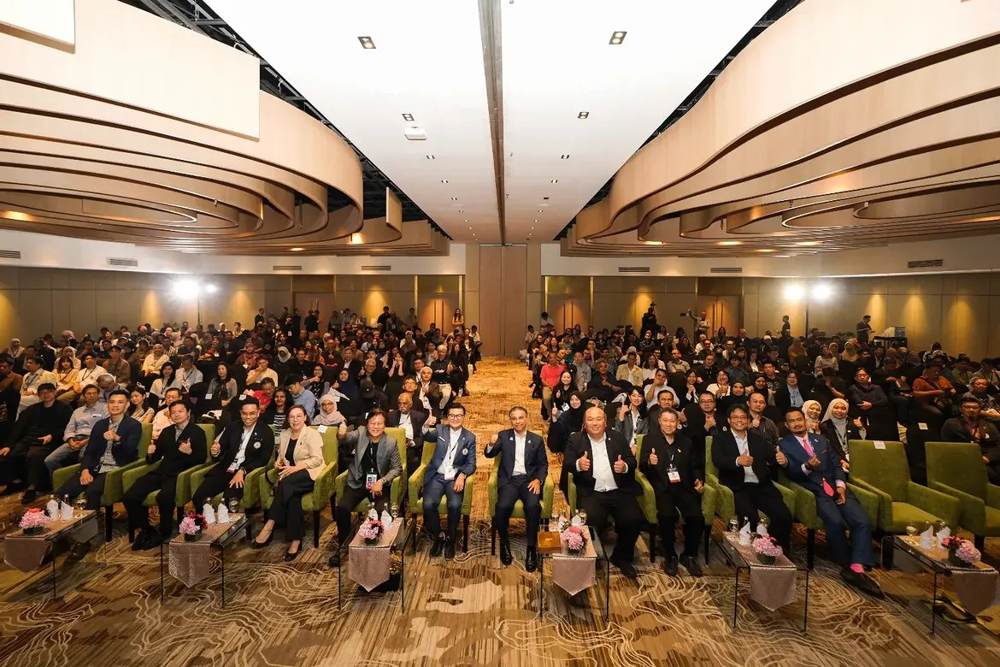
Datum GBI itself made a little history of its own. For the first time since the conference series began, the event was completely sold out, with about 480 practitioners, developers and policymakers in the hall at MITEC. I take that as a signal. The industry is no longer simply curious about green building. It is committed to it.

"For the first time in its history, Datum GBI was completely sold out. The industry is no longer simply curious. It is committed."

I want to dwell for a moment on why this work matters beyond our own registry, because GBI has quietly become part of the machinery of nation building. When the Government legislates through the Energy Efficiency and Conservation Act 2024, or charts the country's course through the National Energy Transition Roadmap, someone still has to carry those commitments into the drawing office, the site meeting and the boardroom. That someone, for the built environment, is very often a GBI tool in the hands of a facilitator.

The alignment is deliberate. NRNC Version 2.0 was written to work hand in hand with EECA's building energy intensity obligations and energy management requirements, and the NETR names energy efficiency as one of Malaysia's six energy transition levers for a simple reason: the cleanest kilowatt-hour is the one we never need to generate. Every certified building in our registry is that principle made concrete, steel and glass. When Malaysia reports progress on its climate commitments, 342.8 million square feet of measured, verified performance is part of the evidence.

Continues on next page
04

None of this happened by accident. Our tools stay relevant because we keep rewriting them with the industry, not for it. NRNC Version 2.0 went through soft launch, town hall feedback, working group reviews and stakeholder validation before it reached the stage at Datum. That is slow, careful work, and it is the reason a GBI certificate means something on site and in the market.

Behind that care stand our two founding institutions. I want to say plainly how seriously Pertubuhan Akitek Malaysia and the Association of Consulting Engineers Malaysia treat the adoption of sustainability. For PAM and ACEM this is not a side programme or a theme for one conference season. It is a professional duty, written into how architects and engineers are trained, how practices are run, and how the professions speak to government. GBI is the clearest expression of that seriousness: seventeen years of volunteer expertise, given freely, to build and maintain a national standard.

That seriousness now connects directly to the language of business. Boards, banks and investors measure companies through the lens of ESG, and the built environment sits squarely inside the E. A GBI certificate is one of the few pieces of ESG evidence that cannot be produced in a slide deck. It is measured, verified by an independent panel, and renewed against actual performance. For developers and asset owners, certification has become the bridge between doing the right thing and being able to prove it, in annual reports, in financing conversations, and to tenants who now ask hard questions about the buildings they occupy.

We are not stopping there. Development of the GBI Utilities Tool is well underway in partnership with Pengurusan Aset Air Berhad, and we are working towards launching it by the end of this year. It will be the first tool of its kind in Malaysia, extending green assessment beyond buildings into the infrastructure that serves them. Work also continues on tools for warehouses, eco resorts and existing residential buildings.

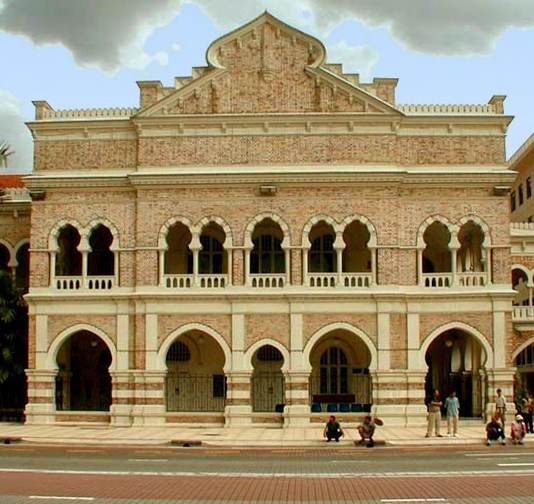
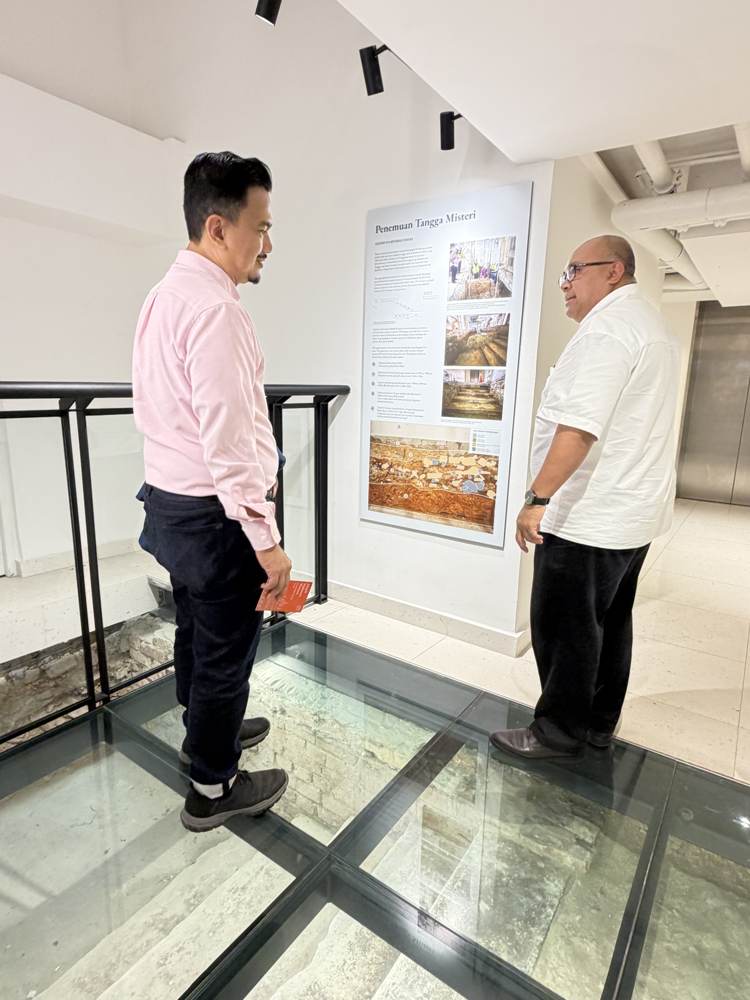
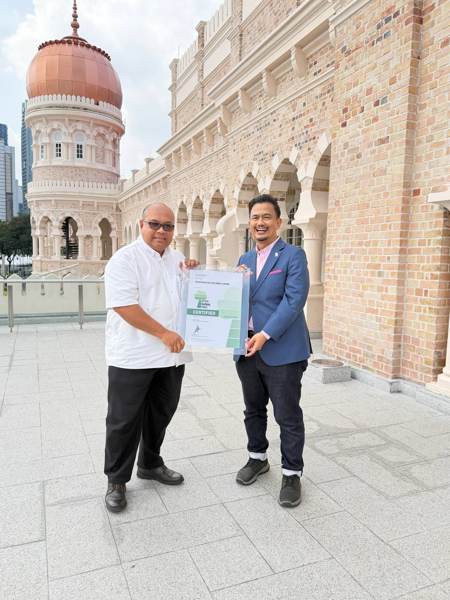
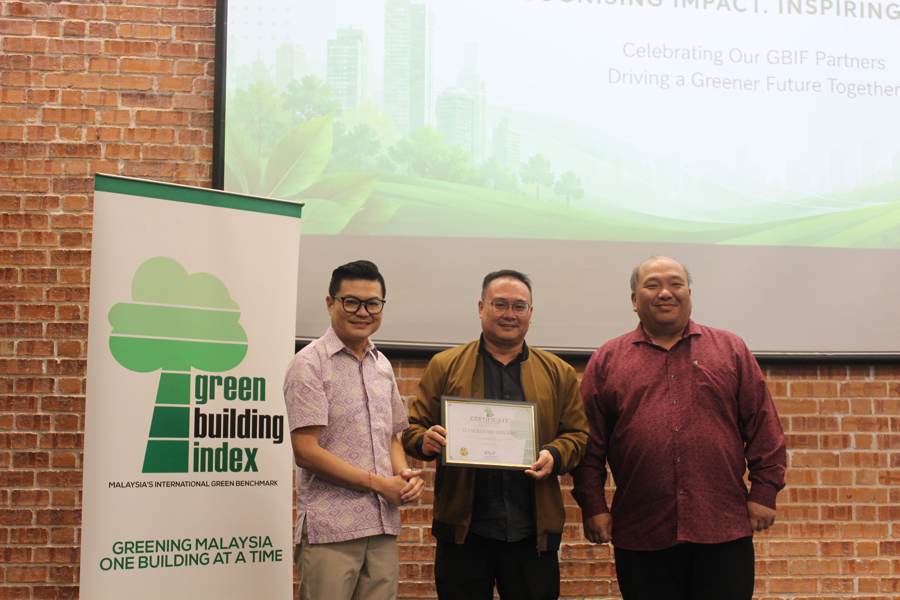
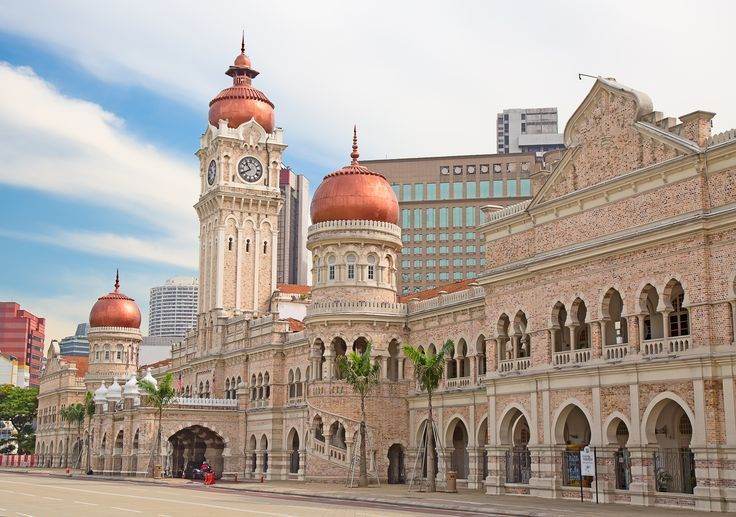
This quarter also brought a first I am particularly proud of: the first Design Assessment certifications under our NREB Heritage Tool in Kuala Lumpur, awarded to Bangunan Sultan Abdul Samad and the Pejabat Pos Besar Lama. The tool made its national debut in Penang; it has now certified the capital's most treasured landmark. Our old buildings can be conserved and made sustainable at the same time, and we have the certificates to prove it.

So yes, I am hopeful. Hopeful about where the industry is heading, hopeful about the team at GBI, and hopeful that this newsletter finds its place again in your reading, quarter after quarter. If you want more frequent updates between issues, do follow us on LinkedIn.

On behalf of the GBI Board of Directors, thank you to our members, our Accreditation Panel, our Technical Committees and everyone who keeps this movement going. Enjoy the issue. GB

Ar. Dexter Koh Yew Peng
Chairman, GBI Board of Directors

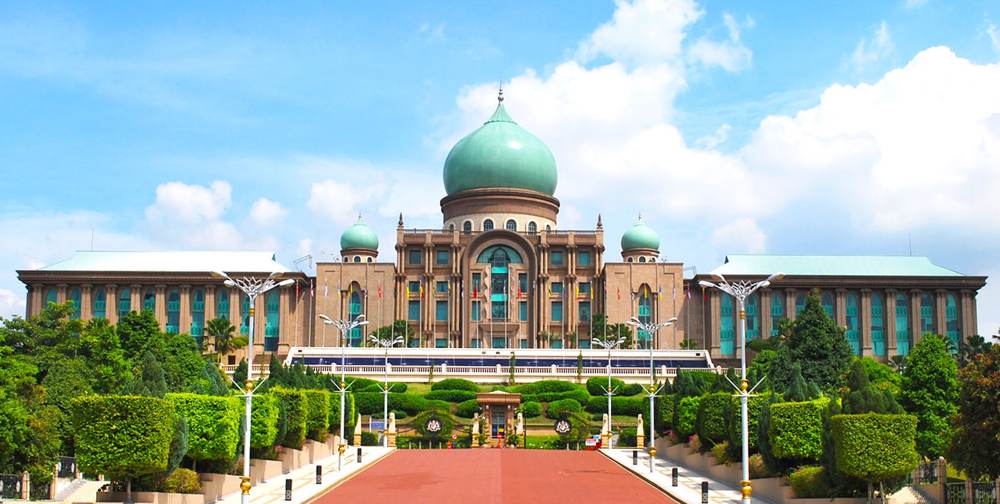
Bangunan Sultan Abdul SamadBangunan Sultan Abdul Samad, the first and largest heritage building certified in Kuala Lumpur, July 2026
Pejabat Pos Besar LamaPejabat Pos Besar Lama, certified alongside its neighbour under the NREB Heritage Tool
05
From the Editor-in-Chief

The beat goes on

Ten years ago, Green Beats Issue No. 1 opened with a promise: to be a valuable tool to communicate with the communities we serve. Life, and a decade of certification work, got in the way. Today we keep that promise again.

Bringing this newsletter back has been a labour of love, and it was not mine alone. My deepest thanks go to the GBI staff, who somehow found the hours for this in between assessments, audits, courses and a sold-out Datum GBI. Thank you as well to our Board of Directors and our Accreditation Panel, whose support and counsel made the relaunch possible. This publication belongs to all of you.

I also want to honour the man who started it. Ar. Lee Chor Wah, editor of our first issue, is one of the key founders of GBI and a mentor to me personally. His conviction that a rating tool should also teach, publish and provoke conversation shaped this organisation. Continuing his editorial legacy is a privilege, and I feel the weight of it in the best way.

What you are holding is a bigger, more ambitious Green Beats than the one that went quiet a decade ago. Inside this issue you will find the full story of NRNC Version 2.0, told twice over: once as news, and once in depth by Ir. Au Chong Hun, who led its development. You will find the Deputy Minister's launch address printed in full, because words spoken at a podium deserve a longer life than one afternoon. And you will find the quarter's events, our latest statistics, the projects newly certified, and the people newly qualified to guide them.

A newsletter does something a certificate cannot. It keeps the record. Ten years from now, someone will want to know what this industry believed in 2026, what it celebrated, what it struggled with, and who did the work. These pages are that memory. That is why we intend to publish every quarter from now on, and why we want your voice in it: send us your articles, your projects and your arguments, and we will find them a page.

There is so much ahead of us. New tools in the pipeline, new sectors to reach, a new generation of facilitators coming through the courses, and stories from every corner of this industry that deserve telling. Green Beats will be where we tell them, every quarter, without another decade of silence in between.

Till we meet in the next issue. GB

Ar. Sarly Adre Sarkum
Editor-in-Chief · GBI Chief Executive Officer

Ar. Sarly Adre Sarkum
06
03 · Lead Story of the Quarter

Sold-out Datum GBI 2026
launches NRNC Version 2.0

Kuala Lumpur. Seventeen years after the tool first defined what a green building means in Malaysia, GBI has launched the Non-Residential New Construction Tool Version 2.0, and it chose quite a stage to do it: a Datum GBI that sold out for the first time in the history of the conference series.

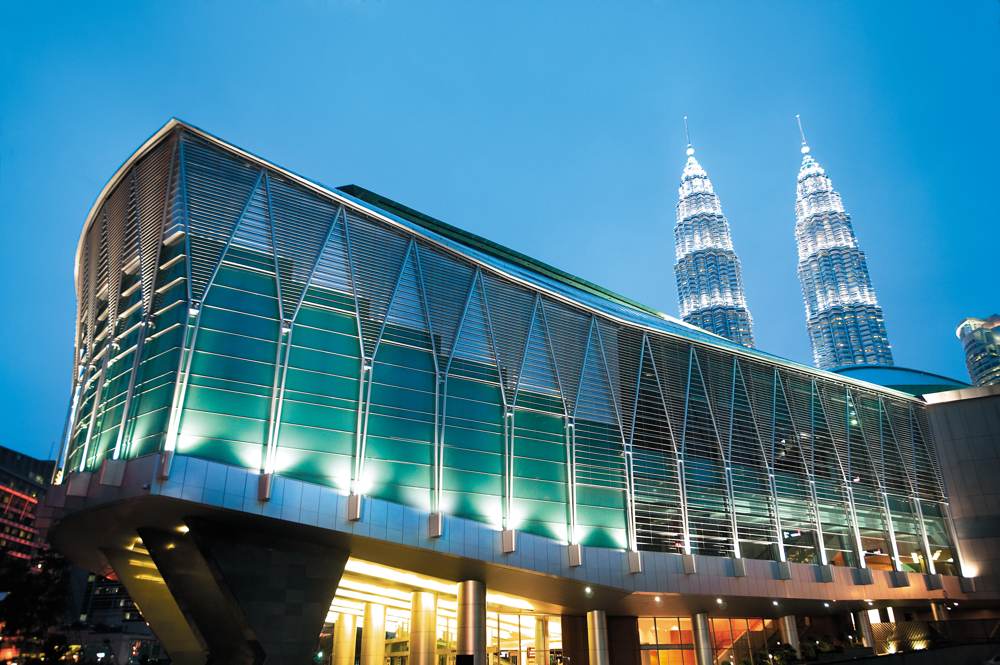
Around 480 practitioners, developers, academics and policymakers filled the hall at the Malaysia International Trade and Exhibition Centre for the launch, officiated by YB Tuan Syed Ibrahim bin Syed Noh, Deputy Minister of Natural Resources and Environmental Sustainability. It was the first comprehensive revision of GBI's flagship rating tool since the organisation's inception in 2009.

Version 2.0 moves the goalposts in an important way. Where earlier versions rewarded good design intentions, the new tool asks buildings to prove themselves in operation. It introduces continuous indoor air quality monitoring, sustained energy management requirements, and criteria for resiliency, embodied carbon and renewable energy, aligned with the Energy Efficiency and Conservation Act 2024.

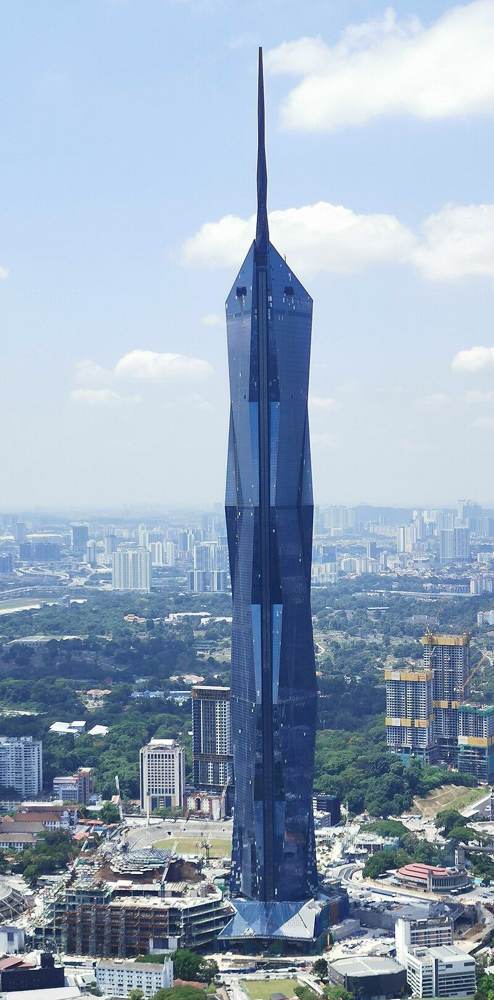
The revision was not written in a back room. It went through a soft launch at the GBI Town Hall, months of working group reviews, and round after round of stakeholder feedback on scoring, point allocation and usability. Discussions are now underway on adopting KL118, one of the tallest buildings in the world, as a pilot project for the new tool.

342.8
MILLION SQ FT
CERTIFIED GREEN BUILDINGS
SINCE 2009 · AS OF JUNE 2026

The Launch in Brief

  • Datum GBI 2026, MITEC, 29 July 2026
  • Fully subscribed, about 480 attendees, a first for the series
  • Officiated by YB Tuan Syed Ibrahim bin Syed Noh, Deputy Minister of NRES
  • First full revision of the NRNC tool since 2009
  • KL118 under discussion as pilot project
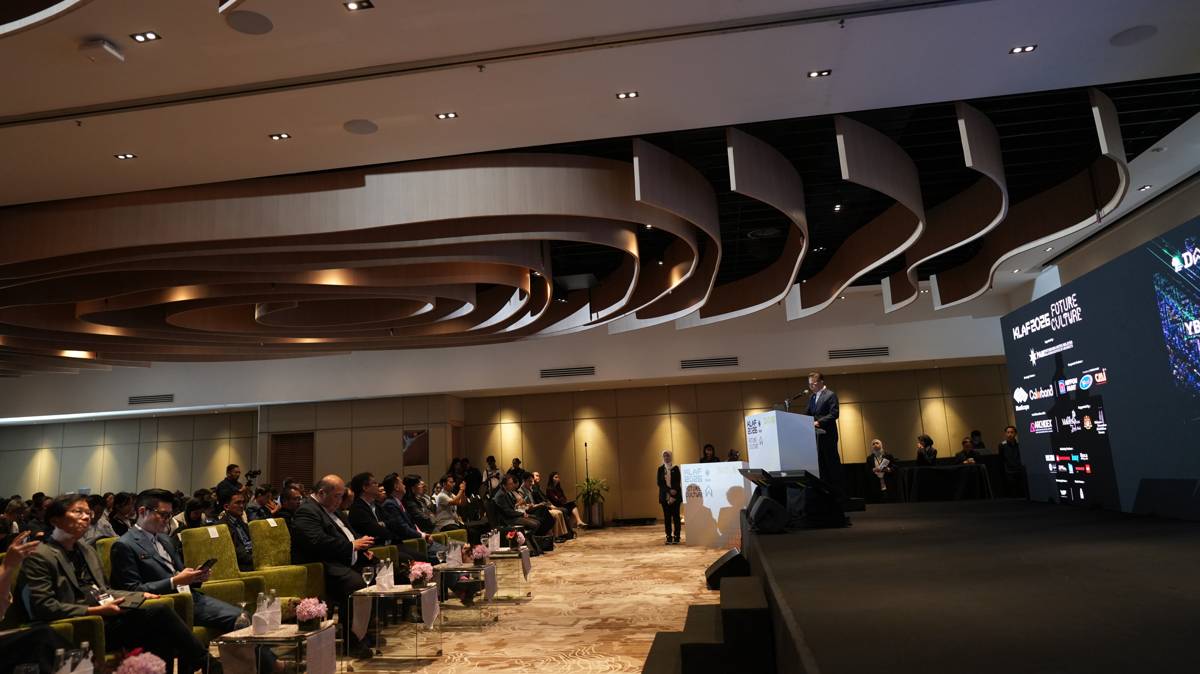
The sold-out hall at Datum GBI 2026 About 480 practitioners, developers and policymakers filled the hall at MITEC, a first for the conference series
Continues on next page
07
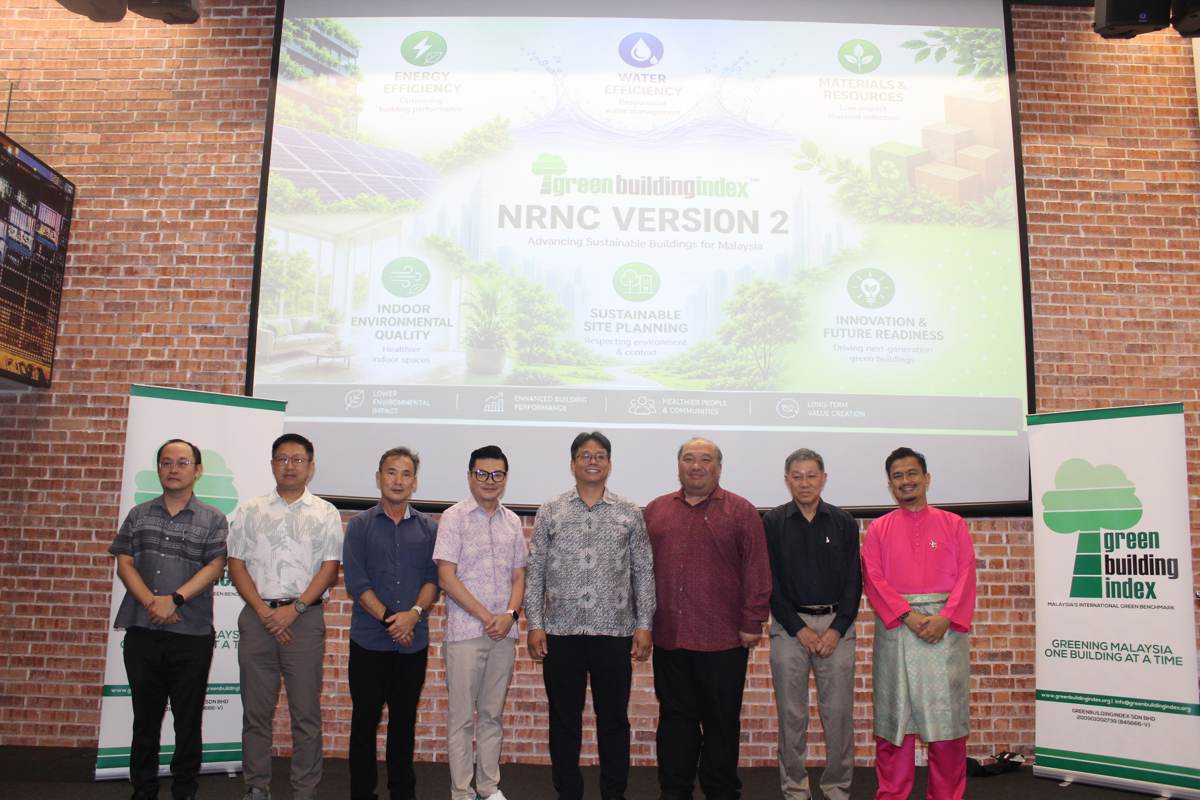
The NRNC V2.0 launch gimmickThe launch gimmick on stage
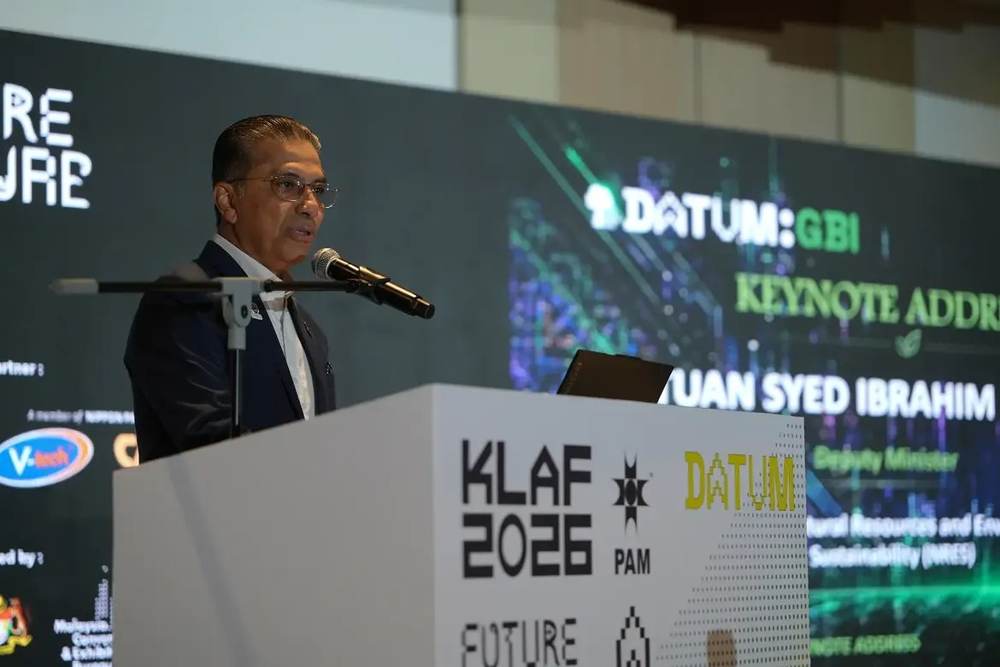
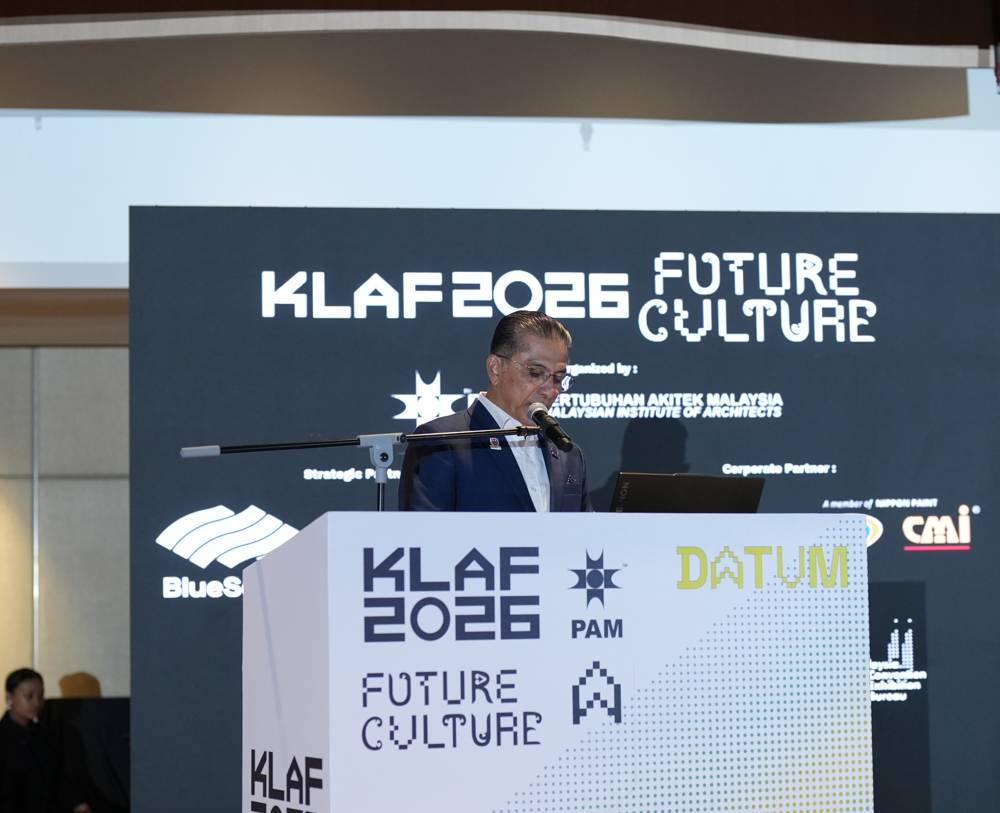
The Deputy Minister on stageThe Deputy Minister delivers the launch address

For building owners, the practical difference is simple to state. A certificate under Version 2.0 will say not only that a building was designed green, but that it runs green. Continuous monitoring of indoor air quality, with CO2, PM2.5, temperature and humidity sensors, becomes part of the assessment. So does an energy management regime that carries on long after the construction crews have left the site.

The tool also speaks the language of today's regulatory environment. Its criteria are aligned with the two-star EECA rating requirement, and it brings embodied carbon, renewable energy and resiliency into the scoring alongside the six classic GBI criteria.

"The launch marks a shift in how Malaysia measures green buildings: from design intention to proven performance in operation."

The launch caps a busy period for GBI's tool development programme. Version 2 of the Data Centre tool arrived last year, developed as data centre investment surged nationwide. The Utilities Tool, a first-of-its-kind collaboration with Pengurusan Aset Air Berhad, is targeted for launch by the end of 2026. Tools for warehouses, eco resorts and existing residential buildings are moving through development behind it.

Eighteen tools on, the fundamentals have not changed: frameworks written by industry volunteers, for the Malaysian tropical climate, under Malaysian codes of practice. What has changed is the scale of what they measure, and with NRNC Version 2.0, how honestly they measure it. GB

GBI at a Glance, as of 30 June 2026
IndicatorValueNotes
Certified projects804Across all seven active rating categories
Applications to date1,4361,351 registered and in progress
Certified gross floor area31.9 mil m²342.8 million sq ft
CO₂ emission reduction2,019 ktCO₂e/yrFrom electricity energy reduction alone
The official unveiling of GBI NRNC Version 2.0The official unveiling of NRNC Version 2.0
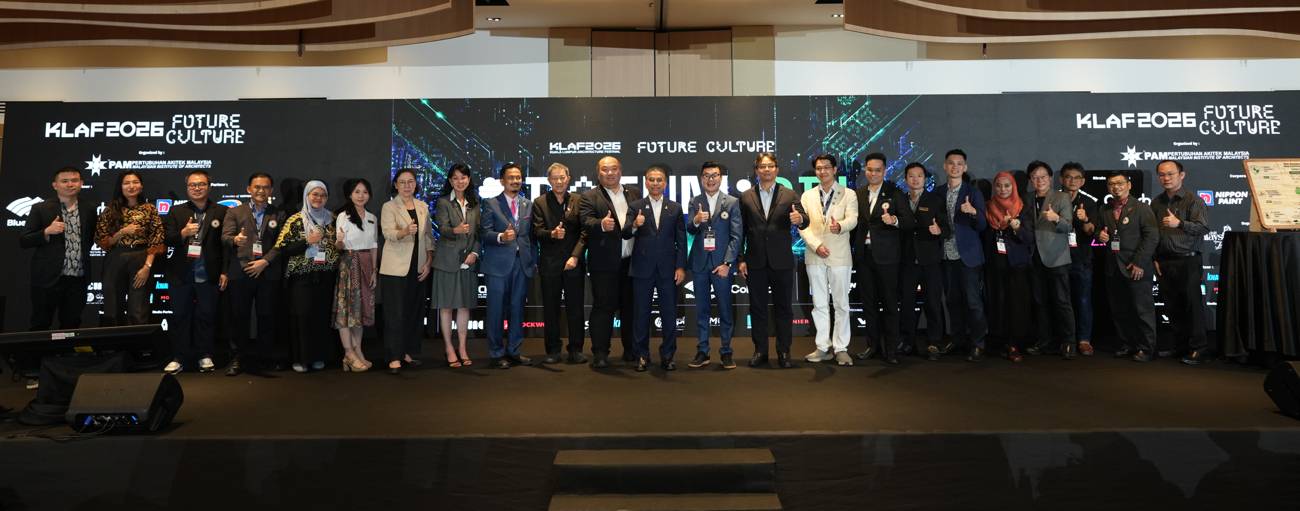
The Datum GBI 2026 group photoGuests and partners on stage
08
NRNC V2.0
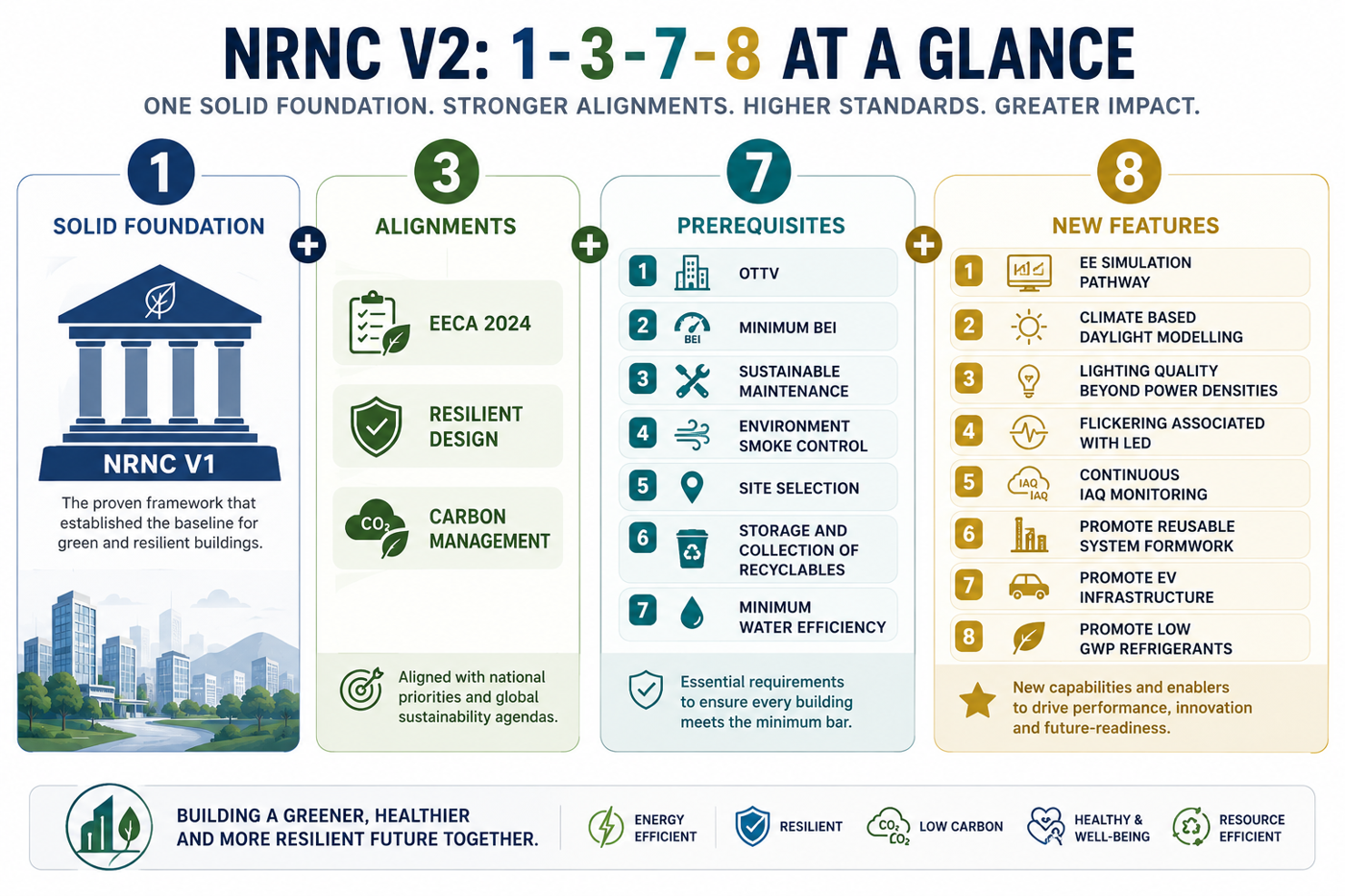
One foundation, three alignments, seven prerequisites, eight new features

by Ir. Au Chong Hun

Head of GBI NRNC Tool Development, Green Building Index

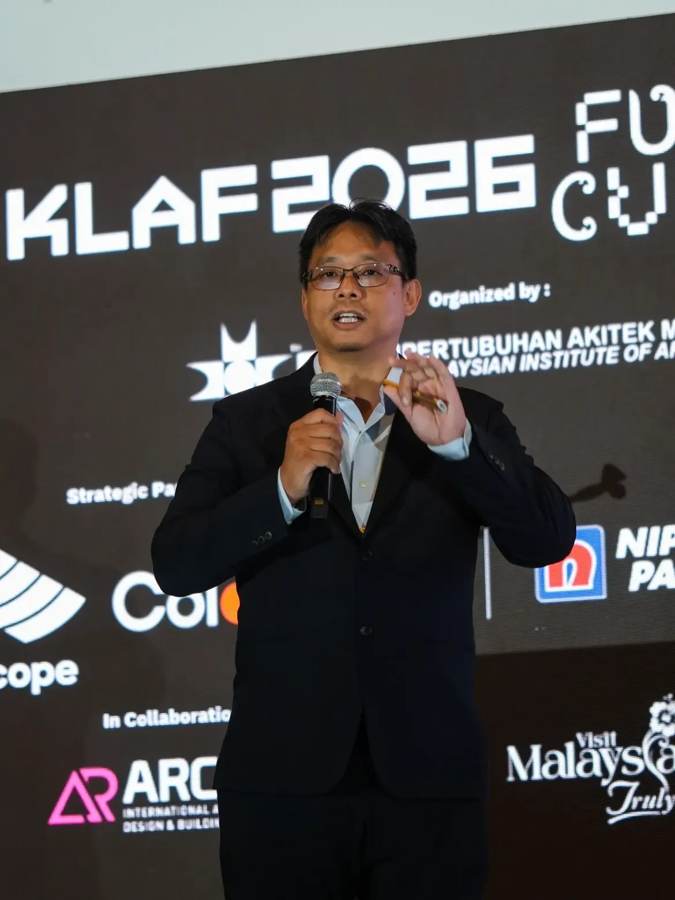
Ir. Au Chong Hun on stage at Datum GBI Ir. Au Chong Hun presenting the overview of NRNC V2 on stage
Version 1 in Numbers, 2009 to 2026

402 projects certified under NRNC V1, totalling 12.6 million m² of floor area:

DA: 237 projects (6.34 million m²)
CVA: 117 projects (4.15 million m²)
RVA: 48 projects (2.13 million m²)

Feedback

Comments on the new tool are welcome:
linkedin.com/in/au-chong-hun

Seventeen years is a long life for a rating tool. Here is what we changed, and why.

NRNC Version 1 was launched in 2009, written by local professionals for local needs, and it stood the test of time remarkably well. But the world it was written for no longer exists. Energy law has changed, the climate conversation has moved from efficiency to carbon, and a pandemic taught everyone what a resilient building actually means.

When the working group sat down to draft Version 2.0, we gave ourselves a simple frame: keep the one solid foundation that made V1 work, and build what matters on top of it. The result can be summed up in four numbers: one foundation, three alignments, seven prerequisites, and eight new features.

The foundation is the performance-based approach V1 pioneered. A GBI rating has never been a checklist of gadgets; it scores what a building actually achieves. That philosophy stays. Everything else got harder, broader, or smarter.

The revision did not happen overnight. Working groups were formed, tools from around the region were benchmarked in a comparison study, and draft after draft went through stakeholder review, including the soft launch at the GBI Town Hall earlier this year. What was launched at Datum GBI 2026 is the product of that long conversation with the industry that will use it.

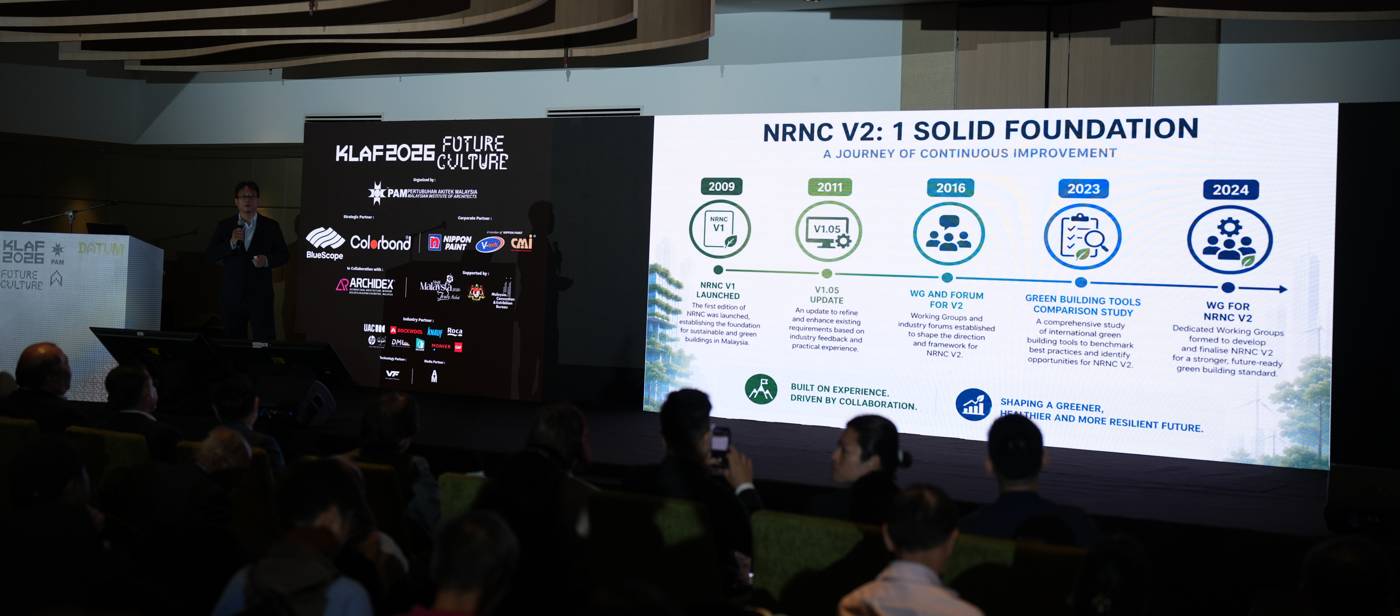
The NRNC V2 one solid foundation timeline on screen at Datum GBI A journey of continuous improvement: NRNC V1 in 2009 to the working groups of 2024
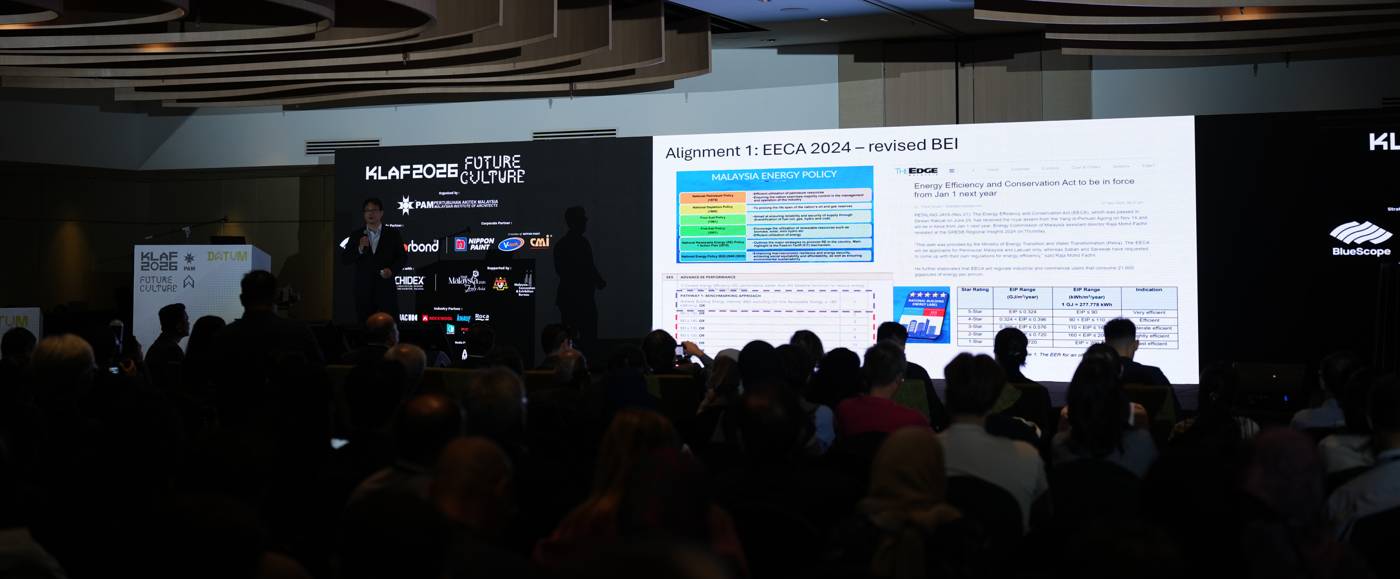
The EECA 2024 revised BEI slide on screen at Datum GBI Presenting the first alignment: EECA 2024 and the revised Building Energy Intensity benchmarks
Continues on next page
09
Technical Feature · Continued

The three alignments

1 · EECA 2024

The Energy Efficiency and Conservation Act came into force on 1 January 2025, and Version 2.0 is written to work with it, not beside it. The Building Energy Intensity benchmarks have been broadened and aligned so that all future GBI rated buildings will meet or exceed the minimum two-star rating under EECA 2024. The tool also promotes an Energy Management System modelled on ISO 50001: an energy policy, clear organisational roles, and a cycle of continuous improvement, mirroring what EECA now expects of designated buildings.

2 · Resilient design

Resilience is the ability to prepare for, absorb, recover from and adapt to adverse events. We read of news that schools closed over influenza outbreaks and businesses shuttered over water supply disruptions. Version 2.0 responds with two new demands. Resilient Indoor Air Quality draws on ASHRAE Standard 241 for the control of infectious aerosols, requiring buildings to provide an infection risk management mode for their occupants. Resilient Clean Water Supply guarantees a minimum of three days of water storage, sized on a water-efficient building's actual daily consumption, so that essential operations can ride out a disruption.

3 · Carbon management

Version 2.0 speaks the language of the GHG Protocol. Operational carbon is addressed through the BEI credit and renewable energy adoption. Refrigerant emissions are tackled through a new low-GWP refrigerant credit. And for the first time, MR8 confronts upfront carbon: the emissions embedded in materials and construction, before a building consumes its first kilowatt-hour. Whose scope those emissions fall into depends on who is reporting, a manufacturer, a developer or a tenant, and the tool now gives project teams the framework to compute and reduce them.

The seven green building prerequisites

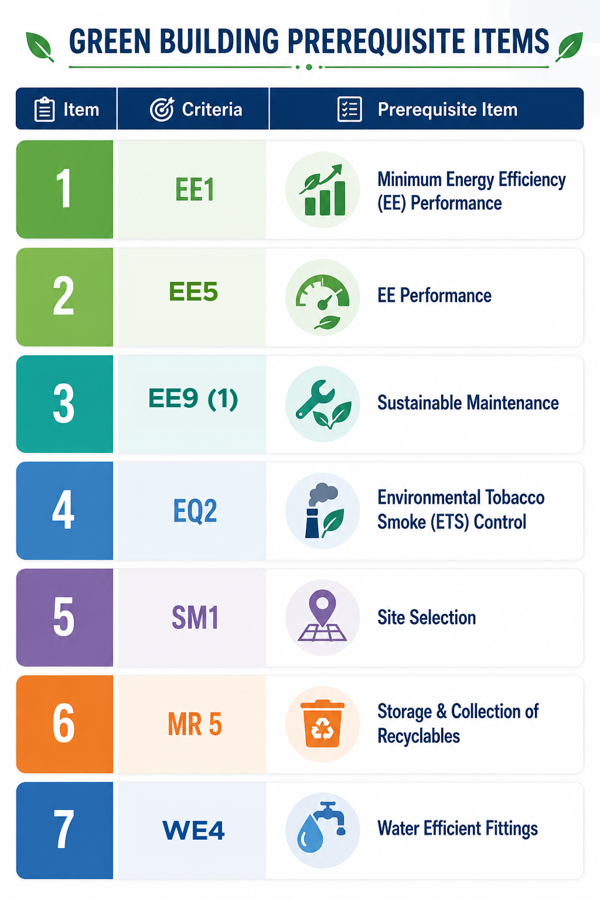
The seven prerequisite items, from minimum EE performance to water-efficient fittings

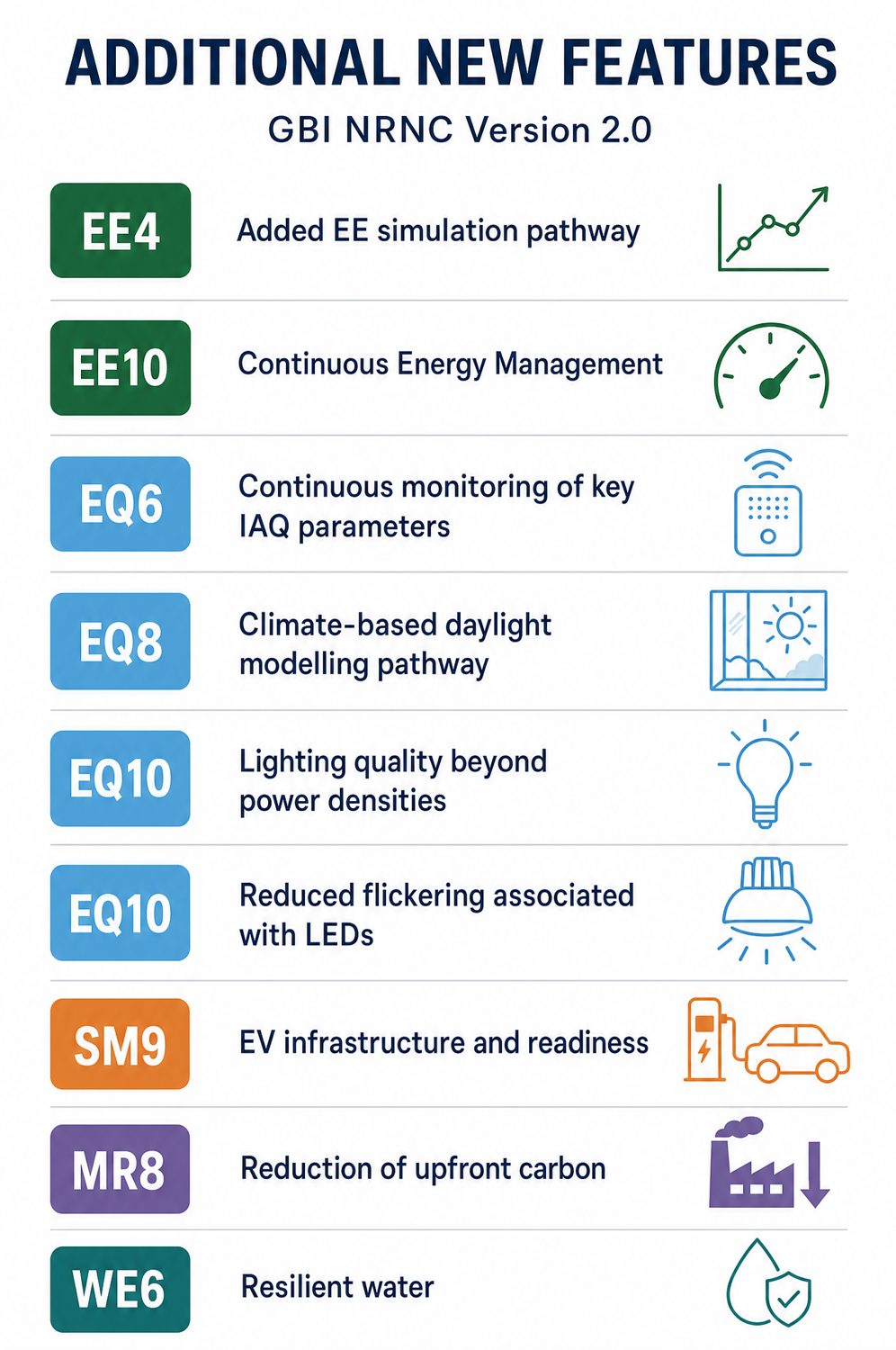
The new features of NRNC Version 2.0

The new features, from continuous energy management to resilient water

Continues on next page
10
Technical Feature · Continued

Seven prerequisites, eight new features

Version 1 had a single prerequisite. Version 2.0 has seven, and this is the change project teams will feel first. Before a project can qualify for any rating, it must now demonstrate minimum energy efficiency performance with a BEI of not more than 180 kWh per m² per year, sustainable maintenance facilities, environmental tobacco smoke control, responsible site selection, storage and collection of recyclables, and water-efficient fittings. The message is deliberate. A certificate should not celebrate a few visible green features on top of weak fundamentals; it should guarantee the fundamentals first.

The new features then push beyond the fundamentals. Lighting is now assessed for quality, not just power density: illuminance, glare rating, and reduced flicker in LED luminaires, because eye strain is a building performance issue too. Climate-based daylight modelling rewards designs that bring usable daylight deep into the floor plate. Electric vehicle infrastructure prepares car parks for the mobility transition, MR8 brings upfront carbon into the score, and WE6 asks buildings to hold enough water to ride out a supply disruption.

An interesting addition is the introduction of Continuous Indoor Air Quality Monitoring. A live dashboard integrated with the building automation system (BAS) tracks a minimum of three IAQ parameters, from CO2, temperature and relative humidity to particulate matter and volatile organic compounds, through sensors installed at every occupied floor. The cycle is simple: monitor, analyse, respond, improve, calibrate. With live data, the building can now respond to opportunities for energy savings while safeguarding the occupants' health and wellbeing. Paired with Continuous Energy Management, it means a Version 2.0 building cannot quietly decay after handover. Its real-time performance stays visible, to its managers and its occupants, for the life of the certificate. GB

NRNC V2 at a glance: 1 foundation, 3 alignments, 7 prerequisites, 8 new features

NRNC V2 at a glance: one solid foundation, stronger alignments, higher standards, greater impact

11
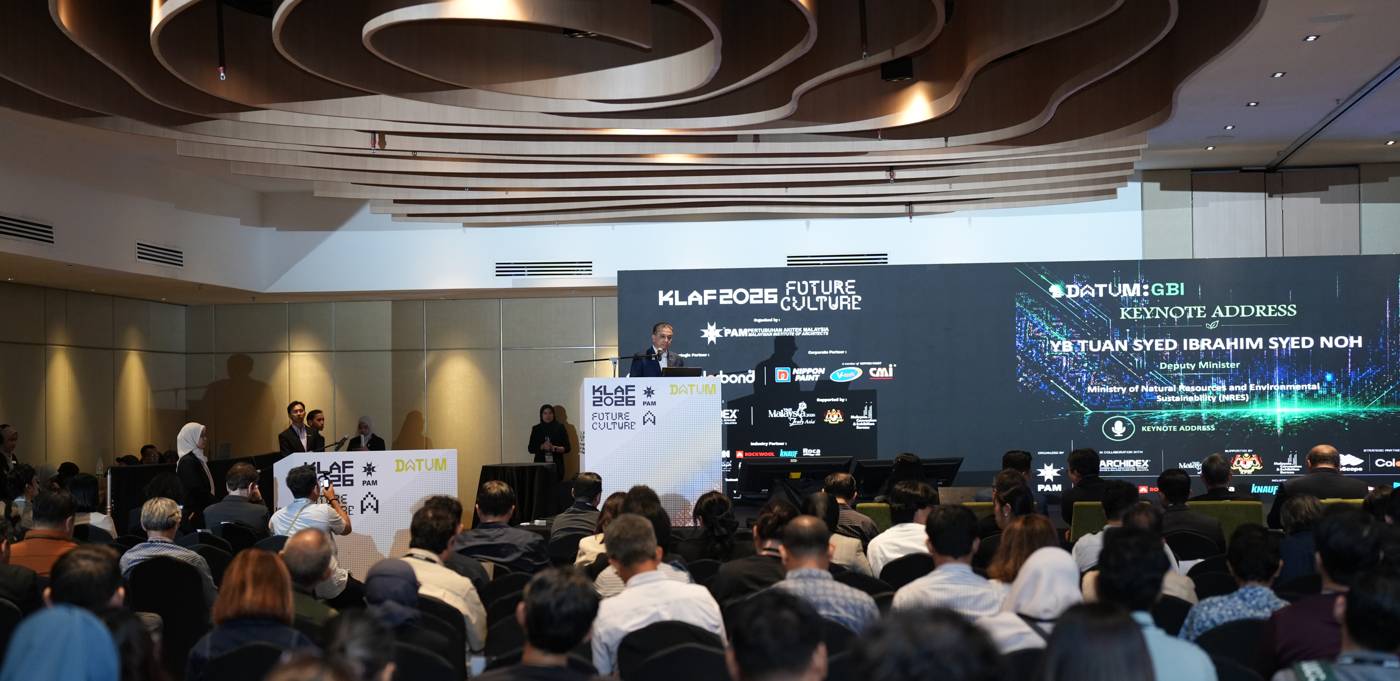
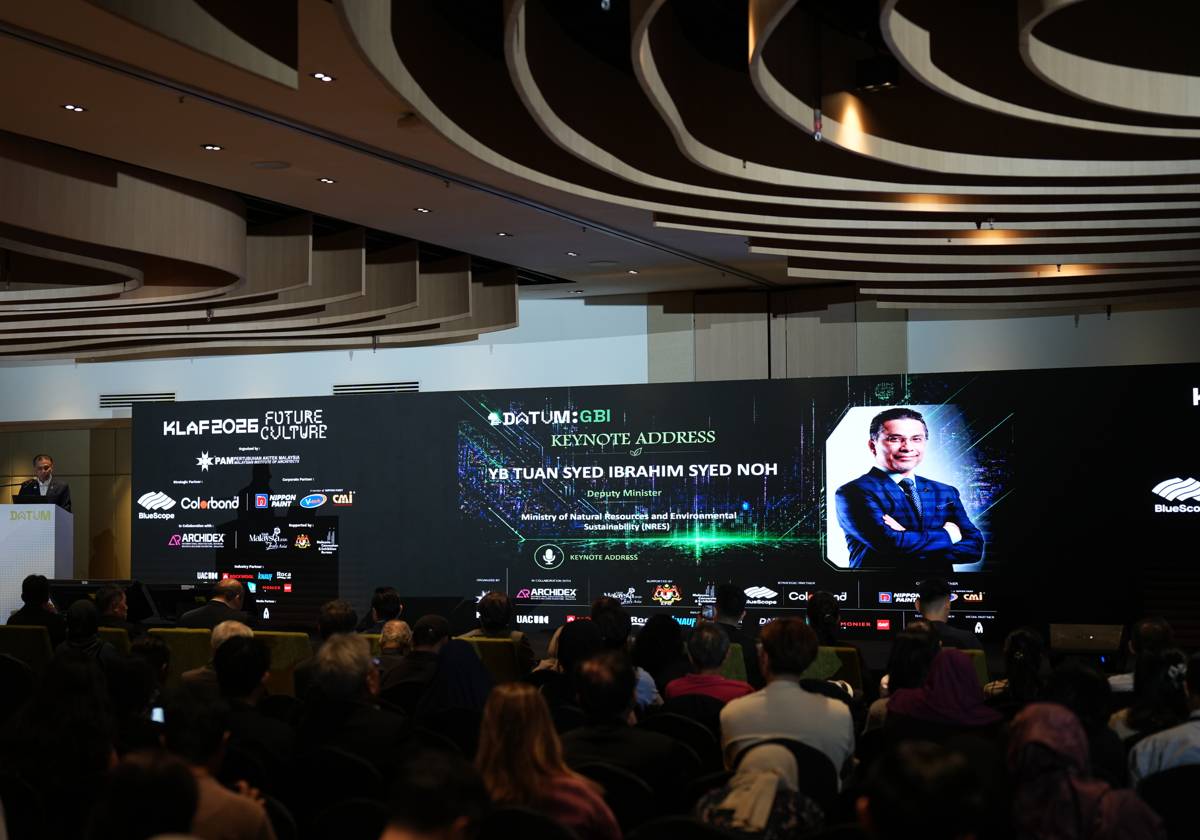
YB Tuan Syed Ibrahim bin Syed Noh delivering the keynote address at Datum GBI 2026
05 · The Launch Address, In Full

"An industry chooses to raise its own bar"

The keynote address by YB Tuan Syed Ibrahim bin Syed Noh, Deputy Minister of Natural Resources and Environmental Sustainability, at the launch of GBI NRNC Version 2.0, Datum GBI 2026, MITEC, Kuala Lumpur, 29 July 2026. Transcript lightly edited for print.

Bismillahirrahmanirrahim. Assalamualaikum Warahmatullahi Wabarakatuh, Salam Sejahtera and Salam Malaysia MADANI.

Yang Berusaha Ar. Dexter Koh Yew Peng, President of Pertubuhan Akitek Malaysia; Yang Berusaha Ir. Anuar Mohd Aris, President of the Association of Consulting Engineers Malaysia; members of the Board of Directors of Greenbuildingindex Sdn Bhd; members of the GBI Accreditation Panel; Ar. Sarly Adre Sarkum, Chief Executive Officer of Green Building Index; distinguished developers, architects, engineers, planners, sustainability professionals, members of the industry, ladies and gentlemen.

It gives me great pleasure to join you this afternoon for the official launch of the Green Building Index Non-Residential New Construction Tool Version 2.0, or GBI NRNC Version 2.0.

Every so often, an industry chooses to raise its own bar. Today is one of those moments, and I congratulate the Green Building Index, PAM, ACEM, the GBI Accreditation Panel, the technical committees and every professional whose expertise has brought us here.

This launch is more than the introduction of an updated assessment tool. It is a declaration that Malaysia's professions and private sector can turn our national climate aspirations into real, measurable action, one building at a time.

Ladies and gentlemen, since 2009, when PAM and ACEM came together to establish it, GBI has grown into Malaysia's industry-recognised green building rating system, created for our tropical climate and our own national context. That local relevance remains one of its greatest strengths.

Consider what has been achieved. As of June 2026, GBI has recorded 1,436 project applications and 804 certified projects across residential, commercial, industrial, interior and township categories. Together, GBI-rated buildings represent approximately 31.9 million square metres, or 342.8 million square feet, of certified floor area. By the end of this year, that figure is expected to exceed 350 million square feet.

More significantly, these projects collectively deliver a projected reduction of more than two million tonnes of carbon dioxide equivalent every single year, from electricity savings alone.

These are not merely certificates on a wall. They are proof that the physical performance of Malaysia's built environment is being transformed. Every efficient chiller, every better-performing facade, every responsibly selected site, every water-efficient fitting, every well-managed building: these quiet decisions, multiplied across hundreds of projects, are steadily reducing our nation's energy demand and environmental footprint.

This is precisely the transformation that the Ministry of Natural Resources and Environmental Sustainability champions. Under the NRES Strategic Plan 2024-2030, we are committed to advancing environmental protection, climate action, green growth and sustainable lifestyles, to building low-carbon cities, and to honouring Malaysia's greenhouse-gas commitments under the Paris Agreement.

Malaysia's latest Nationally Determined Contribution, NDC 3.0, raises our ambition further. We intend to peak national greenhouse-gas emissions by 2030, and to achieve an absolute reduction of between 15 and 30 million tonnes of carbon dioxide equivalent by 2035. No single sector can deliver this alone, but the building sector must be at the heart of it. Buildings are long-term assets. The choices we draw on paper today will shape energy use, carbon emissions and public health for decades to come.
Continues on next page
12

That is why GBI NRNC Version 2.0 is so timely, and so strategically important. It makes three bold advances.

First, it raises the floor. Where Version 1 had a single prerequisite, Version 2.0 establishes seven mandatory prerequisites. These include minimum energy performance and an advanced Building Energy Intensity requirement of not more than 180 kilowatt-hours per square metre per year, sustainable maintenance facilities, environmental tobacco smoke control, responsible site selection, proper storage and collection of recyclables, and water-efficient fittings. This is a shift in philosophy. Green certification should not merely celebrate exceptional features; it must guarantee sound fundamentals.

Second, Version 2.0 moves us from design intention to living performance. Continuous Energy Management recognises that efficiency does not end on the day a certificate is issued. This mirrors Malaysia's regulatory direction under the Energy Efficiency and Conservation Act 2024, in force since 1 January 2025. In the same spirit, Continuous Indoor Air Quality Monitoring ensures that a healthy building protects its occupants every day, not only on the day of assessment.

Third, Version 2.0 widens the very meaning of sustainability. Integrated Daylighting Design, Reduced Flickering and Resilient Indoor Air Quality place human health, comfort and well-being at the centre of building design. Electric Vehicle Infrastructure prepares our developments for Malaysia's transition to cleaner mobility. The Reduction of Upfront Carbon confronts the emissions embedded in construction materials and processes. And Resilient Clean Water Supply reminds us that sustainability must include resilience.

Taken together, these enhancements chart a clear and inspiring evolution: from efficiency to decarbonisation. From design compliance to continuous management. From individual green features to integrated building performance. And from sustainability under normal conditions to resilience under future conditions.

Ladies and gentlemen, the National Energy Transition Roadmap names energy efficiency as one of Malaysia's six energy-transition levers, because the cleanest kilowatt-hour is the one we never need to generate. GBI NRNC Version 2.0 places a practical instrument for that transition directly in the hands of our development and professional community.

And this is the true value of GBI to the nation. When the Government sets direction through the National Energy Transition Roadmap, the Energy Efficiency and Conservation Act and our NDC commitments, it is instruments like GBI that carry that direction into every drawing office, every site meeting and every boardroom. GBI translates policy into practice. That is a partnership of the highest value.

So let me give you this assurance. NRES is glad to support any measure that moves the sustainability needle forward. If it delivers real reductions in emissions and real improvements in the quality of our built environment, it will find a willing partner in this Ministry.

But a tool, however well crafted, succeeds only through the people who use it. So this afternoon, I make four appeals. To our developers: adopt these standards not as a burden of compliance, but as an investment in asset value, operational savings, climate resilience and long-term competitiveness. To our architects and engineers: let sustainability guide your hand from the very first sketch. To our building owners and facility managers: treat commissioning, monitoring and continuous improvement as a permanent duty of care. And to GBI: keep raising the bar, so that your tools remain credible, rigorous and worthy of Malaysia's future.

The buildings we design today will become the cities our children inherit tomorrow. Let us make them energy-efficient, healthy, low-carbon and resilient. And let us prove, together, that economic progress and environmental responsibility are not opposing ambitions, but twin foundations of national prosperity.

With the recitation of Bismillahirrahmanirrahim, it is my honour and pleasure to officially launch the Green Building Index Non-Residential New Construction Tool Version 2.0. Congratulations once again to Green Building Index, PAM, ACEM and everyone who has made this milestone possible.

Thank you. Wabillahi Taufik Walhidayah, Wassalamualaikum Warahmatullahi Wabarakatuh. GB

The Deputy Minister at the podiumAt the podium
The sold-out hall at Datum GBI 2026The sold-out hall
The keynote address on screenThe keynote on screen
13
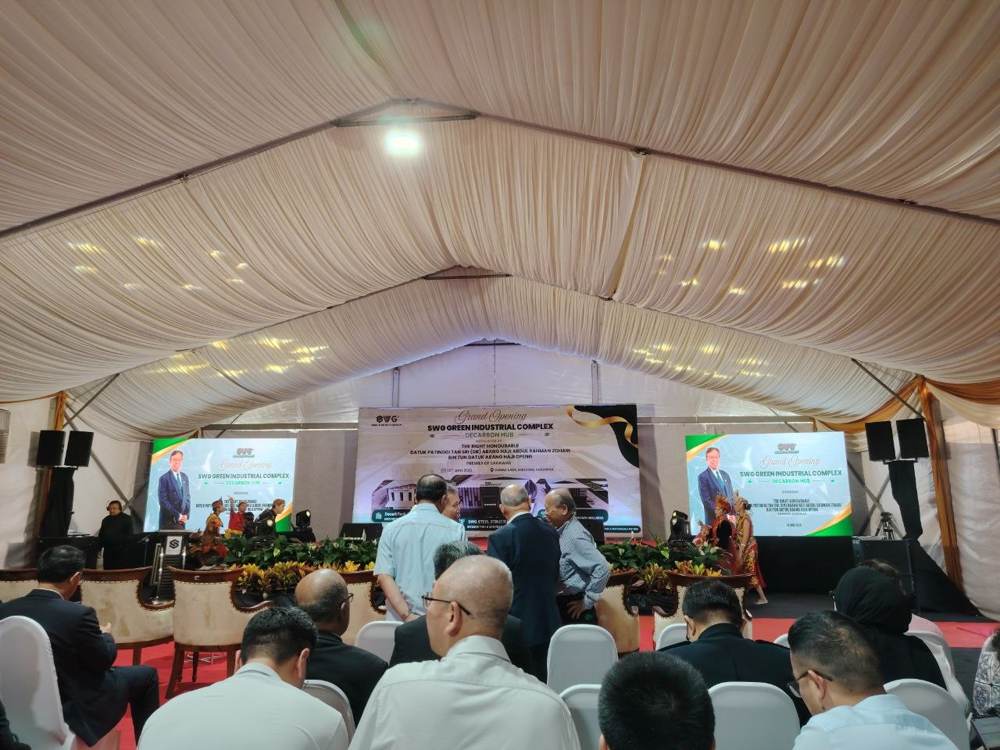
Event 01 · Kuching, Sarawak

Sarawak's first GBI certified industrial building opens its doors

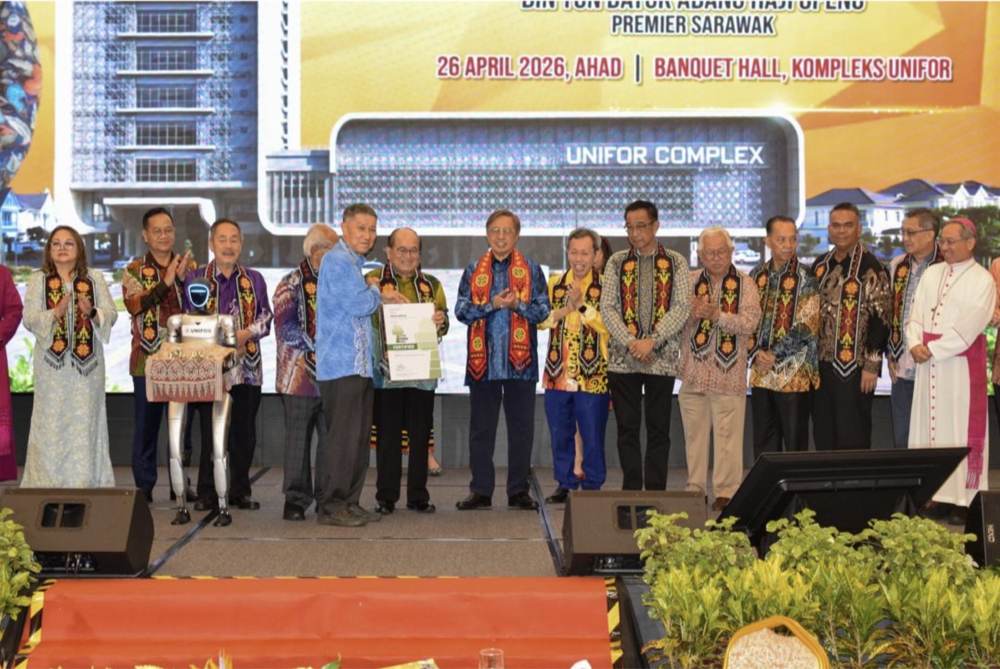
GBI joined the opening ceremony of the SWG Green Complex and Decarbon Hub in Kuching, where the Premier of Sarawak led the celebrations for the state's first GBI Provisional Certified industrial building.

The complex gives Sarawak's low-carbon agenda a working address. For GBI, the day was about more than one building: it was a chance to engage the Premier and state stakeholders directly on what certified industrial development can look like in East Malaysia, and to strengthen relationships with the project teams who will deliver the next wave of it.

Industrial projects are one of the fastest-growing categories in the GBI registry, with 113 applications under the INC tool to date. A flagship certified complex in Kuching puts a marker down for the region. GB

Opening of SWG Green Complex and Decarbon HubWith the Premier of Sarawak at the opening ceremony

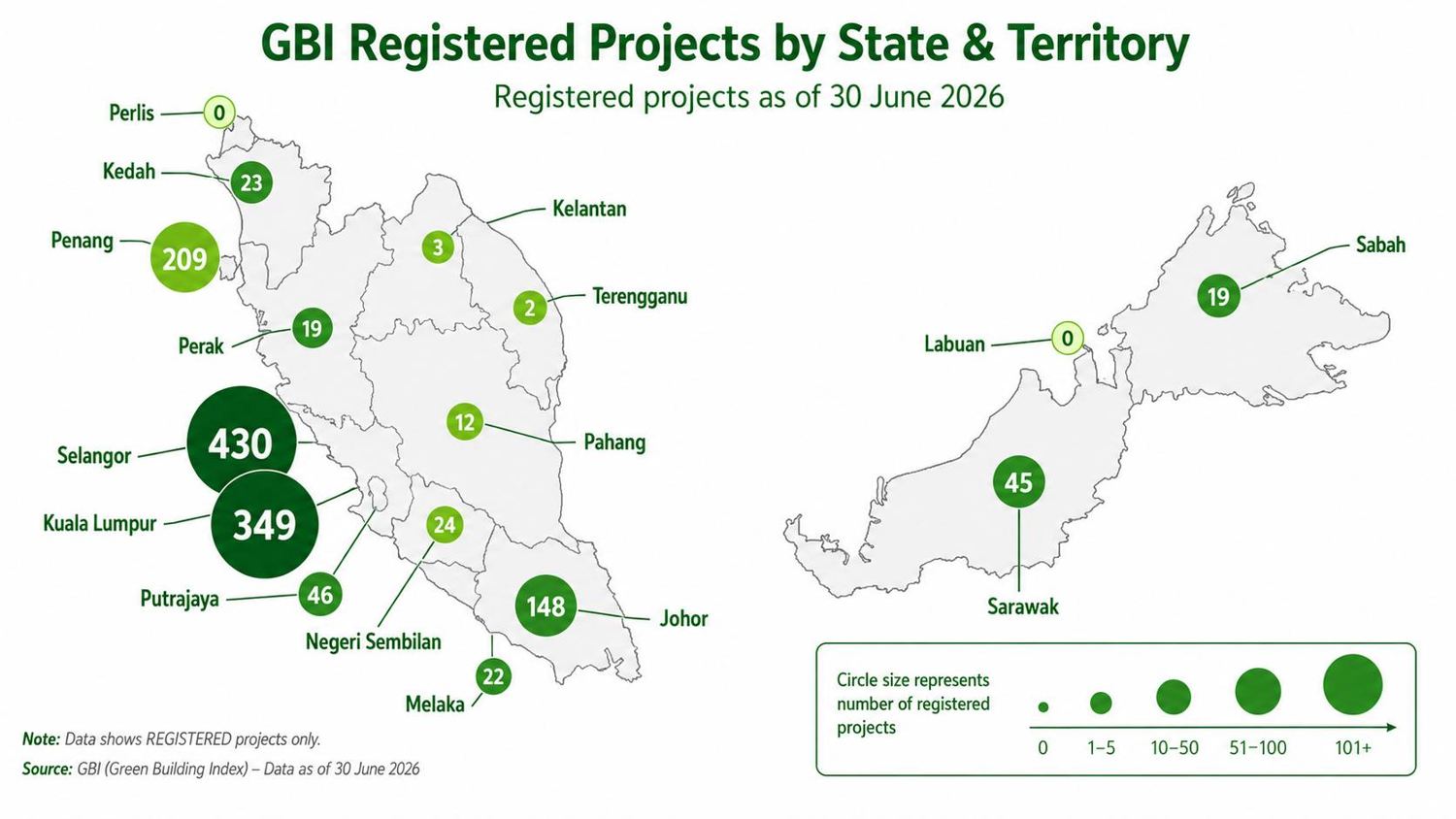
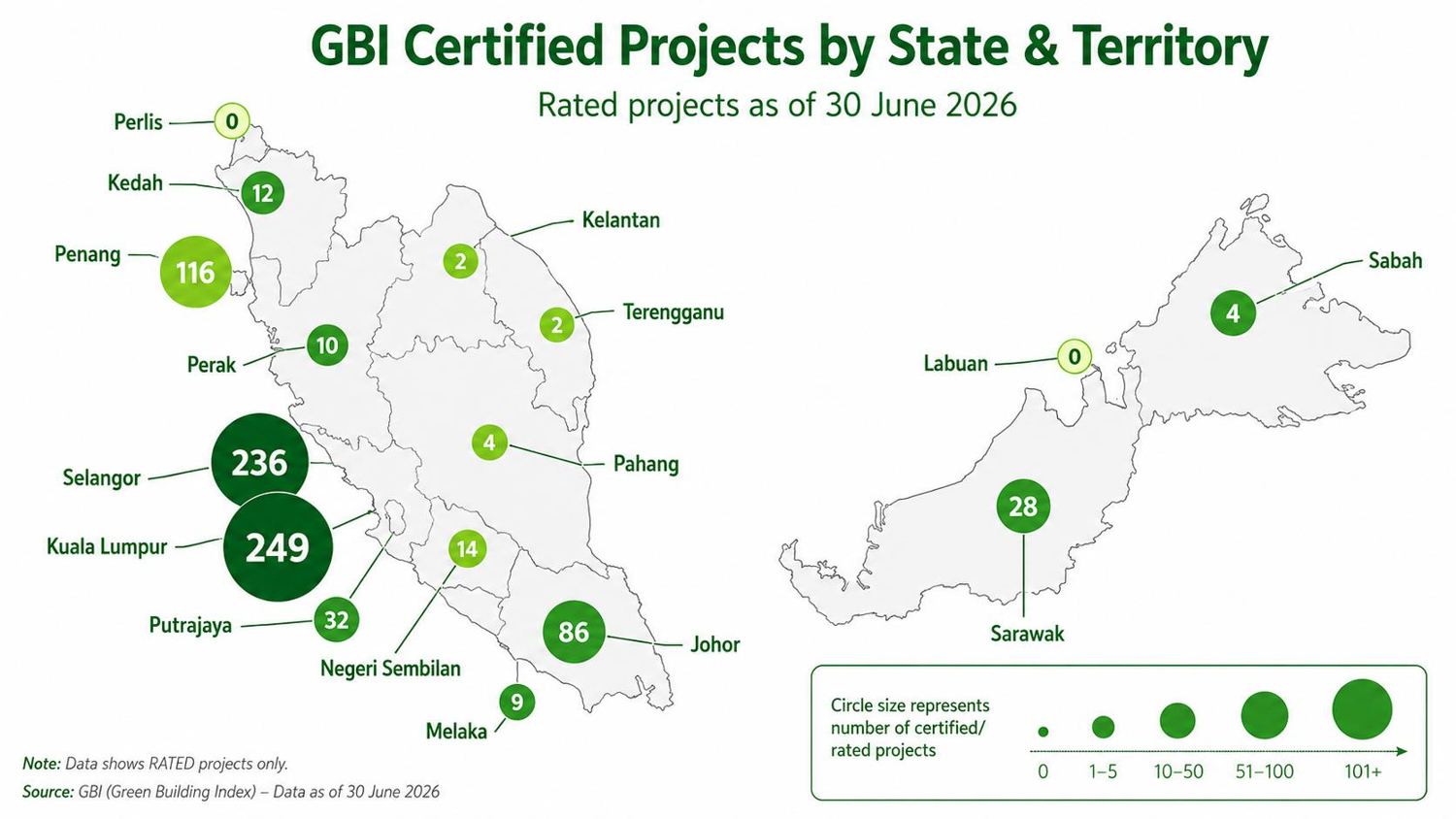
Why it matters: East Malaysia is a priority for GBI's next phase of growth. Sarawak has 45 registered projects and 28 rated to date, and a proposed regional representation framework through PAM and ACEM chapters aims to bring certification support closer to project teams outside the Klang Valley.

Opening ceremony at SWG Hall, KuchingThe opening ceremony at SWG Hall, Kuching
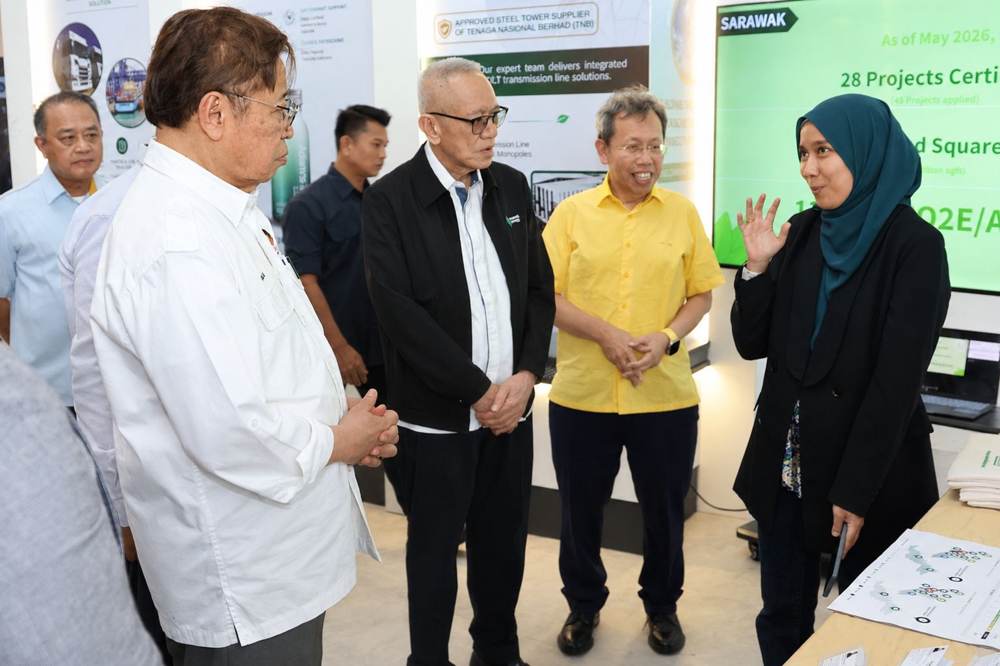
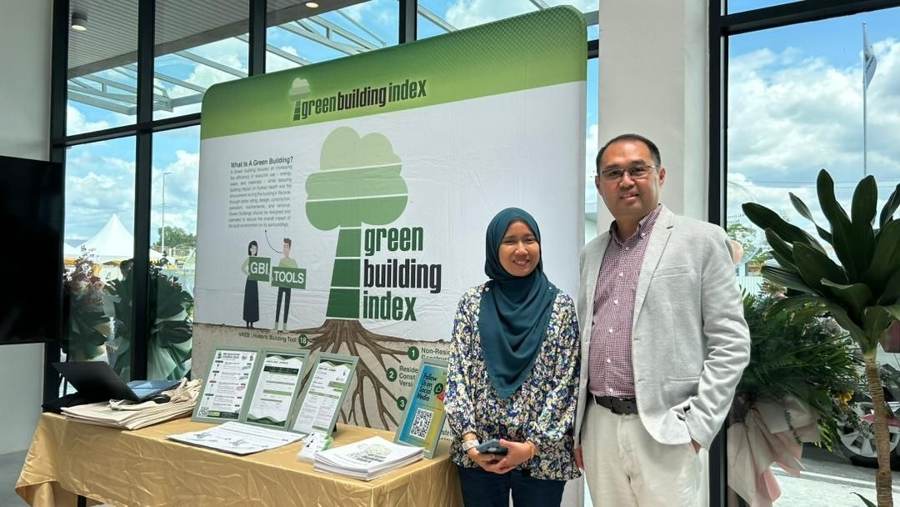
The GBI booth at the SWG eventThe GBI booth at the event
Continues on next page
14
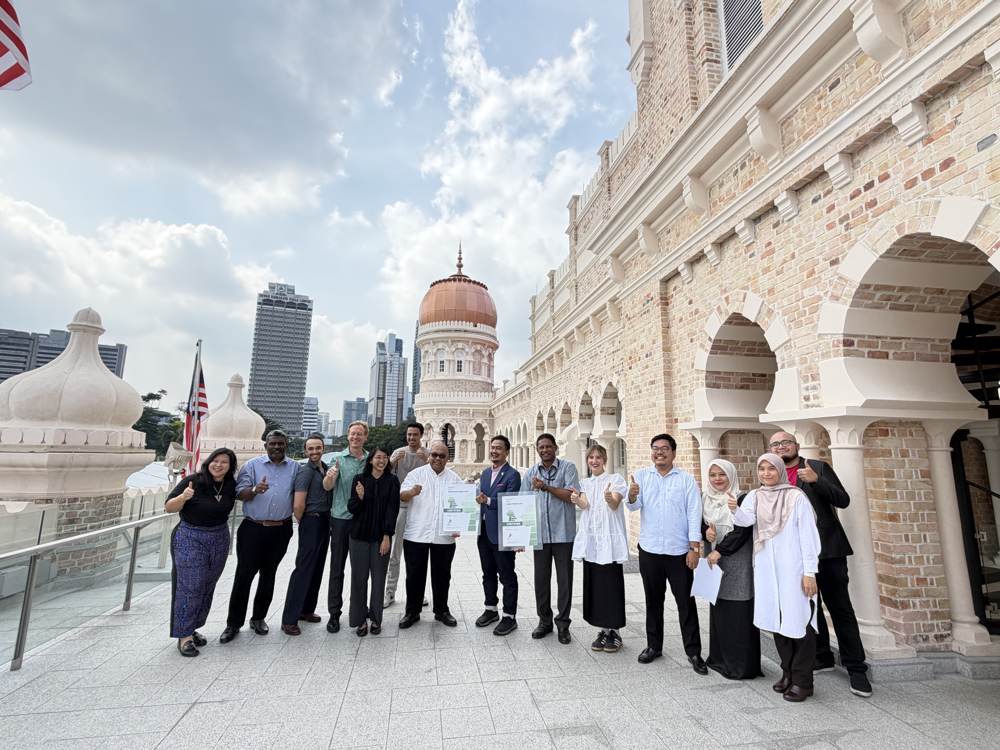
Event 02 · Kuala Lumpur

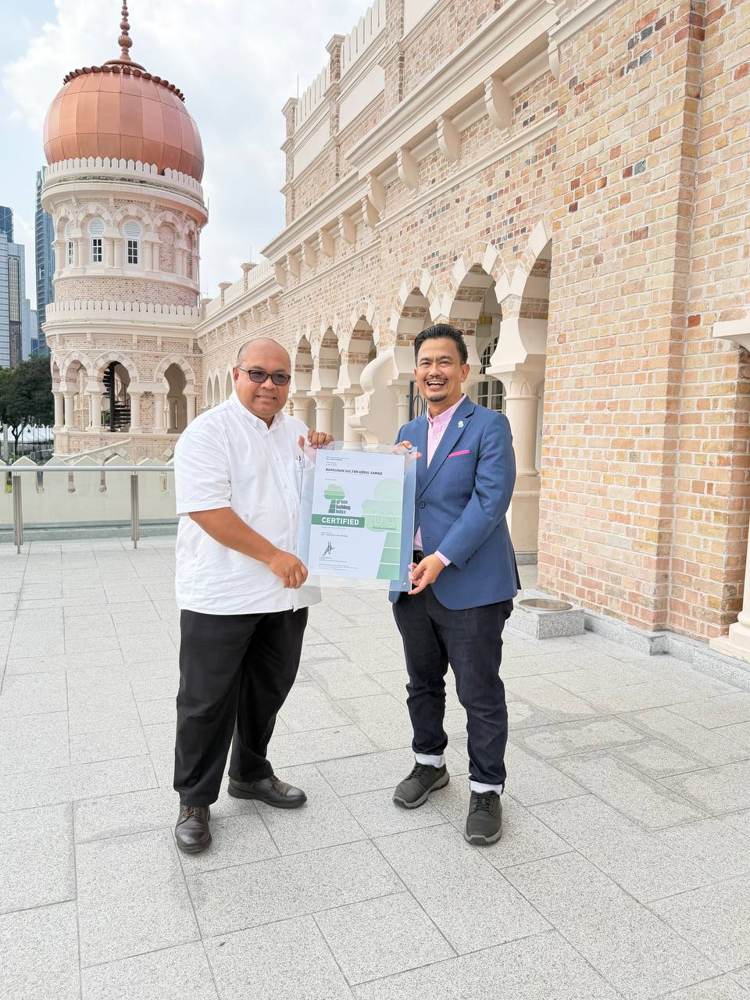
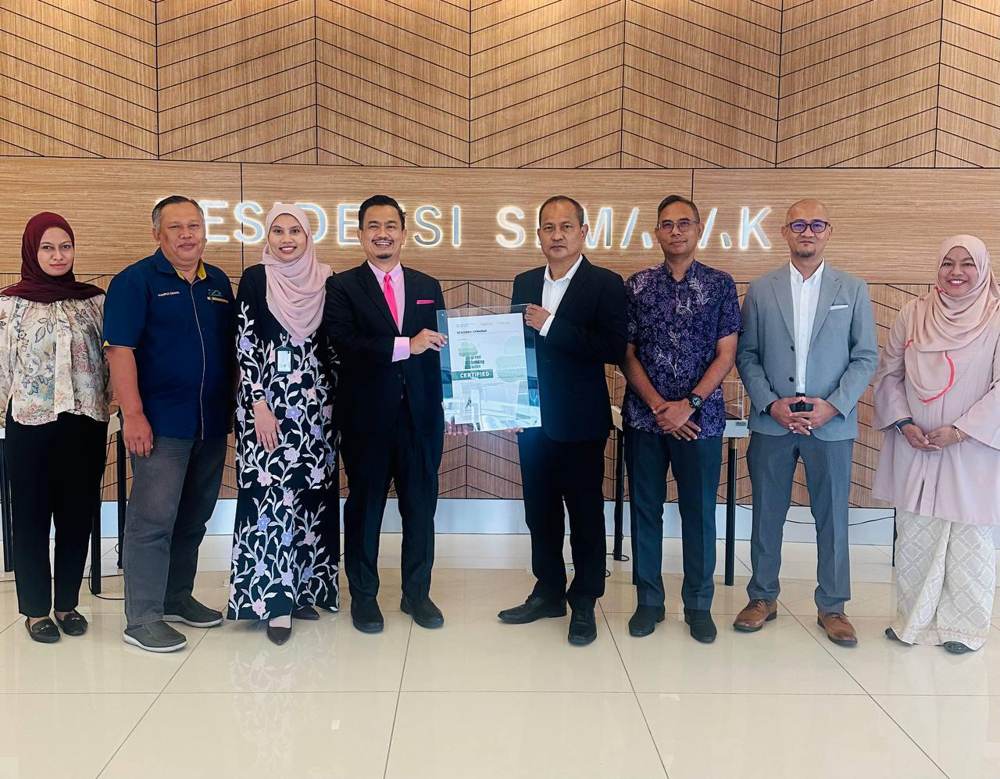
A first for Malaysian heritage: Bangunan Sultan Abdul Samad and Pejabat Pos Besar Lama earn GBI certification

Some certificates are routine. These two are not. Aset Warisan Tiga Sdn Bhd and Aset Warisan Empat Sdn Bhd have achieved GBI Design Assessment certification under the Non-Residential Existing Building (NREB) Heritage Tool for Bangunan Sultan Abdul Samad and the Pejabat Pos Besar Lama, the first projects certified under the tool in Kuala Lumpur. The tool made its national debut in Penang; Bangunan Sultan Abdul Samad is now the largest heritage building it has certified.

The two buildings need little introduction. One has watched over Dataran Merdeka since 1897; the other served for decades as the capital's general post office. What the certificates say is new: that buildings of this age and status can meet a modern sustainability standard without giving up the character that makes them worth keeping.

The Heritage Tool was developed with Badan Warisan Malaysia and George Town World Heritage Incorporated precisely for this moment. Conservation and sustainability have often been treated as competing goals. In these two projects they finally share a certificate. GB

The certificate presentation group at Bangunan Sultan Abdul Samad The presentation party outside Bangunan Sultan Abdul Samad, with the building's dome behind them
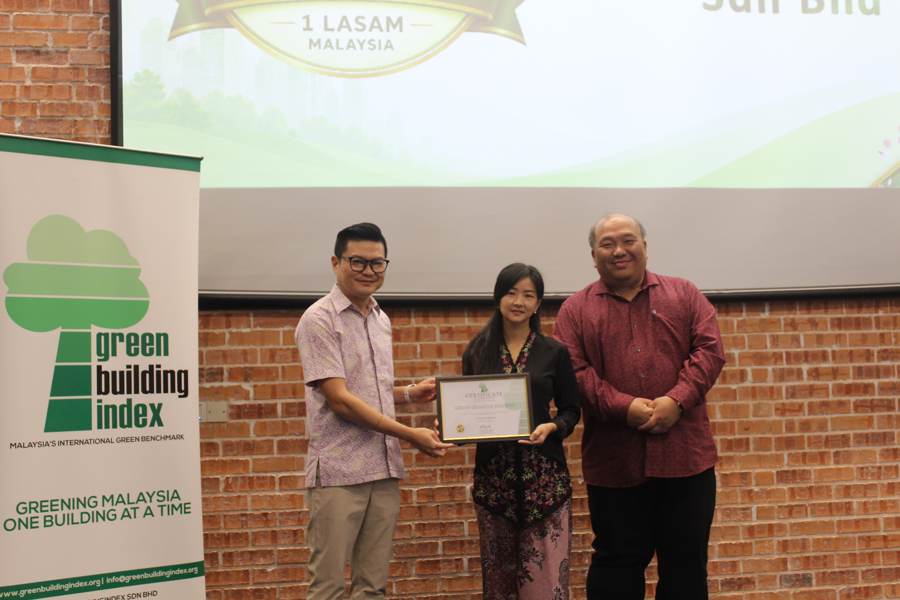
The certificate handoverThe handover
Touring the building during the presentationTouring the building
15
Event 03 · Penang

Penang counts its green buildings at the PDC Sustainability Conference 2026

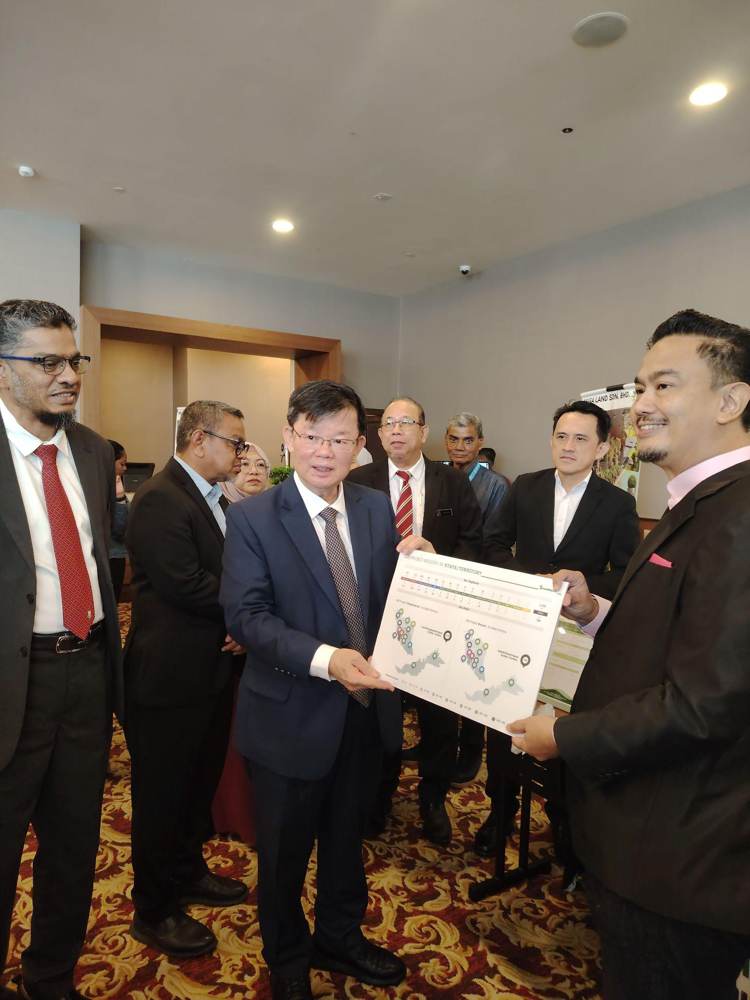
Chief Minister of Penang visiting the GBI boothYAB Tuan Chow Kon Yeow at the GBI booth

The PDC Sustainability Conference gave GBI a platform to showcase what Penang has quietly built: 114 certified projects, and 206 registered and certified developments contributing to the state's sustainability agenda.

Chief Minister YAB Tuan Chow Kon Yeow dropped by the GBI booth, a visit that strengthened GBI's standing with one of the country's most sustainability-minded state governments. Penang now trails only Kuala Lumpur and Selangor in the GBI registry, with 209 registered projects statewide.

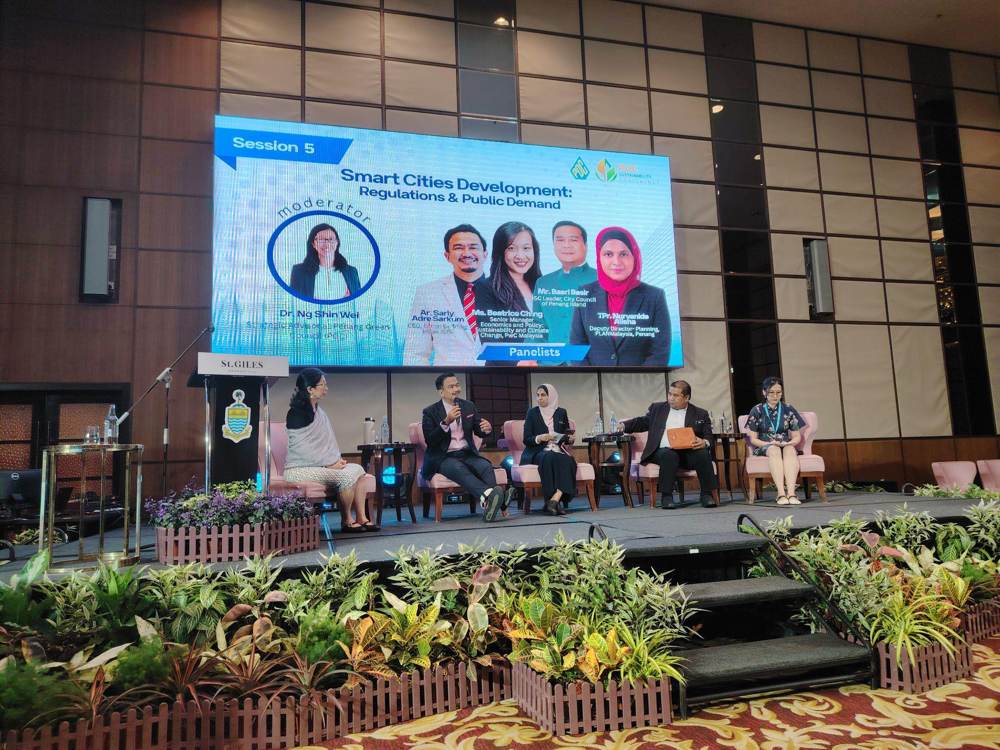
The smart cities panel at PDC Sustainability Conference The smart cities panel

CEO Ar. Sarly Adre Sarkum joined the panel discussion on smart cities development, covering regulations and public demand. His argument to the room: smart city technology only earns its keep when it serves governance, community expectations and measurable sustainability outcomes, and certification is one of the few tools that ties all three together.

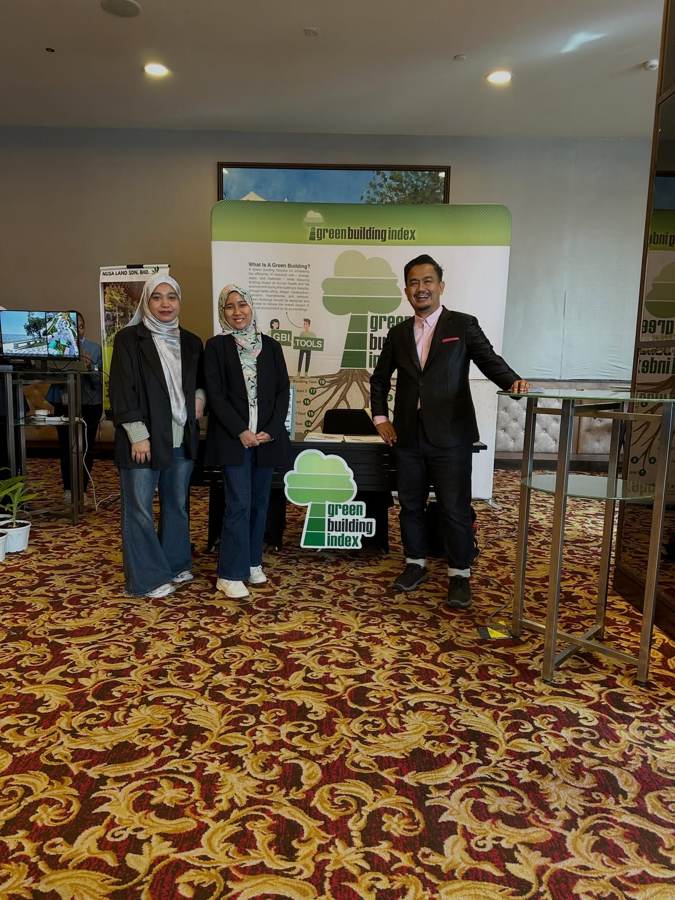
The GBI booth kept the team busy for the full day. Developers, consultants and state officers came with practical questions: how to register a project, what the new NRNC Version 2.0 will ask of them, and how Penang's own buildings compare with the national registry. Conversations like these are where the next hundred certifications start.

The conference capped a strong quarter for GBI in Penang, which also saw the state's engineering students hosted at Engineers in Society 2026 at UiTM Penang, where GBI introduced green building principles to the profession's next intake. GB

The GBI booth at PDC Sustainability ConferenceThe GBI booth in the hall
Engineers in Society 2026 at UiTM PenangEngineers in Society, UiTM Penang
16
Event 04 · Regional and International

From Brunei to The New York Times: GBI on the world stage

A quarter of international engagements confirmed something the numbers have hinted at for a while: the region is watching Malaysia's green building journey, and GBI is the reference point.

In July, GBI hosted a technical knowledge-sharing session for a delegation from Brunei, walking through the GBI Interiors Tool and Malaysia's certification framework. Days later, a delegation from Ikatan Arsitek Indonesia's Jawa Timur chapter toured PAM Centre, the GBI Platinum rated home of both PAM and the GBI office, as a working demonstration of tropical green design.

Research and media interest followed the same arc. GBI contributed technical insights on cool roofs and passive cooling to the Southeast Asia Cool Roof Market Assessment run by Arup and the ClimateWorks Foundation. And The New York Times came to interview Ar. Sarly on the proliferation of glass high-rise towers in Malaysia, now the world's fourth-ranked country by number of skyscrapers. GB

Brunei delegation visiting GBIThe Brunei delegation at the GBI office, 6 July

What the visitors have in common is instructive. Each came to see how a voluntary, industry-run rating tool works in practice: how volunteers write the standards, how the Accreditation Panel keeps assessments independent, and how a certificate holds its value in the market. Malaysia solved these problems over seventeen years, and the region would rather learn from that experience than repeat it. Every delegation hosted, and every interview given, extends the reach of Malaysian expertise a little further.

The New York Times interview covered the proliferation of glass towers in a tropical climate, and what performance-based certification can do about a building type the world keeps constructing.

IAI Jawa Timur delegation at PAM Centre The IAI Jawa Timur (Malang) delegation at PAM Centre, the GBI Platinum rated home of PAM and the GBI office, 15 July

Also this quarter: GBI met ASECH Indonesia's Center of Excellence on Smart City to explore certification and training collaboration across ASEAN, and contributed to the national Working Group drafting Energy Efficiency Rating Guidelines for Data Centres under the EECA 2024.

17
Event 05 · Certificate Presentations

Certificates on the move: a quarter of presentations across the country

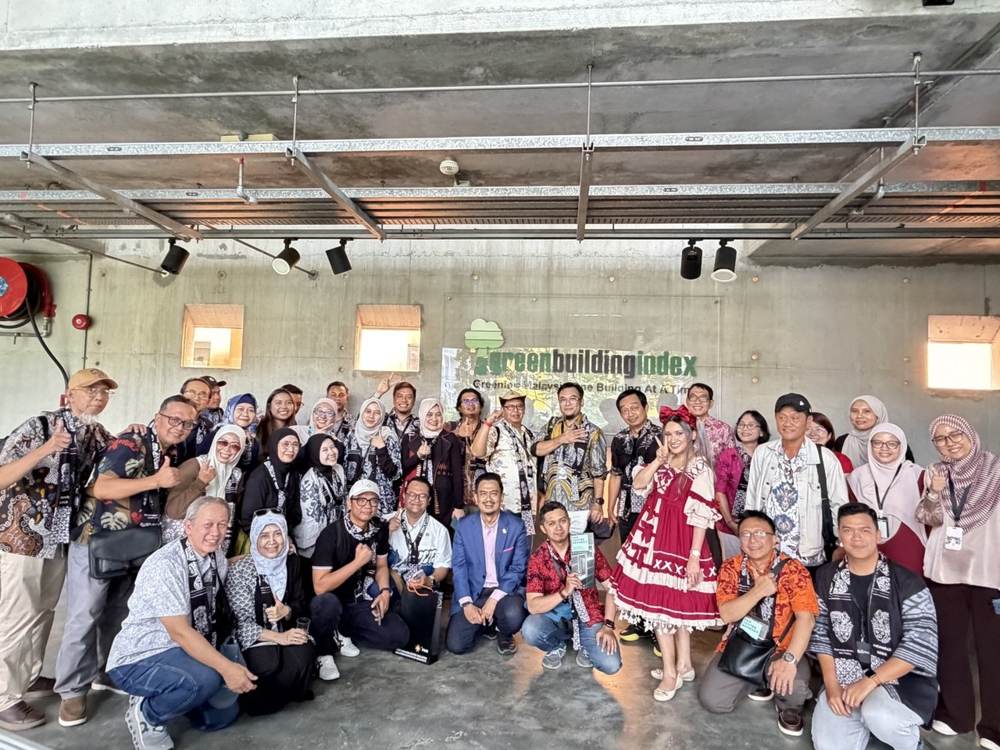
Renewal certificates dominated this quarter's ceremonies, and that is the point. A GBI rating is not a plaque for the lobby; it has to be earned again, assessment after assessment.

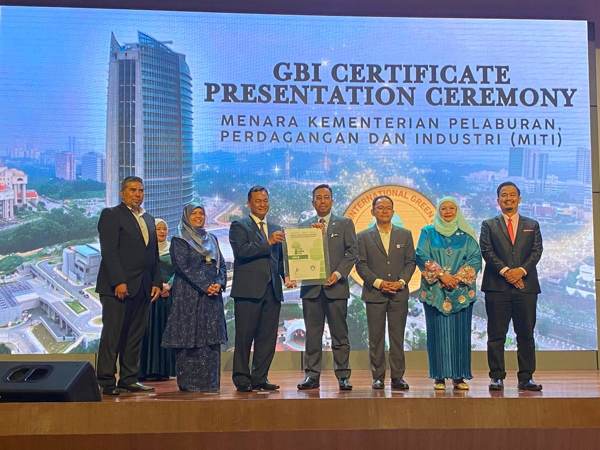
MITI certificate presentation ceremonyMenara MITI, RVA#3 Gold · 17 Apr
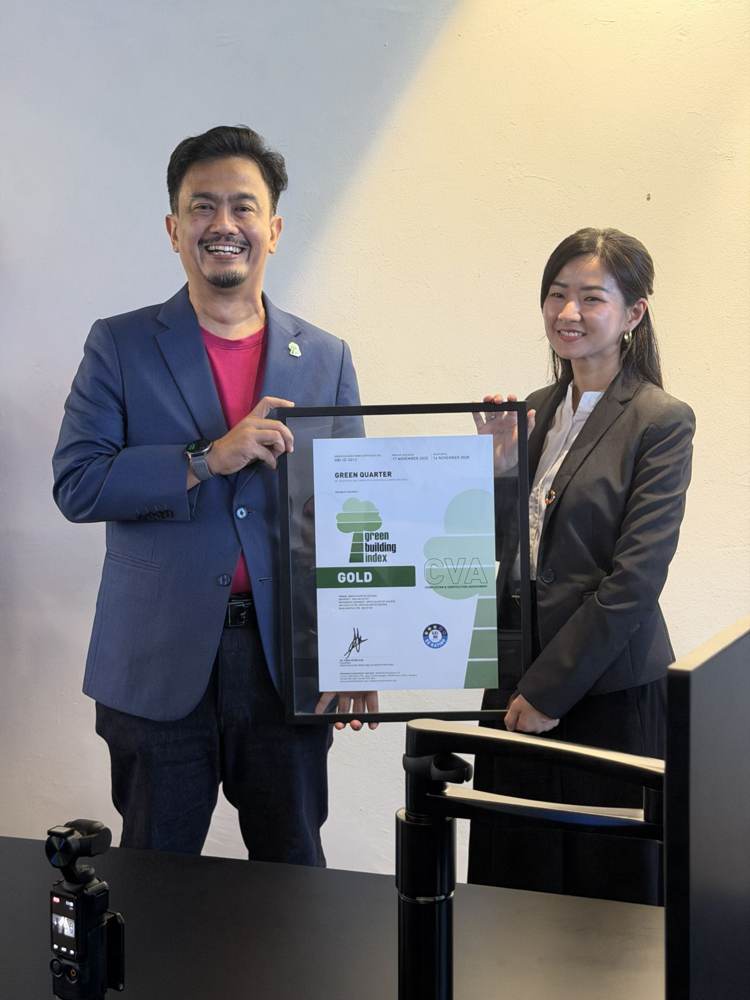
Green Quarter Office Interiors GoldGreen Quarter Office, Interiors Gold · 9 Jul
Menara JKG RVA certificationMenara JKG, RVA#1 · 10 Jul
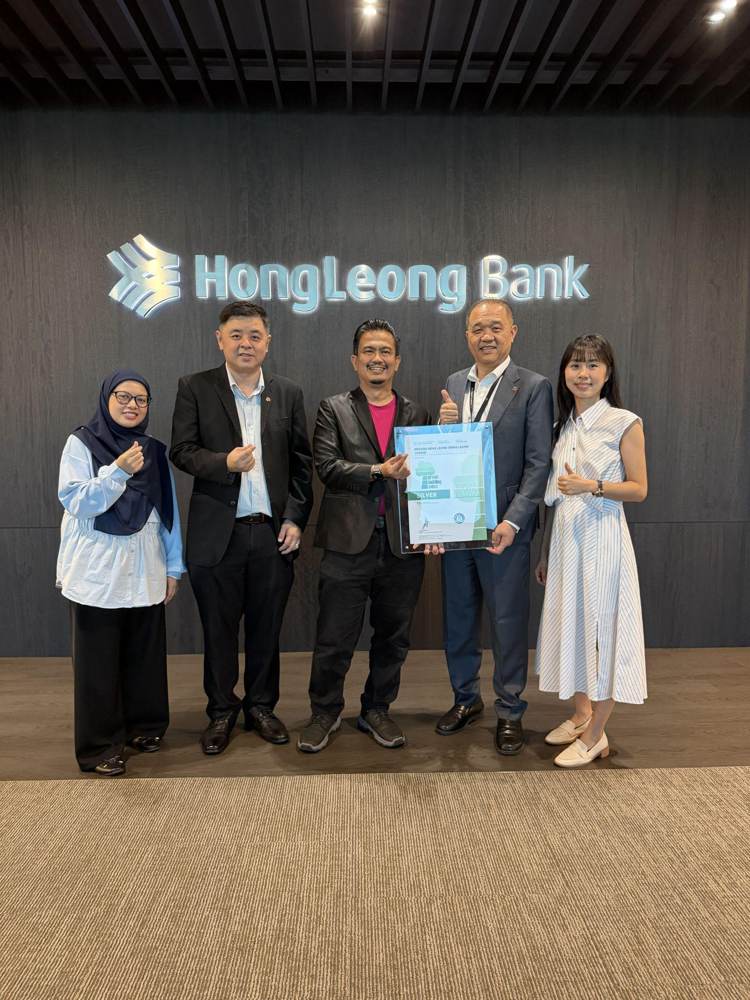
Menara Hong Leong Silver ratingMenara Hong Leong, RVA#2 Silver · 26 May
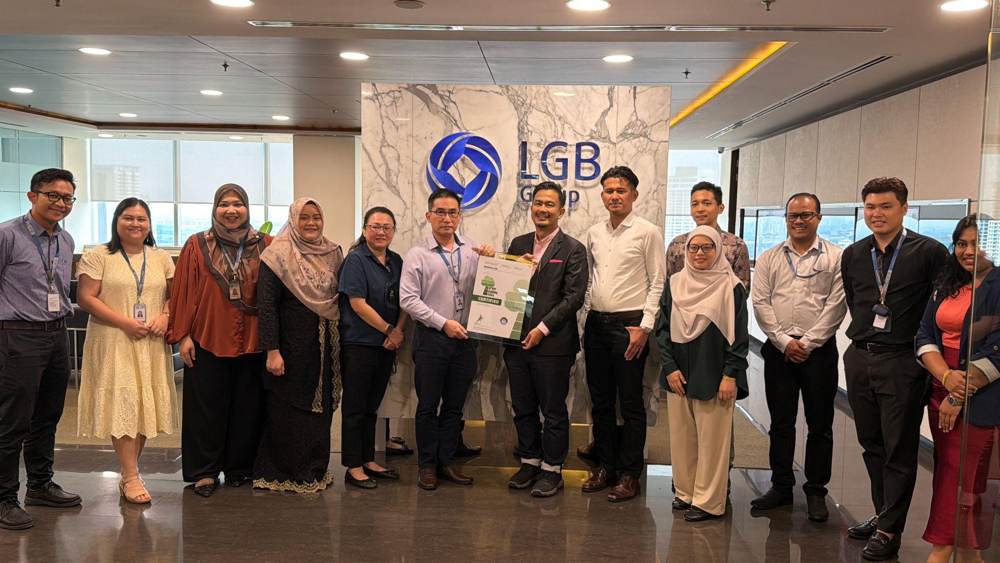
Menara LGB certificationMenara LGB, RVA#3 Certified · 4 Jun
Residensi Semarak certificateResidensi Semarak, Felcra Properties · 21 May

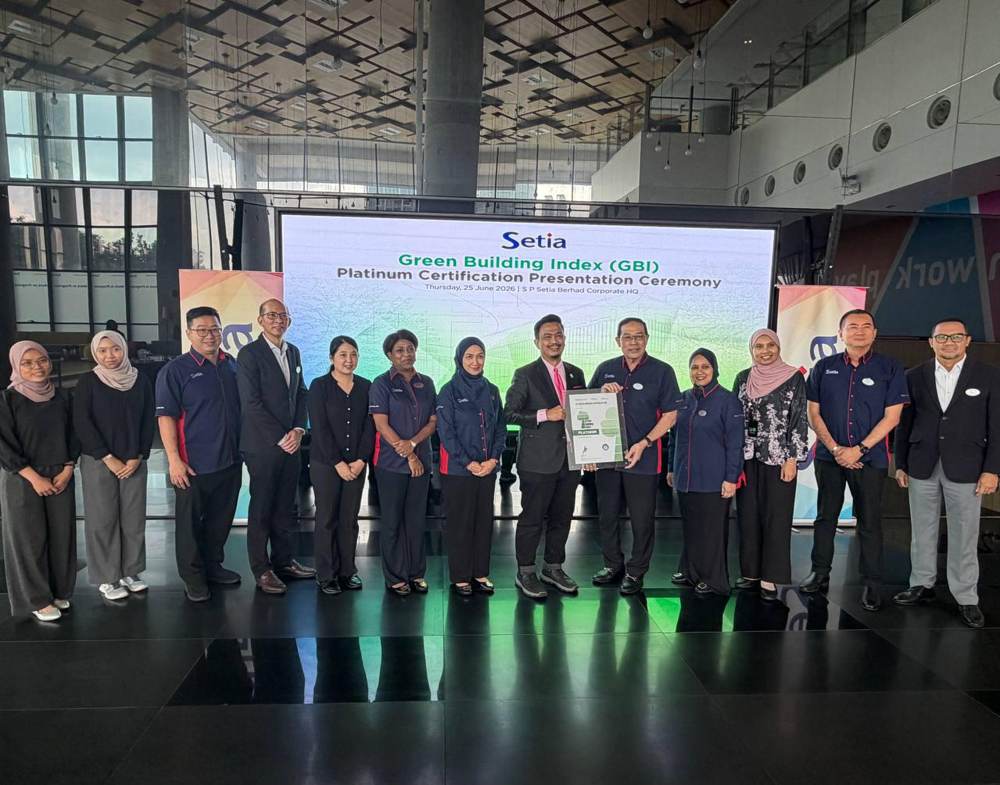
The quarter's renewals tell a story of staying power. S P Setia Berhad's Corporate HQ certificate was received by its Chief Executive Officer Datuk Zaini Yusoff. Menara Kementerian Pelaburan, Perdagangan dan Industri (MITI) achieved its RVA#3 Gold rating in April, marking more than 14 years of continuous certification with GBI.

Menara Hong Leong and Menara LGB renewed at Silver and Certified respectively, while Residensi Semarak added Felcra Properties to the list of owners certifying residential stock. Each renewal is a building that kept its promises years after the ribbon was cut. GB

S P Setia Corporate HQ certificate presentation The RVA certificate presentation to S P Setia Corporate HQ, received by Chief Executive Officer Datuk Zaini Yusoff, 25 June
18
06 · Events at a Glance

April to May 2026

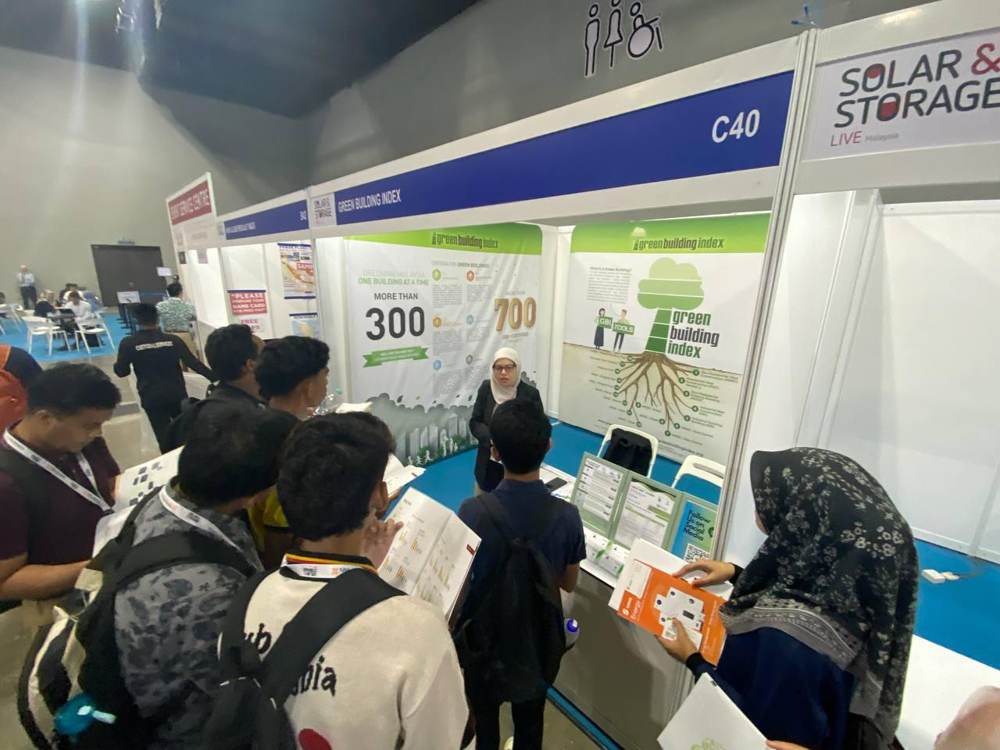
08Apr

Solar & Storage Live Malaysia 2026

GBI ran a booth at the two-day exhibition, connecting with technology providers, developers and energy stakeholders on integrating renewable energy into certified buildings.

17Apr

MITI receives its RVA#3 Gold rating
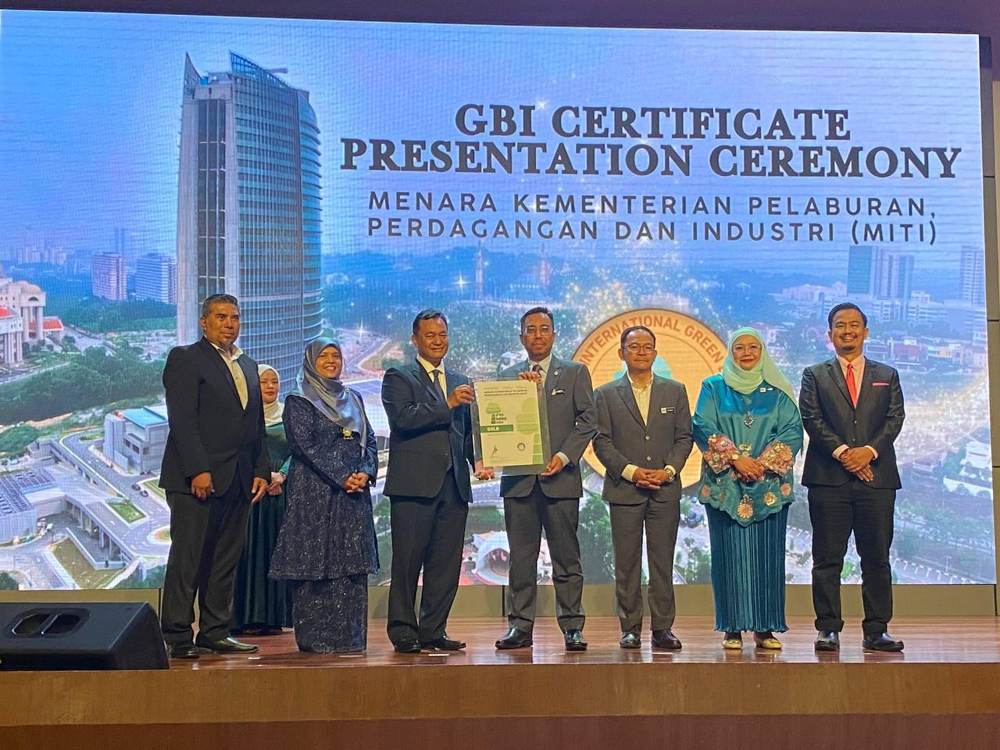
Menara Kementerian Pelaburan, Perdagangan dan Industri renewed at Gold, marking more than 14 years of continuous certification with GBI. The ceremony was held at the ministry itself.

17Apr

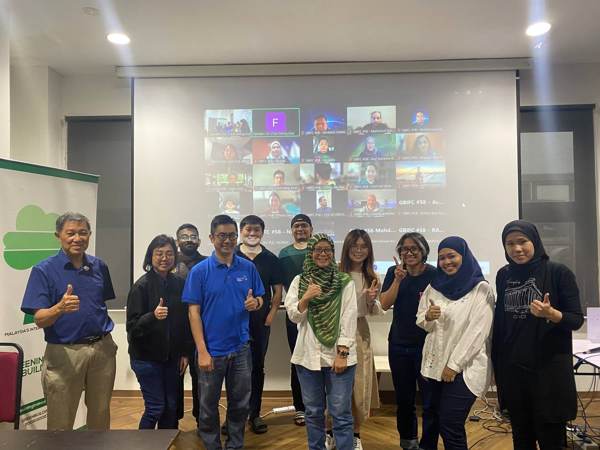
GBI Facilitator Course #58, the first hybrid batch
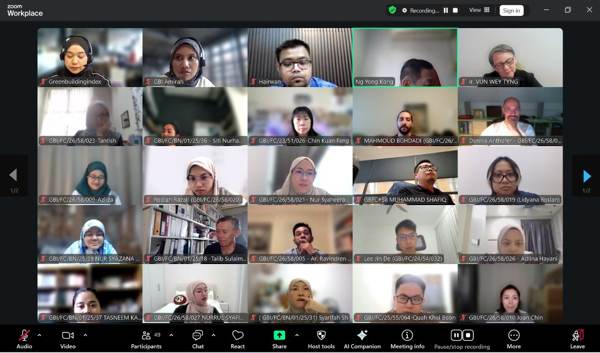
Co-organised with PAM Southern Chapter over three days, GBIFC #58 ran physically and online at once, opening the programme to professionals nationwide.

26Apr

Officiating ceremony of the UNIFOR Complex, Sarawak

GBI joined the officiating of the UNIFOR Complex, supporting inclusive, sustainable development under Sarawak's Post-COVID-19 Development Strategy.
16May

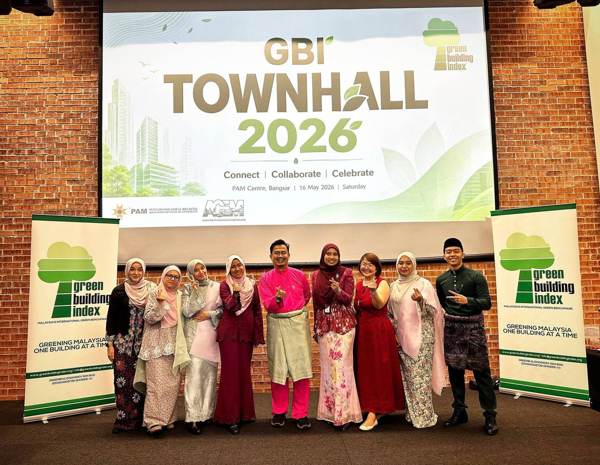
GBI Townhall 2026

Facilitators, certifiers and stakeholders gathered for the interactive townhall and the soft launch of NRNC Version 2.0. Full story on page 24.

21May

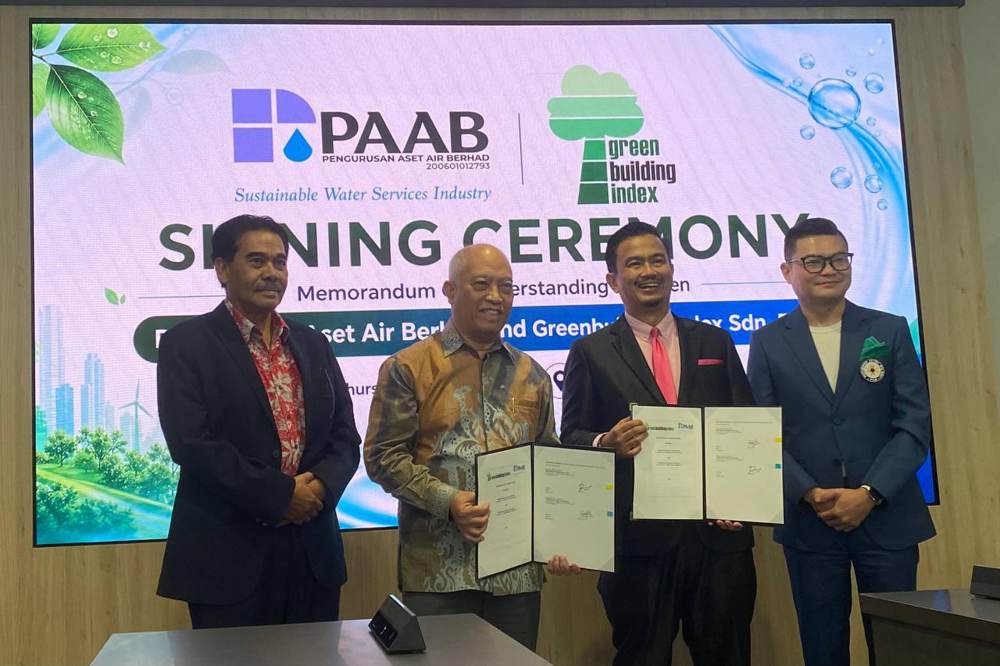
MOU signed with PAAB for the GBI Utilities Tool

GBI and Pengurusan Aset Air Berhad formalised their collaboration on an integrated utilities assessment tool, the first collaboration of its kind in Malaysia.

23May

GBIFC #58 examination

44 candidates, a mix of first-timers and retakers, sat the examination following their group project presentations, closing out the first hybrid course.

19
06 · Events at a Glance

June to July 2026

08Jun

PDC Sustainability Conference 2026, Penang

GBI showcased Penang's 114 certified projects; the Chief Minister visited the booth and the CEO joined the smart cities panel. Full story on page 16.

15Jun

SWG Green Complex and Decarbon Hub opens in Kuching

Sarawak's first GBI Provisional Certified industrial building opened with the Premier of Sarawak in attendance. Full story on page 14.

23Jun

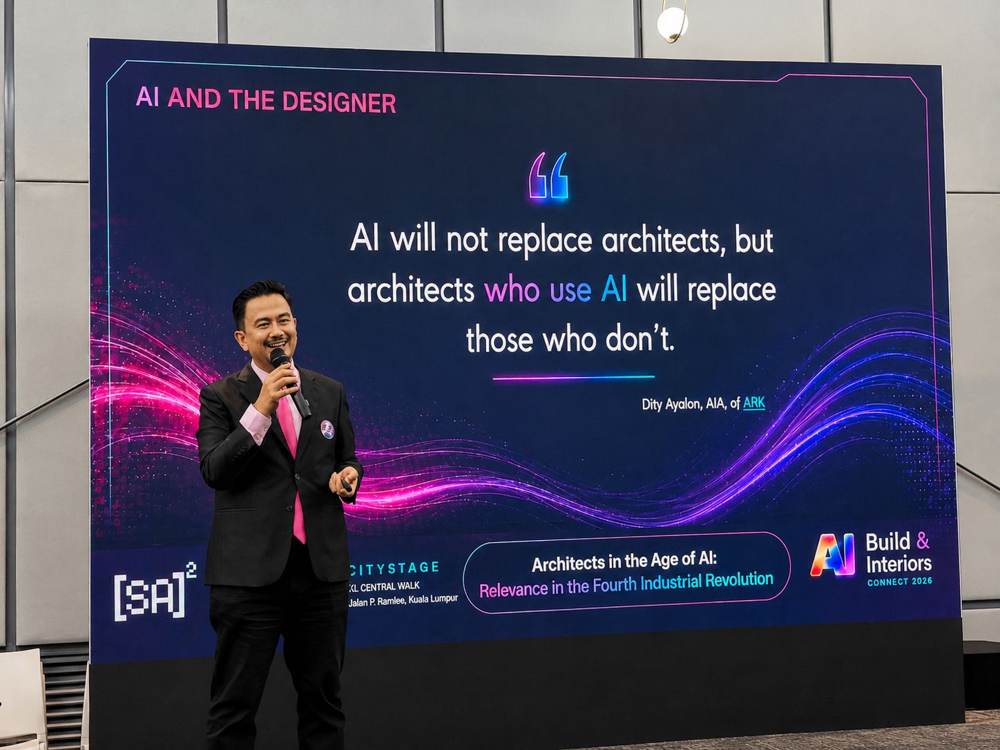
Keynote at AI Build & Interiors Connect 2026

CEO Ar. Sarly Adre Sarkum spoke on architects in the age of AI and what the fourth industrial revolution means for sustainable design.

25Jun

EECA 2024 Data Centre Working Group

GBI contributed technical expertise to the national working group drafting Energy Efficiency Rating Guidelines for Data Centres. Setia HQ also received its RVA certificate the same day.

15Jul

First NREB Heritage certifications presented

Bangunan Sultan Abdul Samad and Pejabat Pos Besar Lama became the first projects certified under the NREB Heritage Tool in Kuala Lumpur. Full story on page 15.

29Jul

Datum GBI 2026 and the launch of NRNC Version 2.0

GBI's biggest event of the year sold out for the first time in its history, with the Deputy Minister of NRES launching the new flagship tool. Lead story on page 7.

This restart issue reaches back to April 2026 so the record is complete. From Issue 2026-04 onwards, Events at a Glance will cover the current quarter only.

20
GBI Facilitator Course #58

Course #58 goes hybrid, and 44 candidates sit the exam

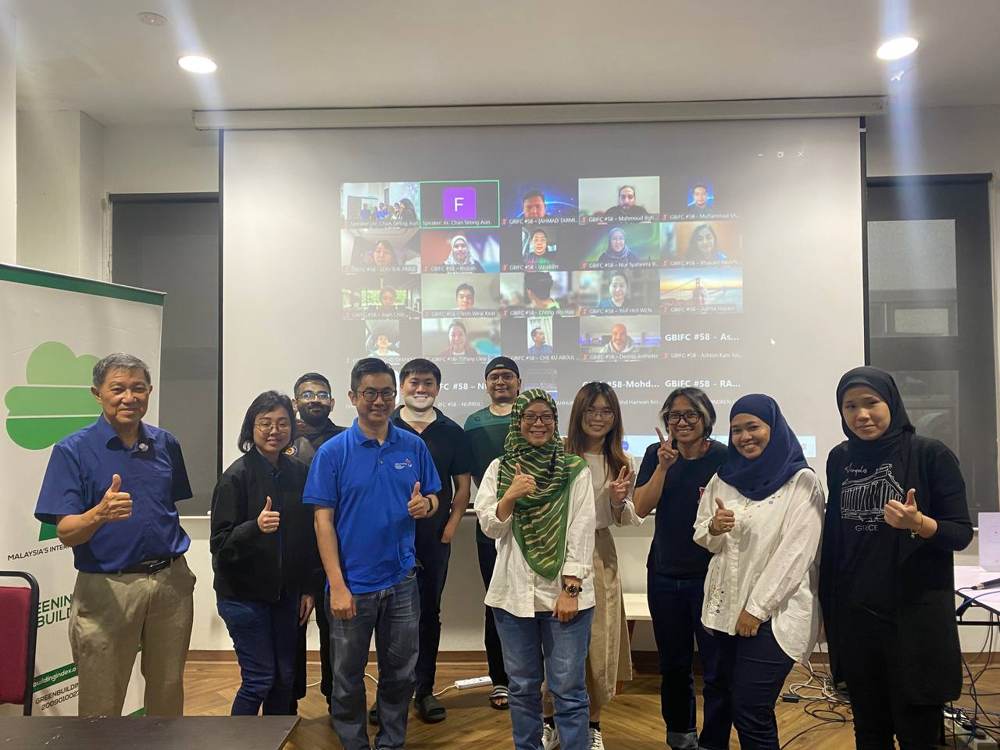
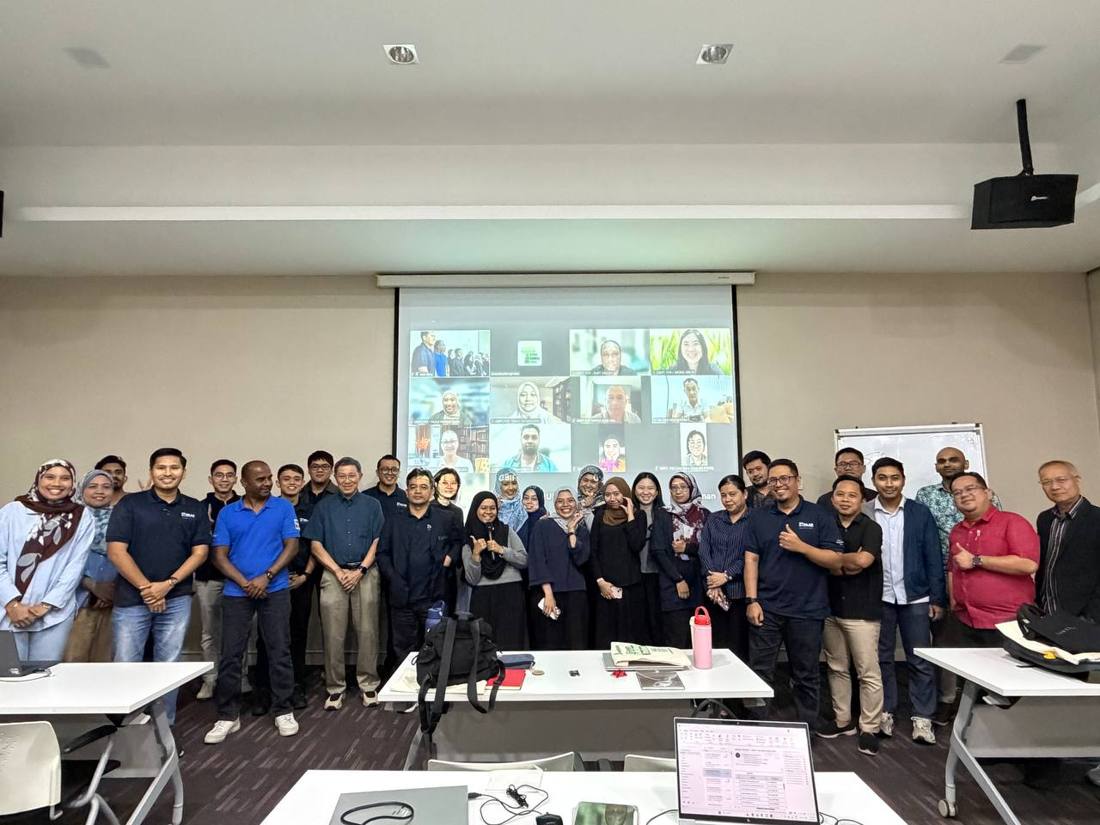
GBI Facilitator Course #58, co-organised with PAM Southern Chapter from 17 to 19 April, was the first in the programme's history to run as a hybrid course, with participants joining in person and online at the same time. The format change matters: it opens the course to built environment professionals anywhere in the country without waiting for a batch to reach their region.

The programme concluded on 23 May with the examination, where 44 candidates, a mix of new participants and retakers, sat the assessment following their group project presentations. The paper was conducted online, the same principle as the course itself: meet the candidates where they are.

Successful candidates join a register that now stands at 1,280 GBI Facilitators. They are the people project teams turn to first, translating a client's sustainability ambition into the criteria, evidence and submissions that a certification actually requires. Every project in the newly certified listing later in this issue has one behind it.

Three more batches follow before the year is out: Course #59 in Kuala Lumpur this August, #60 in Penang in September, and #61 in Sabah over the turn of October. Taking the course to Penang and Sabah rather than asking those regions to come to the Klang Valley is the point of the hybrid format. GB

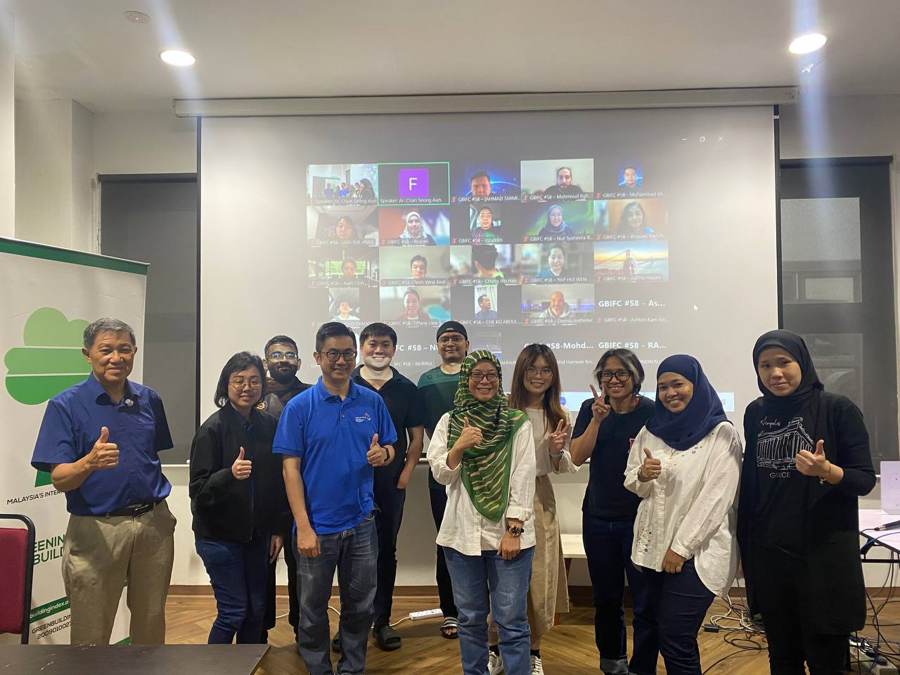
GBI Facilitator Course 58 candidatesGBIFC #58 candidates in session
The GBIFC 58 online examinationThe examination, conducted online
GBI Facilitator Programme in Numbers
IndicatorFigureNotes
Facilitator courses held to date58Latest: GBIFC #58, April 2026, first hybrid batch
Total course participants3,600+Since the programme began
Candidates passed2,500+As of August 2026; updated figure to follow
Registered GBI Facilitators1,280As of August 2026; updated figure to follow

The course covers all GBI tools and application procedures across nine modules. The examination comprises a one-hour multiple choice paper and a group project presentation, with 75% course attendance as a prerequisite.

21
Courses and CPD

Courses delivered with the supporting institutions

GBI training runs in partnership with the professional institutions. Two programmes stood out this quarter, one on why healthy buildings pay for themselves, the other taking the facilitator course south to Johor.

Designing for health: the impact of salutogenesis on your profitability

PAM Professional Practice Talk · 23 May 2026 · Dewan President, PAM Centre · 4 LAM CPD points

Most building standards are written to stop buildings making people unwell. Salutogenesis asks the opposite question: what would a building have to do to actively make people healthier? Coined by the medical sociologist Aaron Antonovsky, the idea has been carried into architecture by Prof. Alan Dilani, founder of the International Academy for Design and Health, who delivered this afternoon talk at PAM Centre.

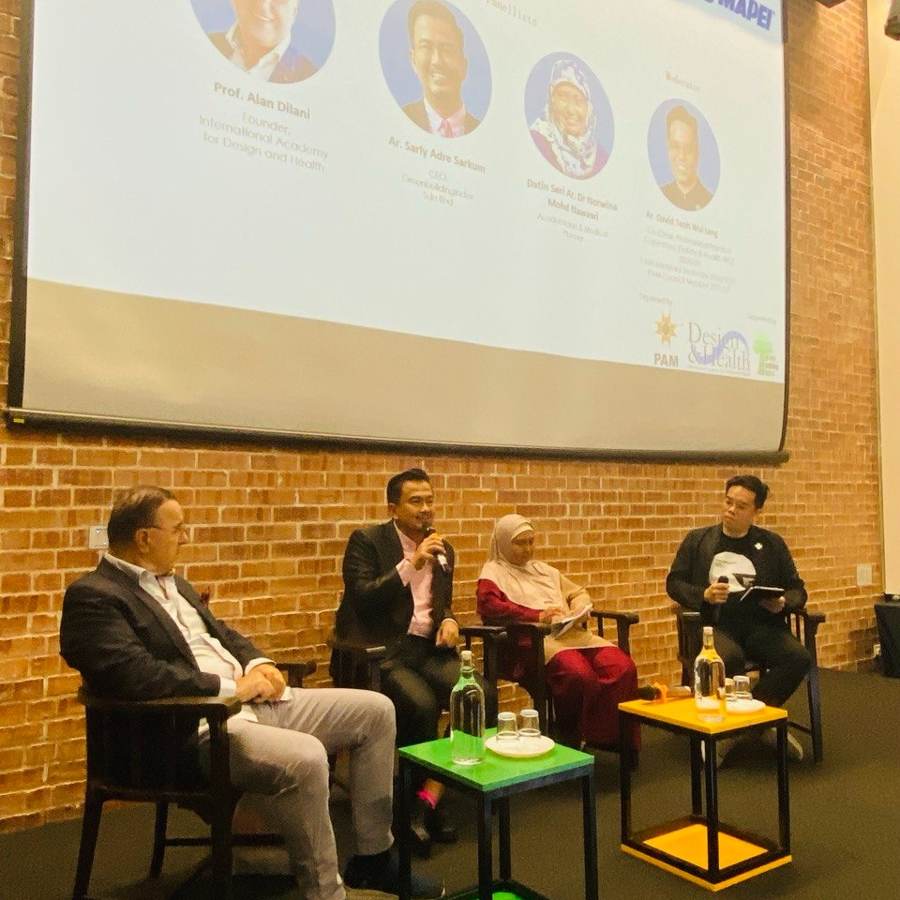
GBI CEO Ar. Sarly Adre Sarkum joined the panel alongside Datin Seri Ar. Dr Norwina Mohd Nawawi, the academician and medical planner. The session put a commercial case beside the clinical one: daylight, air quality, acoustics and connection to nature are not soft benefits but measurable contributors to productivity, retention and asset value.

That argument runs directly through the GBI score sheet. Indoor Environmental Quality has been one of the six assessment criteria since 2009, and NRNC Version 2.0 pushes it further with continuous indoor air quality monitoring, climate-based daylight modelling and reduced flicker in LED lighting. The talk drew a full room and streamed on Facebook Live. GB

The Designing for Health panel at PAM Centre The panel at PAM Centre, 23 May
GBI Facilitator Course 58 in session GBIFC #58 in session

GBIFC #58 at a Glance

Dates 17, 18 and 19 April 2026, 8am to 6pm
Venue EduCity Hub, Iskandar Puteri, Johor
Platform In person and via Zoom
With PAM Southern Chapter
CPD 12 GBI CPD points, HRD Corp claimable
Fees RM1,000 affiliated, RM1,200 government, RM1,500 public, before SST

The facilitator course heads south to Iskandar Puteri

GBI Facilitator Course #58 · 17 to 19 April 2026 · EduCity Hub, Johor · with PAM Southern Chapter

Running the course at EduCity Hub in Iskandar Puteri put it within driving distance of Johor's design community, and the simultaneous Zoom room meant nobody elsewhere had to wait for a batch to reach them.

The structure follows the shape of an assessment. Day one covers the ground: the GBI framework, the rating tools from NRNC and NREB through RNC v3, township and interiors, plus green cost, tax incentives and the submission procedure. Day two is passive design, where the building fabric does the work. Day three turns to active systems, from lighting and renewable energy to HVAC design and the indices that decide a project's BEI.

Candidates intending to register must attend at least nine of the modules before sitting the examination. The course itself is open to Board-registered architects, engineers and quantity surveyors, and to building-discipline graduates with three years of experience. GB

22
Seminars and Knowledge Sharing

A quarter of teaching moments

Between the big launches, GBI spent the quarter doing what it has always done quietly: teaching the industry, one room at a time.

In May, GBI supported the PAM seminar "Designing for Health: The Impact of Salutogenesis on Your Profitability", which examined how design for health and wellbeing pays for itself in occupant productivity and business value.

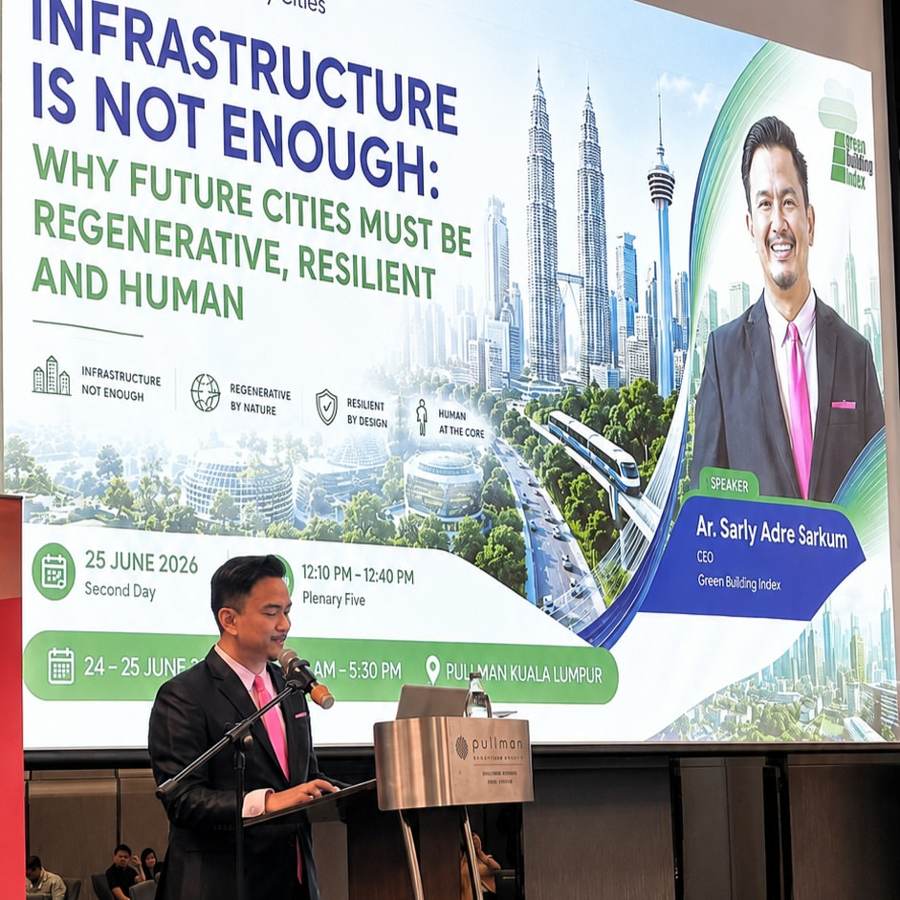
In June, CEO Ar. Sarly Adre Sarkum delivered the keynote at AI Build & Interiors Connect 2026 on architects in the age of AI, arguing that AI will not replace architects, but architects who use AI will replace those who do not. The same week, he presented at The Star's Future Cities forum on why infrastructure alone is not enough, and why regenerative, human-centred urban development has to come with it.

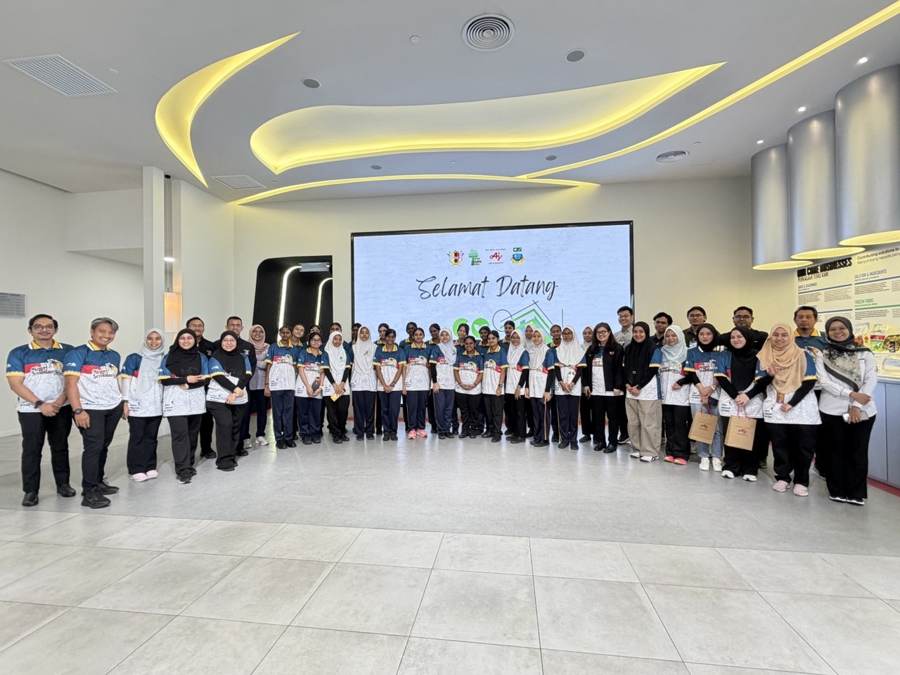
GBI also collaborated with Majlis Bandaraya Seremban, Ajinomoto and Conevo Green Consultancy on a sustainability education programme that brings secondary school students to a GBI certified facility, because the pipeline of green professionals starts well before university. The Go Green programme convened again on 4 August, with a fresh cohort of students touring a certified building and hearing first-hand how the ratings on this magazine's pages get earned. GB

Keynote at AI Build and Interiors Connect 2026AI Build & Interiors Connect keynote, 23 June

Quarter in Numbers

  • Keynotes and panels: 4 major engagements
  • GBIFC #58 examination: 44 candidates
  • Student programmes: UiTM Penang, MBS schools
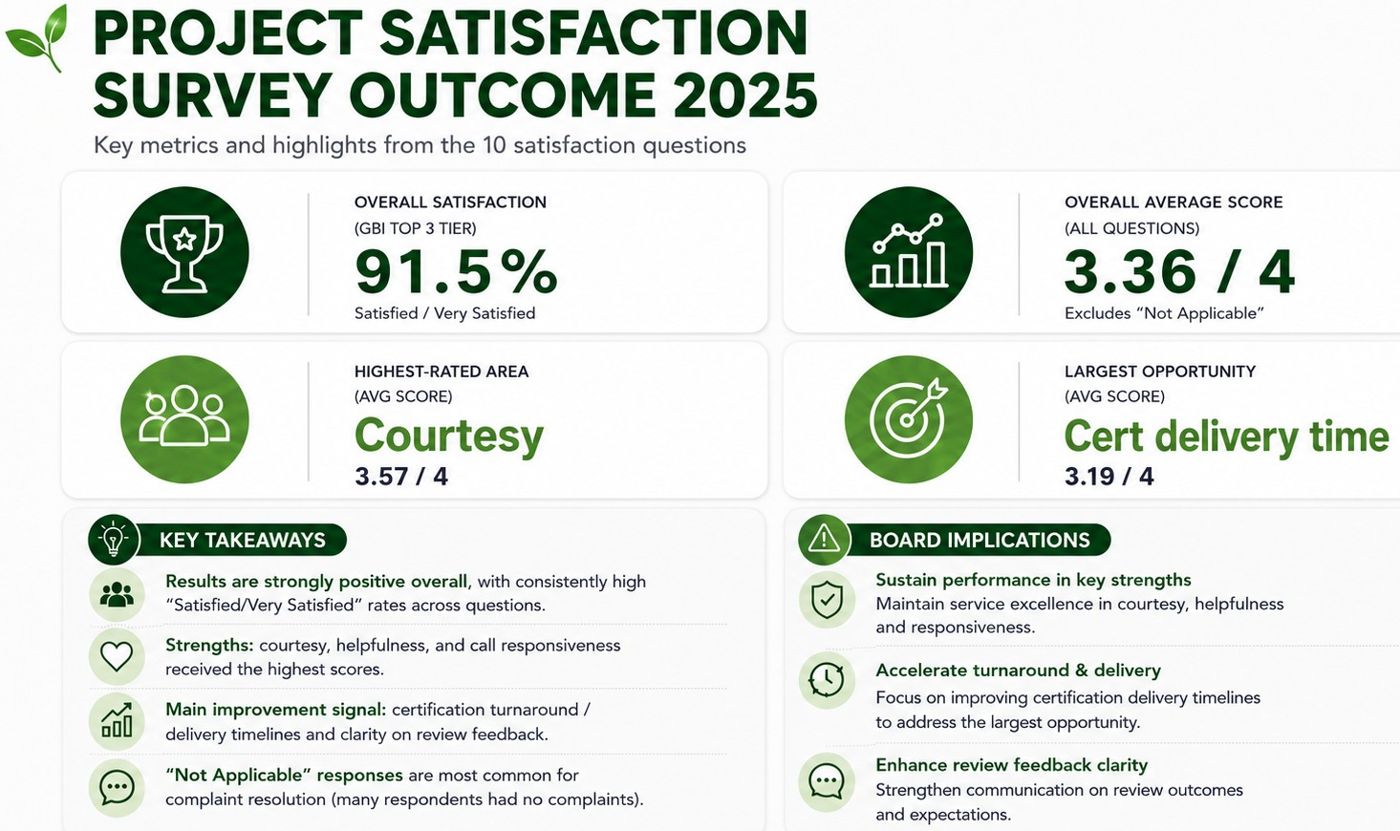
  • 2025 satisfaction survey: 91.5% satisfied
The Star Future Cities forum session cardThe Star's Future Cities forum, 24 to 25 June
Go Green with Majlis Bandaraya SerembanGo Green with MB Seremban, 4 August

Still to come: the seminar programme runs through the rest of the year, starting with the MS 1525 workshop on OTTV and roof U-value calculation for architects at PAM Centre on 12 September, co-organised with PAM. The full calendar is on the inside back page.

23
The NRNC Version 2.0 soft launch at GBI Townhall 2026
08 · GBI Townhall 2026

The family meeting: GBI Townhall 2026

Once a year, GBI puts down the assessment forms and asks its own community how it is doing. The 2026 Townhall brought facilitators, certifiers, board members and staff into one room, and it delivered two things: an unfiltered conversation, and the first public look at NRNC Version 2.0.

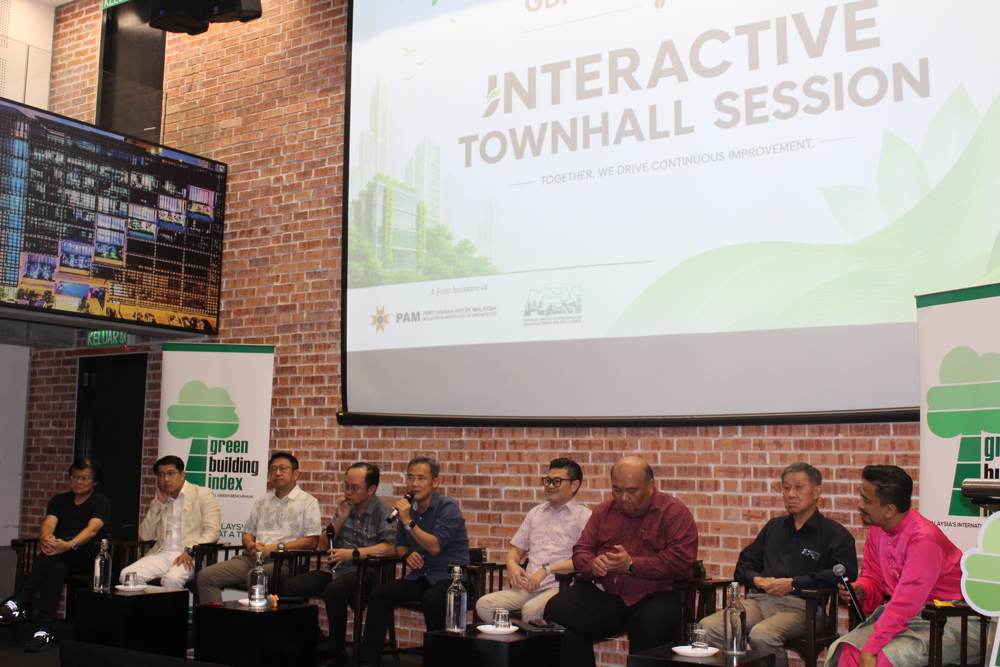
The interactive townhall session was the heart of the day. Questions came from the floor on assessment turnaround times, communication during reviews, and where the tools are heading next; the GBI Board, Accreditation Panel and management took them live on stage. The feedback and priorities identified that afternoon fed directly into the year's work programme: strengthening transparency, improving the stakeholder experience, and building a more responsive and inclusive organisation.

The townhall also hosted the soft launch of NRNC Version 2.0, months before its official debut at Datum GBI. Draft scoring, prerequisites and new features went in front of the practitioners who would use them, and their comments shaped the refinements that followed, right up to the version launched on 29 July. The story of what changed, told by the tool's development head, starts on page 9.

A second sitting is already on the calendar: GBI Townhall 2026 2.0 convenes at PAM Centre on 24 October. If this year's session is any guide, come with questions. GB

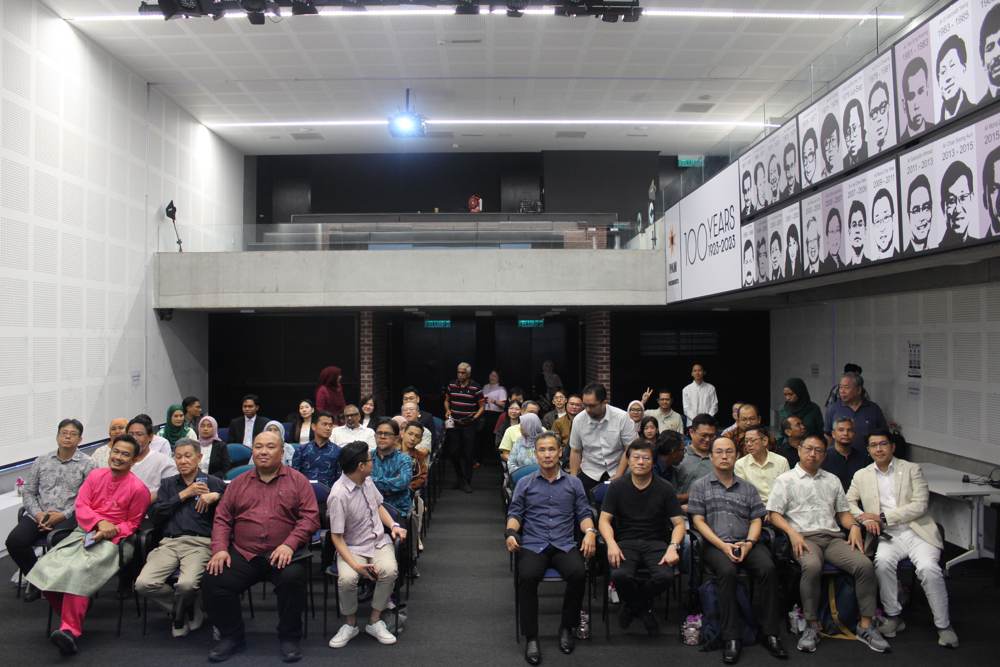
The townhall audience at PAM CentreThe community in the hall at PAM Centre
The interactive townhall panelThe interactive session on stage
24
08 · GBI Townhall 2026 · GBIF Appreciation

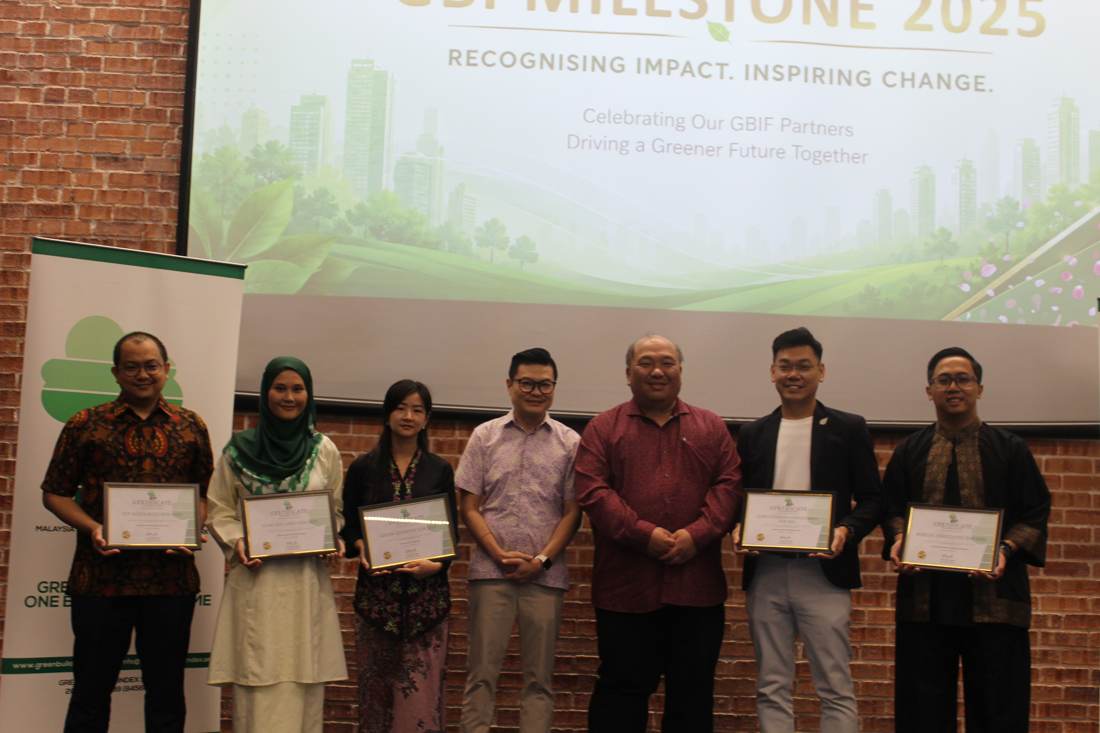
Appreciation of GBIF contributions to GBI Milestone 2025

Behind every certification is a team of dedicated professionals translating sustainability aspirations into tangible outcomes. At the Townhall, GBI recognised the facilitators and organisations behind the 2025 milestones.

Special Recognition, GBI Milestone 2025
AwardRecipientRecognition
Green Leadership in Practice AwardGamuda Land Sdn BhdDemonstrated leadership in sustainability by certifying its own building with a GBI Gold rating
Certification Advancement Award 2025STF Resources Sdn BhdCertified its own building and advanced its GBI rating, an example of continual improvement
Highest Rated Award 2025Green Quarter Sdn BhdHighest level of GBI certification performance in 2025. GBIF: Ir. Julian Saw
Highest Carbon Reduction Impact Award 2025BGreen Associates Sdn BhdProjects delivering more than 53,000 tonnes of carbon emissions reduction per annum. GBIF: Ar. Michael Ching Chee Hoong, Ir. Tan Kok Kwan and Ir. Wong Kiat Chong
Largest Green Footprint Award 2025Conevo Green Consultancy Sdn BhdLargest certified green footprint in 2025, totalling 6.79 million sq ft. GBIF: Ts. Lim Vincent, Mr. Baylon Tham Wai Leong and Ms. Oo Lay San
Award presentation
Award presentation
The recognised GBIF organisations on stageThe recognised organisations

With thanks to the contributing GBIF organisations of 2025

AESD Consulting Sdn Bhd · AHAR Consultants PLT · AI4Good Sdn Bhd · AL Perfect Design Sdn Bhd · Alistidama Practice Sdn Bhd · Arkitek Daya Seni · Arup Jururunding Sdn Bhd · BGreen Associates Sdn Bhd · BSD Consultancy Sdn Bhd · Burhand Engineering Sdn Bhd · Conevo Green Consultancy Sdn Bhd · Creative Environments · David Ong Architect · DME Solutions Sdn Bhd · EAG Consulting Sdn Bhd · Exergy CX Sdn Bhd · Fenestra Green · G Energy (M) Sdn Bhd · Gamuda Land Sdn Bhd · GBI Innovation Sdn Bhd · GBS Green Building Services · GEN Engineering Consultants Sdn Bhd · Grandeur Engineering & Solutions · Greatians Consulting Sdn Bhd · Green Acres Environment PLT · Green Quarter Sdn Bhd · Greenscapes Sdn Bhd · HTS Engineering and Consultancy Services Sdn Bhd · IEN Consultants Sdn Bhd · KAER Sdn Bhd · LJ Energy Sdn Bhd · M Design Practice Sdn Bhd · MEG Consult Sdn Bhd · Nurul Imran Resources · Prudenergy Consulting Sdn Bhd · Ramboll Pte Ltd · STF Resources Sdn Bhd · T. R. Hamzah & Yeang Sdn Bhd · TKCA Architects Sdn Bhd · VERITAS Environment Sdn Bhd

GBI congratulates and thanks every facilitator and organisation for their continued partnership. Together, we are Greening Malaysia, One Building at a Time. GB

25
Tool Launch · 24 July 2025

Before NRNC came the Data Centre: how Tool Version 2.0 set the stage

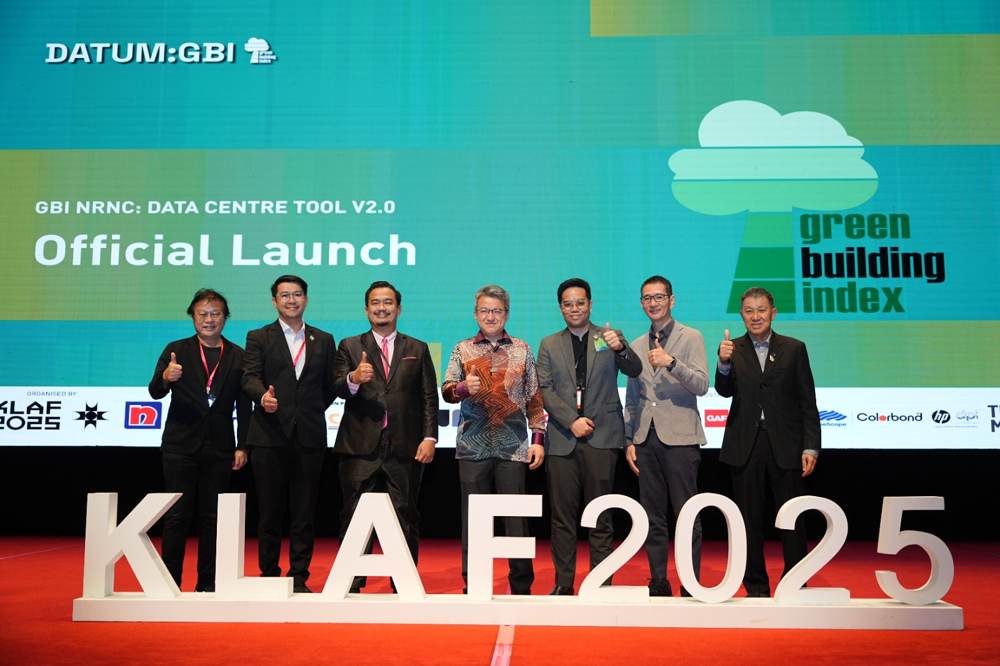
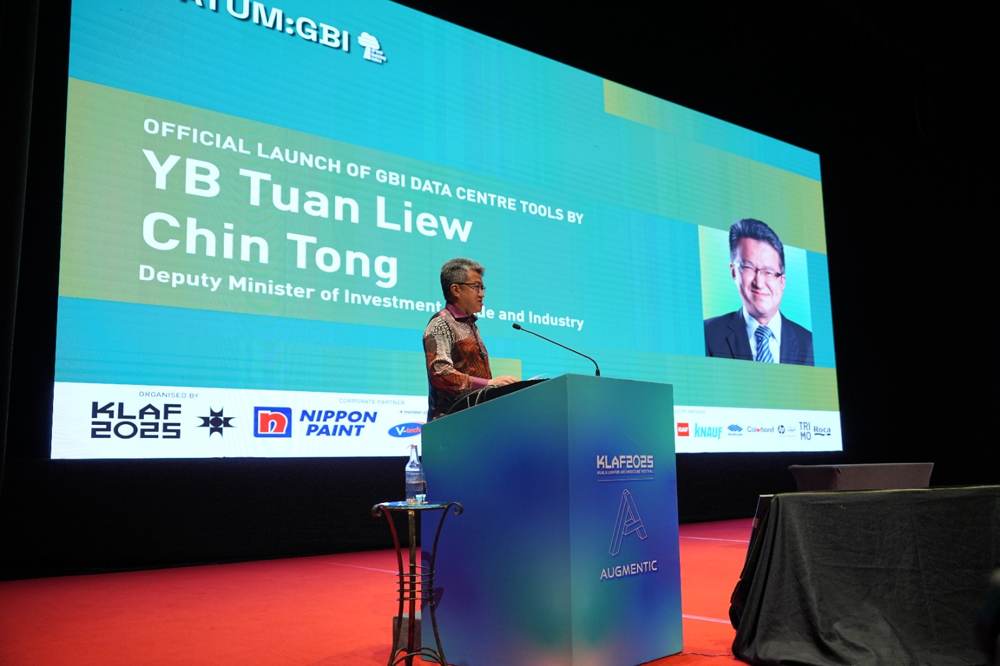
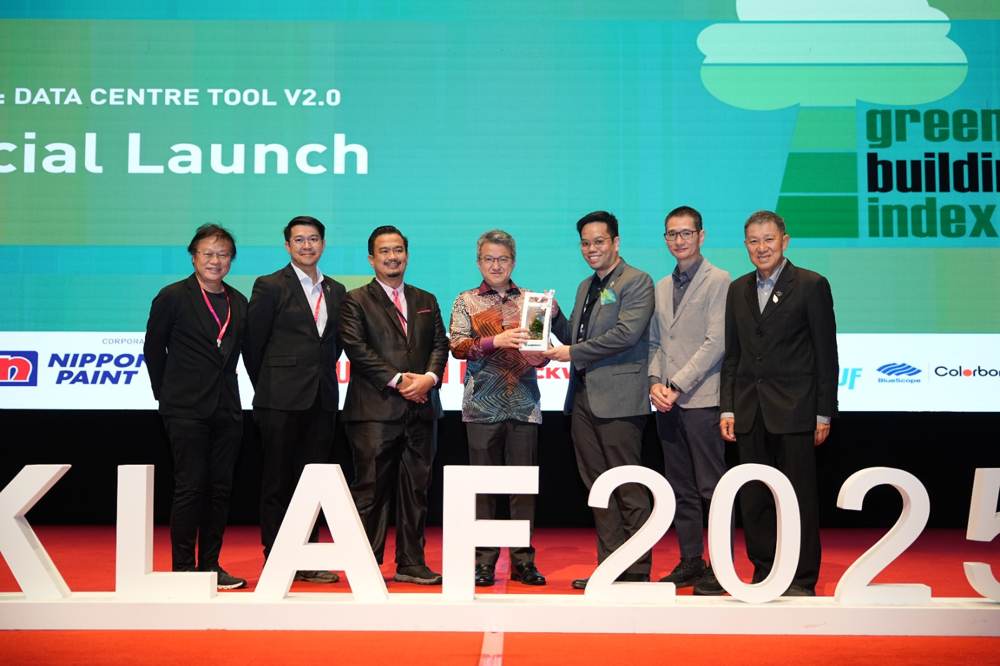
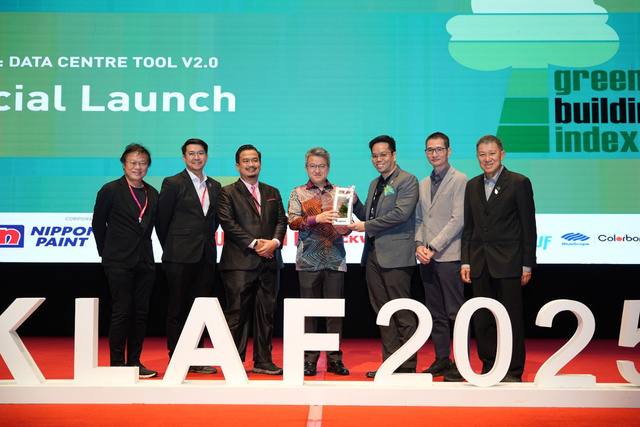
Green Beats has been away, so some milestones deserve a proper telling. A year before the NRNC launch, GBI launched the NRNC Data Centre Tool Version 2.0 at KLAF 2025, officiated by YB Tuan Liew Chin Tong, Deputy Minister of Investment, Trade and Industry.

Data centres are the fastest-growing energy consumers in the country, and the tool meets them where they are. It assesses Power Usage Effectiveness, Water Usage Effectiveness, carbon offset strategies, renewable energy generation, embodied carbon and sustainable commuting, a performance-based framework built for the Malaysian context.

Launch of the GBI Data Centre Tool V2.0 at KLAF 2025The launch on stage at KLAF 2025

Speaking at the launch, the Deputy Minister described the tool as "a comprehensive, performance-based framework designed specifically for the Malaysian context", one that addresses critical sustainability concerns in a sector known for high consumption.

The tool has since been carried into GBI's technical seminar series and the national conversation, with GBI now contributing to the working group drafting Energy Efficiency Rating Guidelines for Data Centres under the EECA 2024. As Malaysia's digital economy grows, the certification framework for its most power-hungry buildings is already in place, and already in its second version. GB

Why it matters now: the Data Centre tool introduced carbon offset, pocket forest, drought contingency and embodied carbon provisions that foreshadowed the thinking in NRNC Version 2.0. Read Ir. Au Chong Hun's account of that evolution on page 9, and the full technical feature on the Data Centre tool later in this issue.

YB Tuan Liew Chin Tong at the launch podiumYB Tuan Liew Chin Tong officiating
The launch moment on stageThe launch moment
26
09 · GBI Updates · Partnerships

Shaking hands: the partnerships extending GBI's reach

Six agreements signed since early 2025, each adding something different: commissioning expertise, retrofit financing, utilities infrastructure, education, regional reach and state-level adoption.

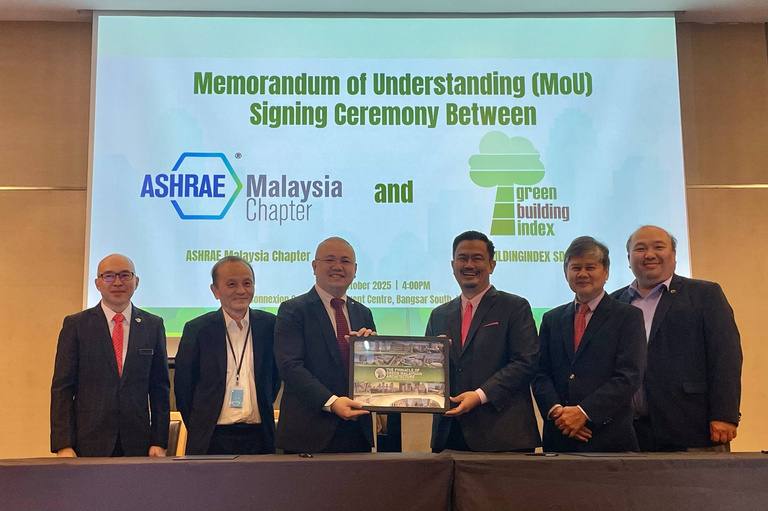
ASHRAE Malaysia Chapter · 24 October 2025

Signed at the Connexion Conference Centre in Bangsar South by Mr. Law Kok Zhen, President of the ASHRAE Malaysia Chapter, and Ar. Sarly Adre Sarkum for GBI, witnessed by Ir. Chen Thiam Leong and Ir. Anuar bin Mohd Aris. The centrepiece is the Integrated Commissioning for Sustainable Buildings (iCXS) Course, a joint programme that connects green rating requirements to commissioning practice, so that systems perform as designed from day one through operation. The MOU also frames joint seminars, training and knowledge sharing across the professions.

MOU signing between GBI and ASHRAE Malaysia ChapterThe ASHRAE signing

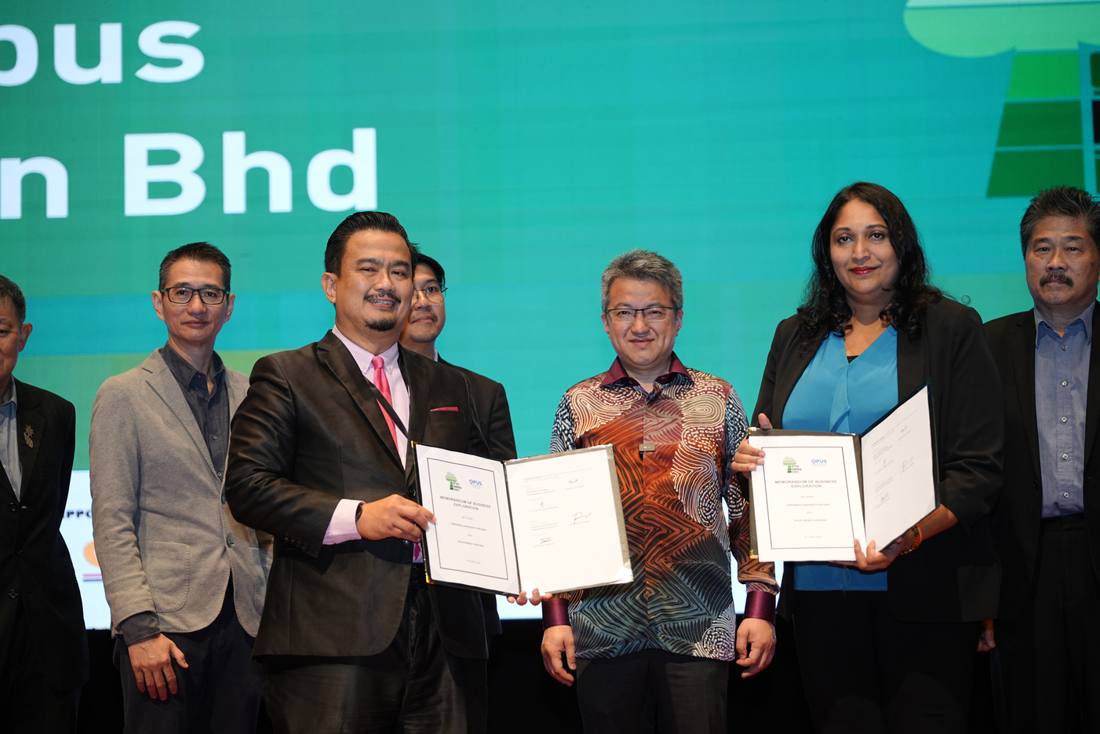
Opus Energy Sdn Bhd · KLAF 2025

A Memorandum of Business Exploration with Malaysia's largest Energy Service Company, exchanged at KLAF 2025. Represented by Miss Kaveta A/P Chelliah for Opus Energy and Ar. Sarly for GBI, witnessed by Ir. Vincent Tang, Ar. Dr. Tan Loke Mun, Ar. David Teoh Wui Leng and Ar. Axxu Hoi Jung Wai. The partnership pairs GBI certification with Opus Energy's zero-capex green retrofit model, which lets asset owners fund efficiency upgrades from the operational savings they produce. "Bankable, data-driven outcomes aligned with national sustainability goals," as Ir. Vincent Tang, Director of Opus East Malaysia, put it.

MoBE exchange between GBI and Opus EnergyThe Opus Energy exchange

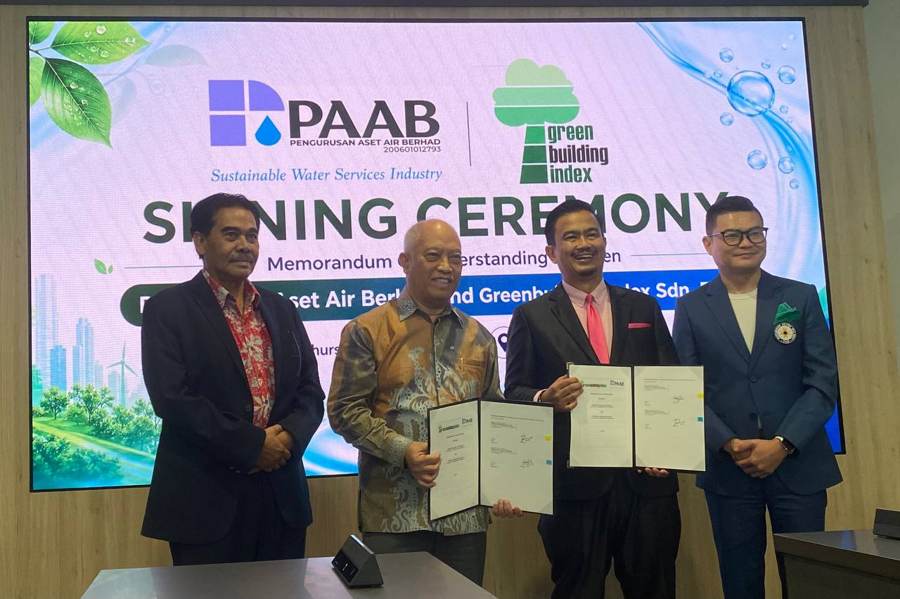
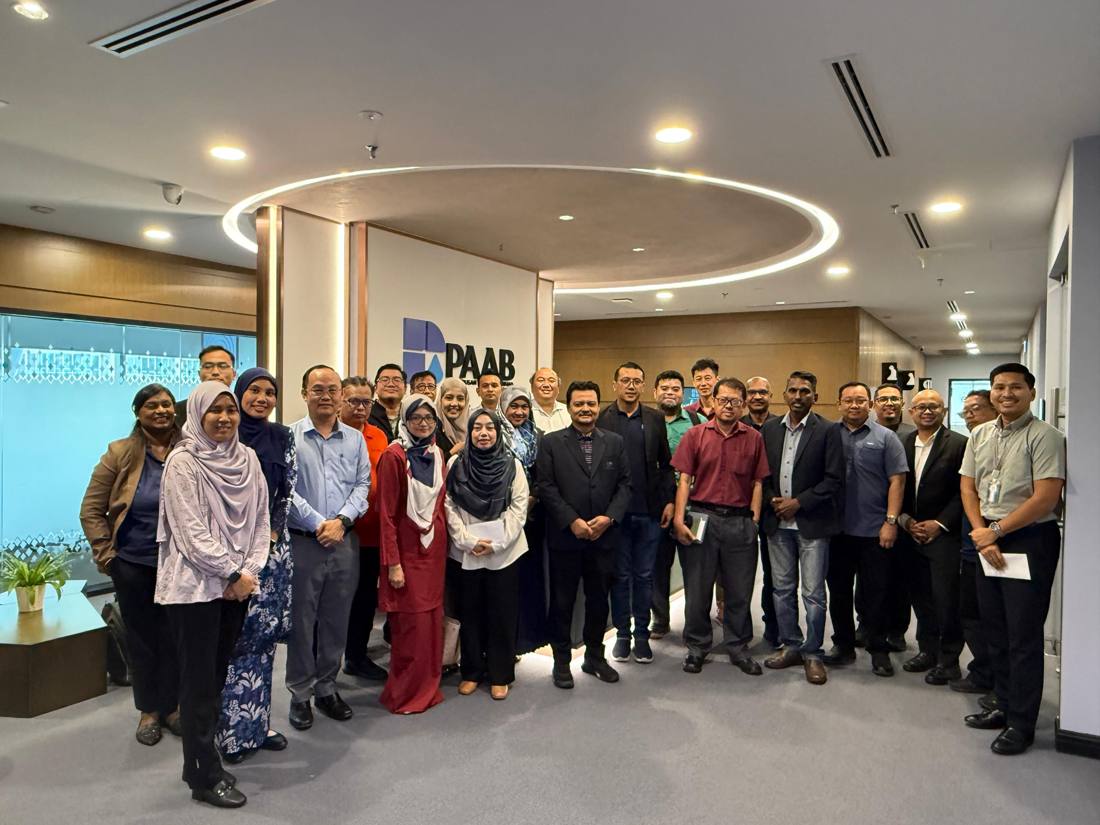
Pengurusan Aset Air Berhad · 21 May 2026

The agreement behind the biggest tool in GBI's pipeline. GBI and PAAB signed their MOU to jointly develop an integrated Utilities Management Tool, the first collaboration of its kind in Malaysia, extending green assessment from buildings into the water infrastructure that serves them. A Joint Technical Group is now working through the draft 100-point framework with state water operators, and the tool is targeted for launch before the year is out.

MOU signing between GBI and PAABThe PAAB signing ceremony
Continues on next page
27
09 · GBI Updates · Partnerships · Continued

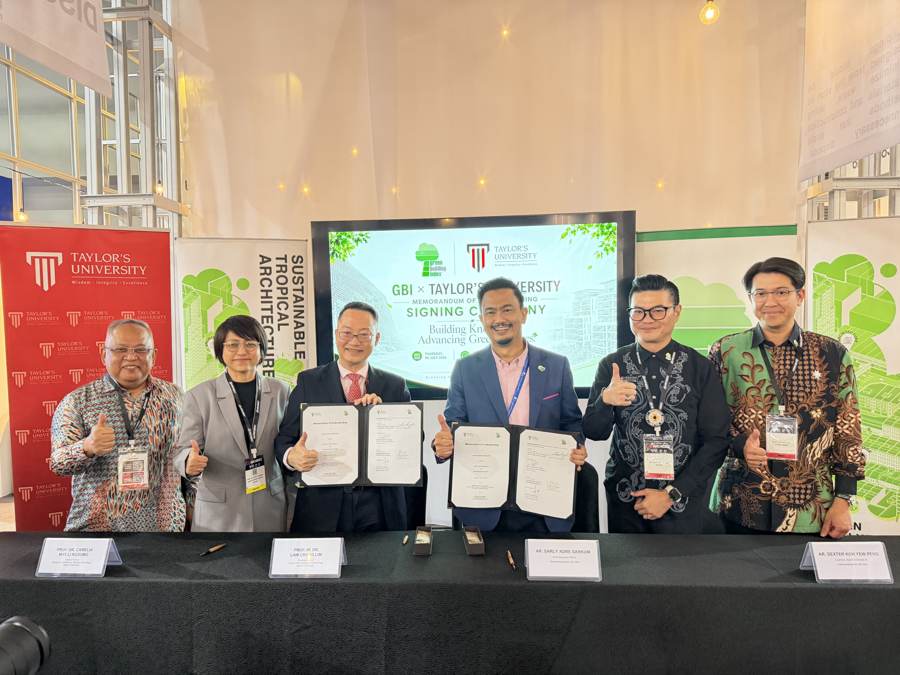
Taylor's University · 30 July 2026

The newest signature on the list, inked the day after Datum GBI. The MOU with Taylor's University brings green building certification into the lecture theatre: collaboration on curriculum, student exposure to live GBI projects, and a channel for research to flow between academia and the certification framework. The professionals who will carry the 600 million square foot target home are in classrooms today, and this agreement goes looking for them there.

MOU signing between GBI and Taylor's UniversityThe Taylor's University signing, 30 July

BEAM Society Limited, Hong Kong · 26 June 2025

Two independent certification bodies, one mission. The MOU with BEAM, signed by Ar. Sarly for GBI and Ir. Chi Shing Ho, General Manager of BEAM Society Limited, commits Malaysia and Hong Kong's rating tools to sharing knowledge, co-developing training and research, and comparing notes on rating system innovation. For GBI Facilitators and Certifiers, it opens a channel to one of Asia's most established green building schemes.

MOU signing between GBI and BEAM Hong KongThe BEAM signing

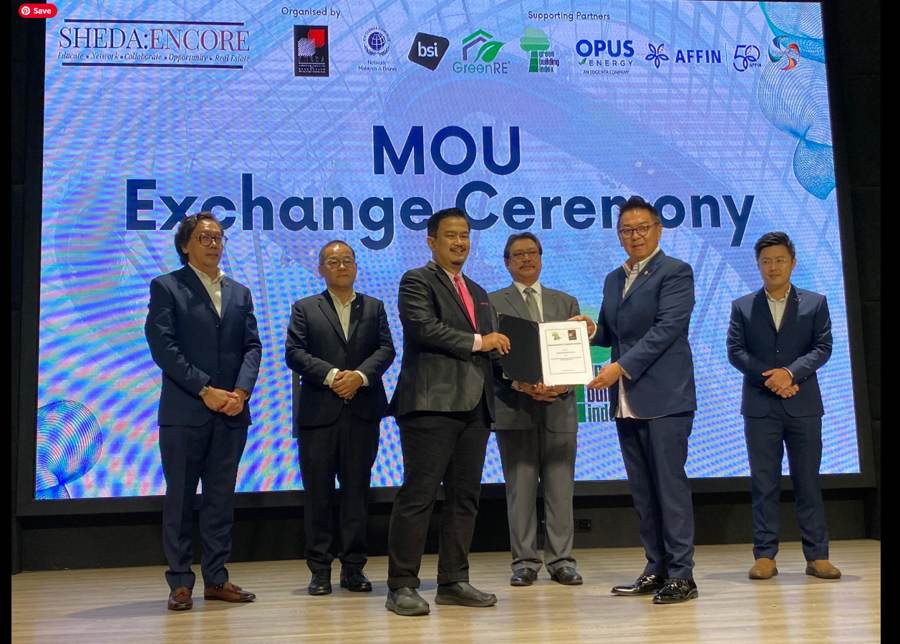
SHEDA, Sarawak · 24 February 2025

Exchanged in Kuching in conjunction with SHEDA: Encore!, officiated by Mr. Augustine Wong Chung Ho, President of the Sarawak Housing and Real Estate Developers' Association, and witnessed by YB Datuk Dr Haji Hazland bin Awang Hipni, Deputy Minister for Energy and Environmental Sustainability. The agreement gives Sarawak's developers a structured platform for green building knowledge, capacity building and industry engagement. It has aged well: within eighteen months, Sarawak celebrated its first GBI certified industrial building, a story you can read on page 14.

MOU exchange between GBI and SHEDAThe SHEDA exchange, Kuching

The thread that ties them: none of these agreements is about paper. Each one adds working capacity to the ecosystem: commissioning skills through iCXS, retrofit financing through Opus Energy, a utilities framework through PAAB, tomorrow's professionals through Taylor's, regional benchmarking through BEAM, and a developer network in East Malaysia through SHEDA. This is how a rating tool becomes an industry. GB

28
Feature
Taming the giants: inside the Data Centre Tool v2.0

by the GBI Tool Development Team

The Scale of the Problem

A 300 MW data centre at full capacity consumes roughly twice the electricity of Muar, and about 30% of the town's domestic water supply.

The Tool in Brief

Developed with input from more than 30 experts across the data centre and sustainability sectors. The most stringent green rating system for data centres in Malaysia, and one of the toughest of its kind in Asia.

Benchmarks

PUE driven down as low as 1.26.
WUE driven down as low as 1.36, the strictest benchmark in the region.

Data centres can drain a town or drive an industry forward. The difference is the framework.

The growth of data centres in Malaysia over the past two to three years has been nothing short of exponential. The surge has brought serious investment into the country, and equally serious questions about energy and water.

The numbers put it in perspective. A single 300 MW facility at full capacity draws about twice the electricity of Muar, and nearly a third of the town's domestic water supply. New projects now regularly approach or exceed hundreds of megawatts. Ensuring data centres can grow without compromising national energy and water security has become urgent, and that is the job the GBI Data Centre Tool v2.0 was built to do.

The tool puts efficiency at its heart, and it refuses shortcuts. Power Usage Effectiveness carries 24 points, driving PUE down as low as 1.26; carbon offsetting earns only 5. The order is deliberate: efficiency first, renewables second, offsets last, so that no developer can simply buy their way to Net Zero without fixing how the facility actually consumes. Unlike prescriptive systems, the tool leaves the route open, rewarding whatever mix of strategies genuinely lowers PUE, operating cost and capital expenditure together.

Water gets the same discipline. Water Usage Effectiveness carries 12 points, pushing WUE down to 1.36, the strictest benchmark in the region, and three further points reward a drought contingency plan, a feature unique to GBI's framework in this sector.

Continues on next page
29
Feature · The GBI Data Centre Tool v2.0 · Continued

Beyond the meter: carbon, people and resilience

Embodied carbon and circularity

The tool rewards projects that use materials with embodied carbon documentation, nudging suppliers toward transparency. It also incentivises circular construction: reuse, recycling, design for deconstruction, and renewable materials like bamboo and timber, pushing the industry closer to a circular economy.

Connectivity and development density

Data centres are often built in remote places, so the tool credits reductions in transport-related emissions: employee access to meals, flexible work options, EV charging points, and proximity to public transport all score.

E-waste and sustainable operations

With an e-waste crisis looming over the industry, the tool rewards responsible e-waste management, sustainable battery practices and zero-carbon backup power, extending sustainability across the full life cycle of a facility.

Health, wellness and resilience

Beyond infrastructure, the tool considers people. It encourages indoor air quality monitoring, pandemic preparedness, biophilic design, and even pocket forests for mental health and biodiversity. Climate resilience is built in too: trash screening, stormwater filtration and drought management strategies reduce flood risk and protect water resources through prolonged dry spells.

CERTIFIED
50 points · meets baseline expectations for new data centres
SILVER
66 points · exceeds minimums, progressing toward best practice
GOLD
76 points · comprehensive adoption, among top performers
PLATINUM
86 points · intentionally hard; a global benchmark

What PUE 1.26 means: energy overhead for every 1.00 kWh of computing

Typical legacy facility IT load 1.00 overhead 0.80 GBI tool target, PUE 1.26 IT load 1.00 overhead 0.26 Every point of PUE saved is cooling and power distribution energy that never has to be generated.
The Data Centre Tool launch groupThe tool's launch at KLAF 2025

Points That Talk

24 vs 5
points for PUE efficiency vs carbon offsets: you cannot buy your way to Net Zero
30+
experts from the data centre and sustainability sectors shaped the tool
Continues on next page
30
Feature · The GBI Data Centre Tool v2.0 · Continued

A statement of commitment, not just compliance

Data centres are usually cast as energy and water-hungry giants. With the right framework, they can become drivers of sustainability instead: pioneers in efficiency, clean energy, water stewardship and climate resilience. The GBI Data Centre Tool v2.0 provides that framework.

By prioritising efficiency first, renewables second and carbon offsetting last, it lays out a credible pathway toward Net Zero rather than a certificate of good intentions. Its water standards are among the toughest any rating tool in Asia asks of this building type.

A GBI-certified data centre is more than compliant. It is a statement that an operator is serious about climate responsibility and prepared to push the boundaries of innovation. For the wave of investment now arriving on Malaysian soil, this is the benchmark to aim for. GB

"Efficiency first, renewables second, offsets last. That order is the whole philosophy of the tool."
Technical briefing at the GBI office The tool now anchors GBI's technical briefings, including for visiting ASEAN delegations

GBI also contributes to the national Working Group drafting Energy Efficiency Rating Guidelines for Data Centres under the EECA 2024, carrying the tool's thinking into federal policy.

31
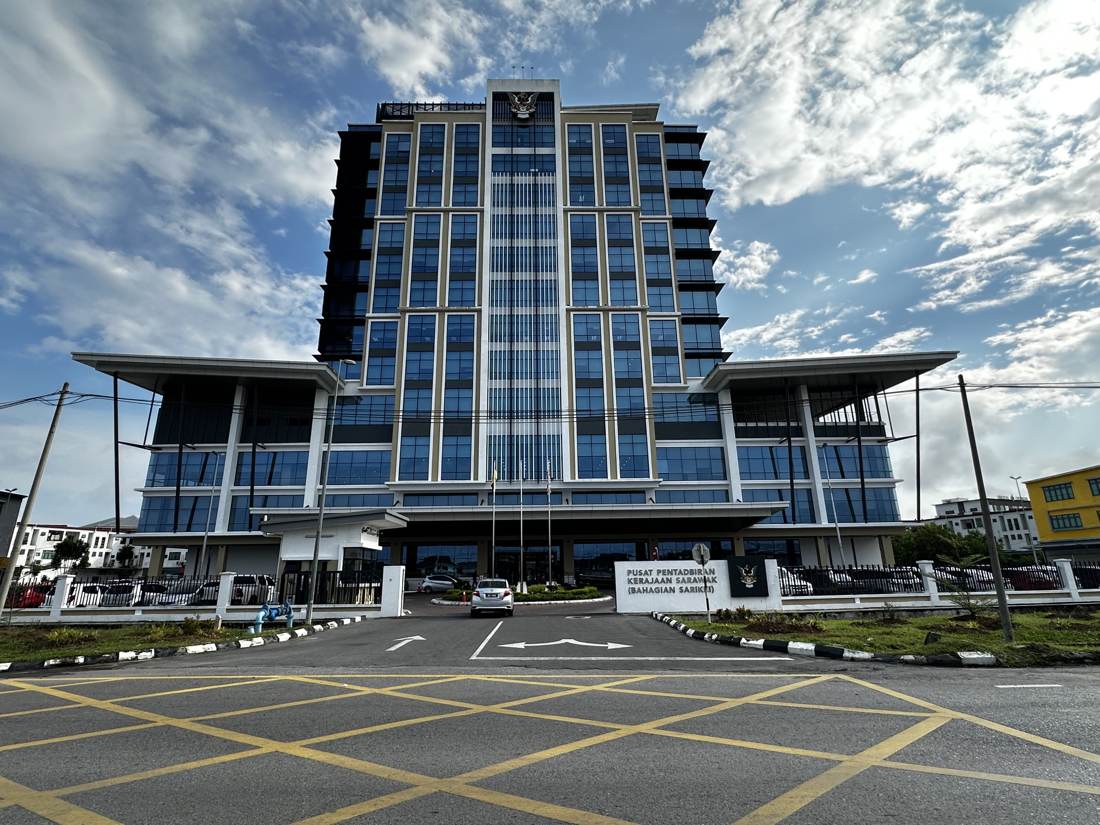
Pusat Pentadbiran Kerajaan Sarawak, Bahagian Sarikei
11 · Featured Project 01

Pusat Pentadbiran Kerajaan Sarawak,
Bahagian Sarikei

Sarawak Government administrative centre, Sarikei

GBI Certified NRNC Version 1.0 · Completion and Verification Assessment · 65 points

A newly constructed administrative centre with two parking levels and 12 office and shared-space floors, and a model for how a government building in East Malaysia can lead by example.

The headline number is its Building Energy Intensity: 57.4 kWh per m² per year, far beyond what conventional office buildings achieve. A high-performance facade and insulated roof keep the tropical heat out, LED lighting and motion sensors in common areas keep consumption down, and a qualified Commissioning Specialist made sure every energy system left the construction phase performing as designed.

Indoors, the building complies with ASHRAE ventilation requirements, uses low-VOC paints and coatings, controls daylight glare while keeping outdoor views, and runs CO2 monitoring throughout. Mould prevention was designed in from the start, and the whole facility is non-smoking.

Location
Sarikei, Sarawak
GBI Tool
NRNC Version 1.0
Rating
Certified · 65 points
Building Energy Index
57.4 kWh/m²/yr
Programme
12 office floors + 2 parking levels
Continues on next page
32
Featured Project 01 · Continued

Six criteria, one working building

Site and transport

The centre sits within walking distance of at least ten basic services, in a development density exceeding 20,300 m². An erosion and sedimentation control plan protected the site through construction, and priority parking rewards green vehicles and carpoolers.

Materials and resources

Reusable plastic formwork makes up more than 2% of total building material cost, and recycled-content material such as rebar exceeds 30%. More than half of all materials were sourced regionally, cutting transport emissions before the building ever opened.

Water

Water-efficient fittings cut potable water consumption by about 30%, backed by a monitoring and management system that catches leaks early and sends notifications when something is wrong.

Innovation

A real-time energy and water display keeps occupants aware of what the building is doing. Condensate water recovery and firewater recycling reduce potable demand, a Distributed Pumping System raises chilled water efficiency while eliminating conventional balancing components, and a car park guidance system trims the emissions of every arriving vehicle. GB

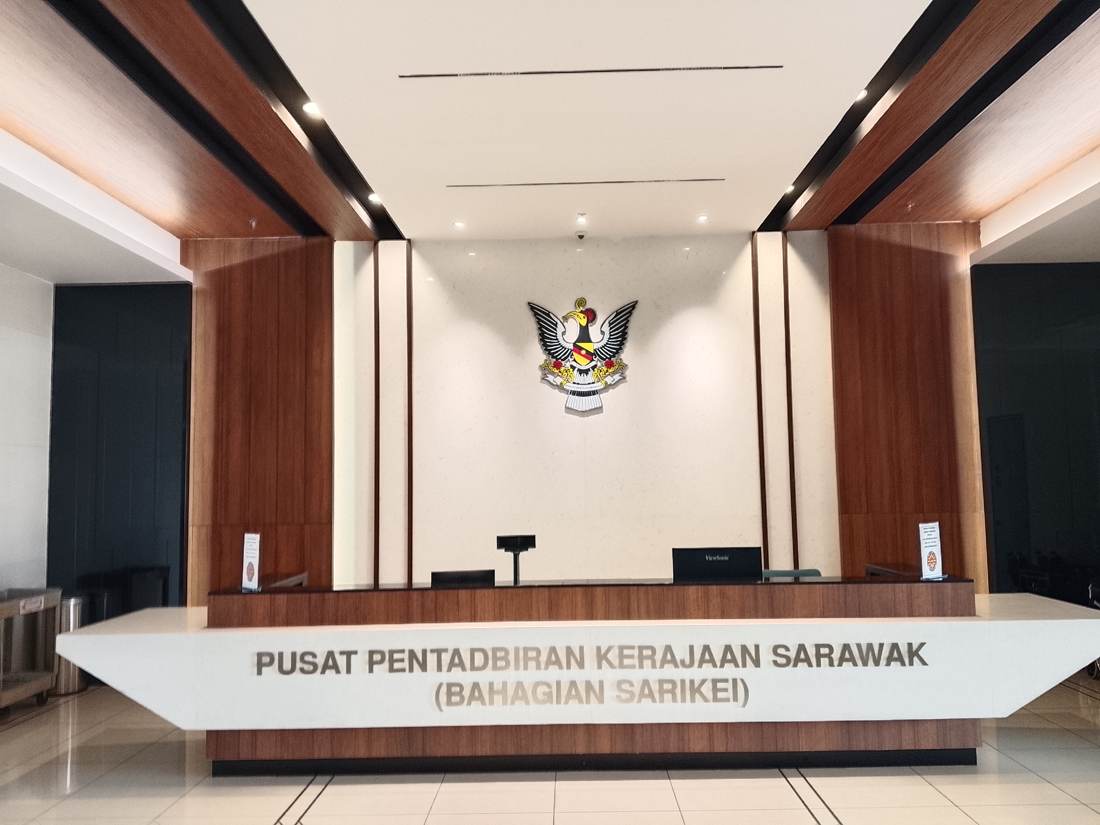
The main lobbyThe main lobby
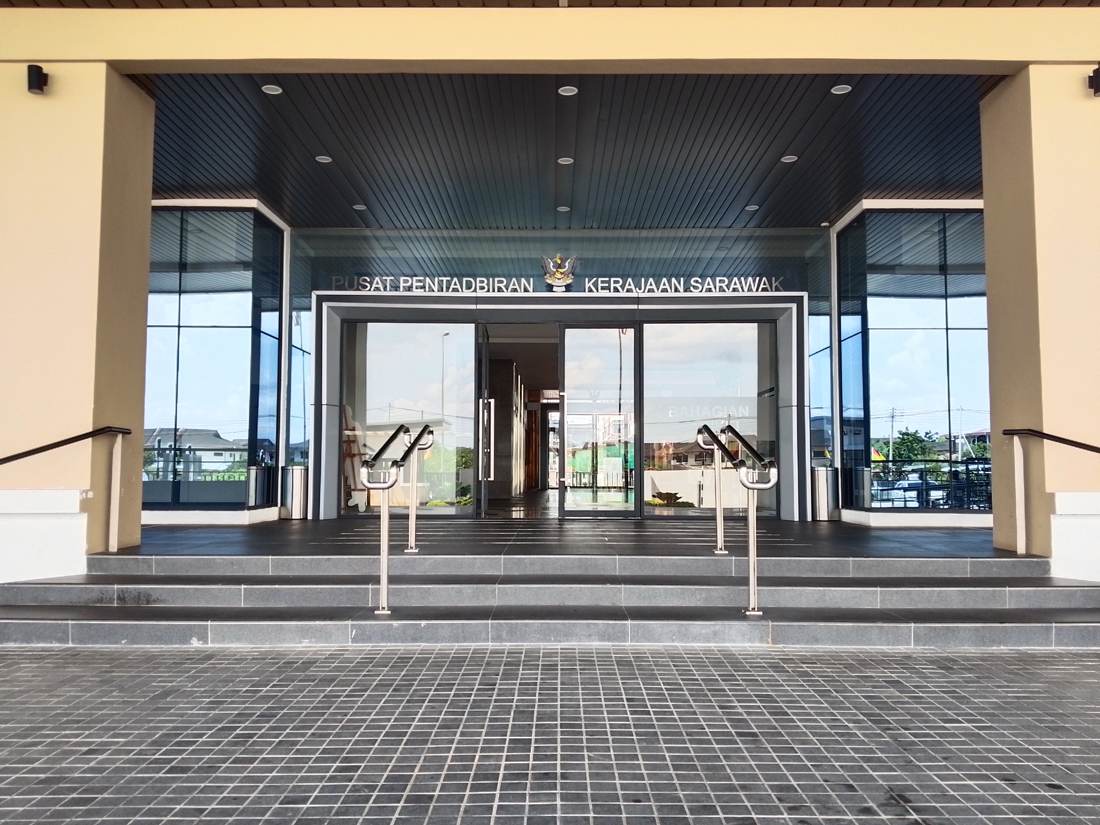
The entranceThe entrance drop-off

Sarikei by the Numbers

65
GBI POINTS
57.4
BEI, KWH/M2/YR
30%
POTABLE WATER SAVED
30%+
RECYCLED-CONTENT MATERIALS
50%+
REGIONALLY SOURCED

For scale: NRNC Version 2.0 now sets 180 kWh/m2/yr as its Building Energy Intensity prerequisite. Sarikei runs at less than a third of that.

33
Featured Project 01 · Continued

A benchmark for Sarawak's next wave

Sarikei is not the obvious address for one of Malaysia's better-performing green office buildings, and that is exactly the point. The green initiatives here reduce operating costs and environmental impact while giving civil servants a healthier working environment, and they set a benchmark for future commercial developments across the state.

With Sarawak's low-carbon agenda gathering pace, from the SWG Green Complex in Kuching to the state's 45 registered GBI projects, this administrative centre shows what the standard looks like when a state government builds for itself. GB

The building in its urban context The centre in its Sarikei context
The tower facadeThe high-performance facade

The East Malaysia Signal

Sarawak now holds 45 registered GBI projects, 28 of them rated, and the state's first certified industrial building opened in Kuching this June.

A government administrative centre performing at a 57.4 BEI tells every developer in the region that the standard travels well beyond the Klang Valley.

Assessment history: certified under GBI NRNC 2022 24 with the Completion and Verification Assessment finalised in 2026, scoring 65 points across Energy Efficiency, Indoor Environmental Quality, Sustainable Site Planning & Management, Materials & Resources, Water Efficiency and Innovation.

34
S P Setia Berhad Corporate HQ at dusk
11 · Featured Project 02

S P Setia Berhad
Corporate HQ

Setia Alam, Selangor · by S P Setia Berhad

GBI Platinum NRNC · Renewal and Verification Assessment #2 · 94 points · March 2026

Two renewal cycles, 94 out of 100 points, and a full 35-point score on Energy Efficiency. Setia HQ is what sustained performance looks like a decade in.

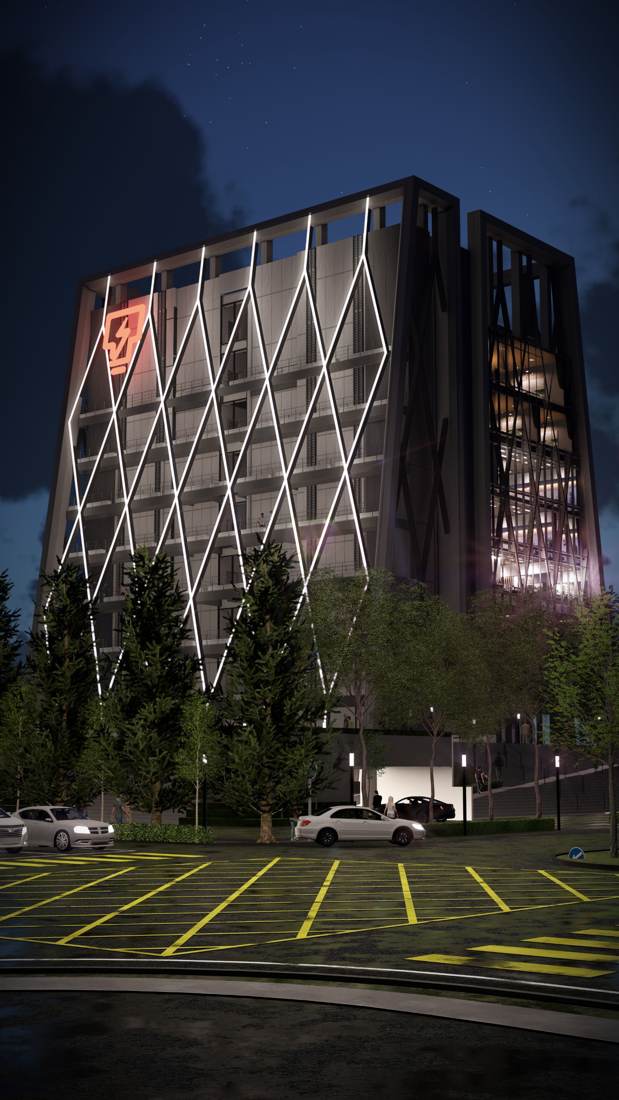
The building renewed its Platinum certification in March 2026 under conditions that would flatter any excuse: occupancy density rose sharply when staff from the Setia City Welcome Centre consolidated into the headquarters. The building held its champion Building Energy Intensity anyway, recording 100.71 kWh per m² per year without renewable energy, and 83.94 with it.

The indoor environment kept pace. Enhanced ventilation and sharper CO2 monitoring make the systems more responsive, daylight does real work across the floor plate with glare kept in check, and thermal and acoustic comfort are actively managed rather than assumed.

Location
Setia Alam, Selangor
GBI Tool
NRNC · RVA#2
Rating
Platinum · 94 points
BEI (with RE)
83.94 kWh/m²/yr
EE Score
35 / 35 points
Continues on next page
35
Featured Project 02 · Continued

The benchmark for existing green buildings

Around the building, extensive landscaping of native and adaptive species creates an ecologically responsive setting, supported by open space, public transport access, green vehicle priority and stormwater systems that manage both the quantity and quality of runoff.

The renewal period saw no major renovations, and that is a feature, not an absence: existing materials and furnishings were deliberately retained and reused. Water systems, from rainwater harvesting and efficient irrigation to leak detection, keep potable consumption low, while innovations layer on: condensate water recovery, heat recovery, non-chemical water treatment, advanced air filtration and EV charging.

The lesson of Setia HQ is patience. Thoughtful design, continuous improvement and disciplined management deliver long-term sustainability outcomes that no ribbon-cutting can. Received by Datuk Zaini Yusoff, Chief Executive Officer, at the June certificate presentation, the renewal reaffirms the building's position as the benchmark for high-performance existing buildings in Malaysia. GB

Setia HQ exteriorThe colonnaded facade
Setia HQ landscapeNative and adaptive landscaping
Setia HQ at nightThe headquarters at night: BEI of 83.94 kWh/m²/yr with renewable energy
36
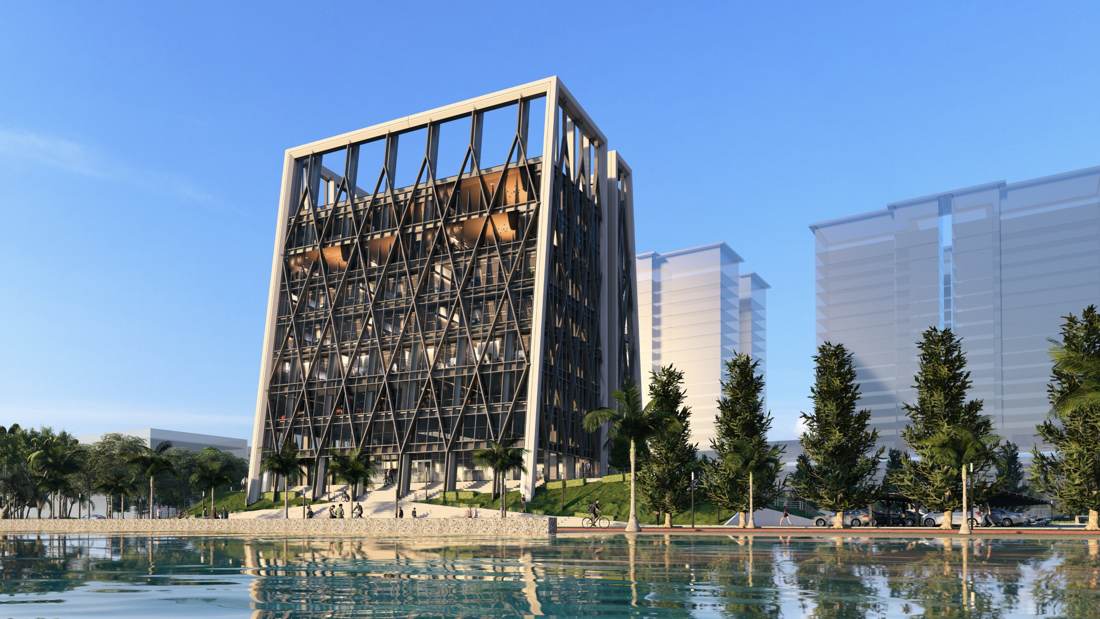
Menara TNB Terengganu by the water
11 · Featured Project 03

Menara TNB
Terengganu

KTCC, Kuala Terengganu · by Tenaga Nasional Berhad

GBI Gold NRNC · Design Assessment · May 2026

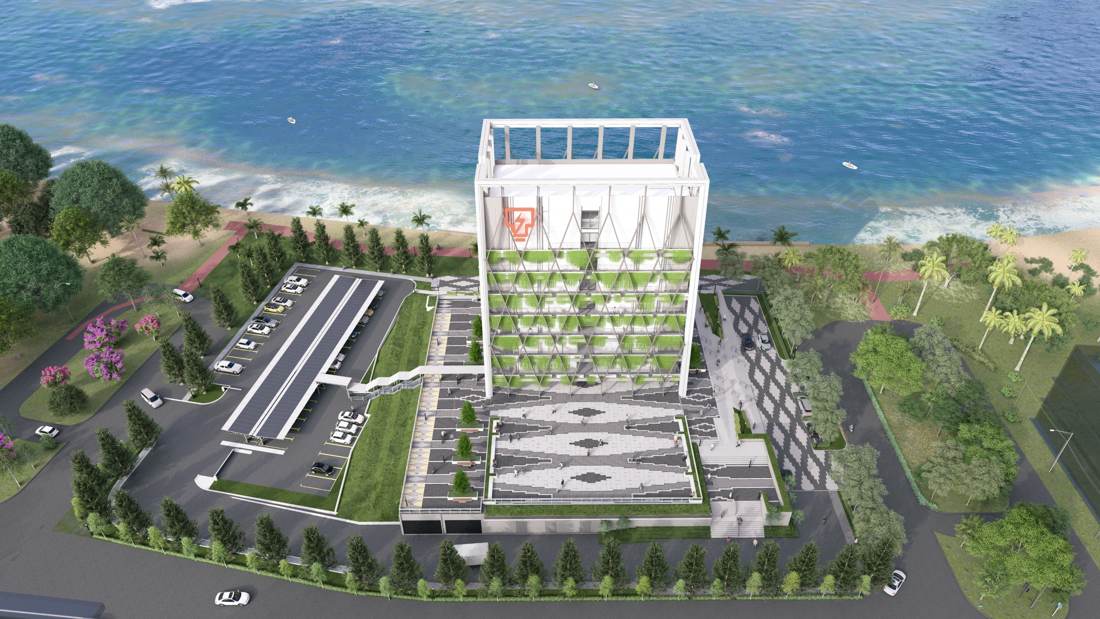
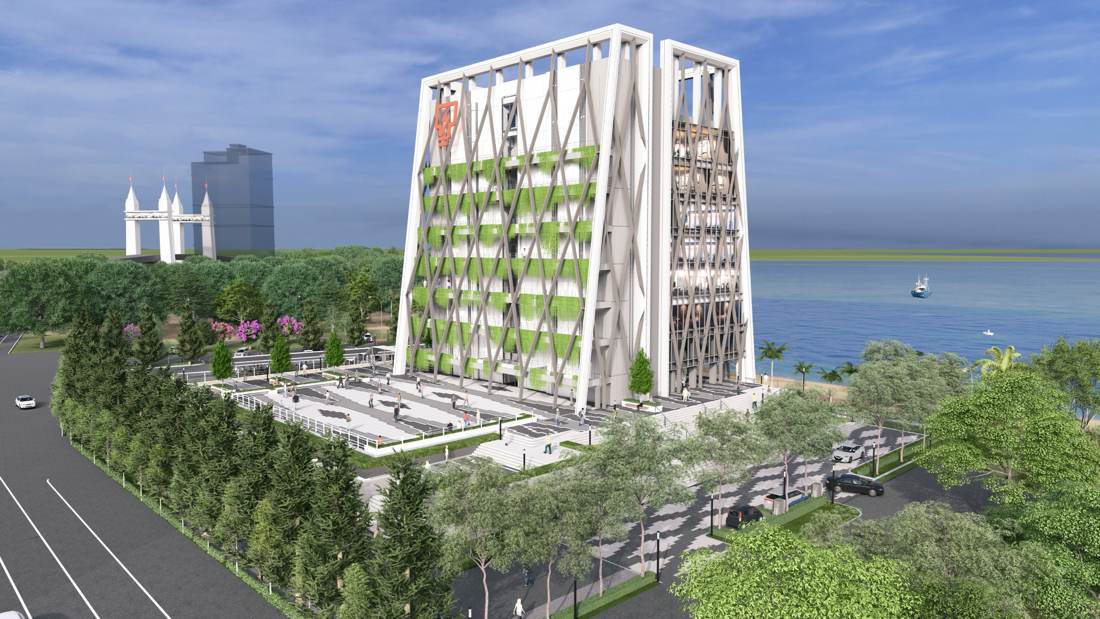
An inverted pyramid of glass by the marina, and the east coast's boldest statement yet that architecture can adapt sustainably to its landscape.

The 2.4-acre site sits beside the main thoroughfare to Jambatan Angkat within the KTCC development, facing the marina with an uninterrupted view of the sea. The office block rises above a double-volume public plaza on a raised podium, its high-efficiency glass-walled floors stacked as an inverted pyramid around a central atrium, wrapped in an exo-skeletal steel structure. The form does real environmental work: daylight reaches deep, external views open in every direction, and internal shading manages the glare.

Pedestrians pass through the development rather than around it, and the plaza gives Kuala Terengganu a genuinely public interactive space, with parking tucked below and beside.

Location
KTCC, Kuala Terengganu
GBI Tool
NRNC · DA (Provisional)
Rating
Gold
Site
2.4 acres, marina-front
Programme
Office tower + public plaza
Continues on next page
37
Featured Project 03 · Continued

The utility that practises what it powers

The building systems suit a landlord in the energy business. A VRV air conditioning system with fresh air intake runs under a building management system with real-time energy monitoring, using the latest refrigerants with zero ozone depleting potential. Fire protection uses clean agents or CO2 systems, again with zero ODP, and digital power meters feed every reading back to the BMS.

Photovoltaic panels on the carpark shades will partly power the building, with public EV charging stations provided and future allocations planned, all pushing the Building Energy Intensity lower. Treated rainwater serves the landscape, sanitary fittings are water-efficient, lifts are regenerative, and a certified commissioning specialist signs off the lot.

Perhaps the most telling detail is administrative: the building arrives in move-in condition for TNB's own use, and all future fit-outs must abide by house rules set by the sustainability committee at design stage. The green performance is not a handover condition. It is a house policy. GB

Aerial render of Menara TNB TerengganuThe KTCC site from above
The green facadeThe inverted pyramid form
Menara TNB Terengganu at nightTaking shape by the marina
38
Cycle and Carriage Sungai Pinang at dusk
11 · Featured Project 04

Cycle & Carriage
Sungai Pinang

Sungai Pinang, Penang · by Cycle & Carriage Bintang

GBI Platinum Industrial New Construction (INC) · Completion and Verification Assessment

A five-storey car sales and service centre with a Platinum rating, and proof that industrial buildings belong in the front rank of green certification.

Built as a 2S centre for automotive sales and servicing, the facility separates its functions cleanly for circulation, safety and operational efficiency. The sustainability story starts with the envelope: high-performance glazing minimises heat gain and cooling loads without giving up daylight or views.

A central Energy Management System visualises real-time energy and water consumption on an interactive dashboard that doubles as a green education platform for staff and customers. Solar photovoltaic panels generate renewable energy on site, and every light fitting is an energy-efficient LED with non-flicker, high-frequency drivers, laid out to suit each functional space and backed by motion sensors.

Location
Sungai Pinang, Penang
GBI Tool
INC · CVA (Final)
Rating
Platinum
Programme
5-storey 2S automotive centre
Renewables
Rooftop solar PV
Continues on next page
39
Featured Project 04 · Continued

Platinum, from the workshop floor up

Indoors, high-efficiency air conditioning brings fresh air with environmentally friendly refrigerants, while low-VOC paints, coatings and sealants and no-added-urea-formaldehyde products keep the working environment healthy. Outside, light-toned hardscape and roofing with high Solar Reflectance Index values push back against the urban heat island.

Materials were chosen with the score sheet in mind: recycled content, regional sourcing and certified sustainable timber. WELS and WEPLS-rated fittings and a sub-metered rainwater harvesting system handle water. Recycling bins segregate waste streams, green vehicles get priority, EV charging is installed, and the superstructure itself was optimised to use less concrete, cutting embodied carbon before the first customer drove in.

The result is a GBI Industrial New Construction Platinum rating, and a working showroom for what corporate sustainability looks like when it reaches the service bay. GB

The showroom frontageThe 2S centre frontage
Rooftop solar panelsSolar PV across the roof

Why it matters: industrial projects are among the fastest-growing categories in the GBI registry, with 113 applications under the INC tool. A Platinum-rated service centre in Penang raises the bar for all of them.

5
STOREYS, SALES + SERVICE
100%
LED, NON-FLICKER DRIVERS
PV
ROOFTOP SOLAR ON SITE
EMS
LIVE ENERGY + WATER DASHBOARD
40
Green Success Stories
Merdeka 118
DA Platinum

Merdeka 118, Kuala Lumpur

The second-tallest building on earth carries a GBI Design Assessment Platinum rating, proof that supertall and sustainable can share an address.

12 · Stories in Brief

The GBI registry, from skyline icons to hospital wards

The best argument for green certification is the variety of buildings that carry it. A snapshot from the registry, spanning towers, townships and public institutions.

Hospital Cyberjaya · CVA Platinum

A public hospital holding GBI's highest rating at completion and verification stage, where indoor environmental quality is not a luxury but a clinical requirement.

Exchange 106 & TRX · CVA Gold / PA Platinum

The Exchange 106 tower is CVA Gold certified, and the Tun Razak Exchange district around it holds a Platinum rating under the Township tool, a certified financial district from masterplan to skyline.

Penang Town Hall · DA Certified, Heritage

One of George Town's grand civic buildings, assessed under the NREB Heritage stream, showing that conservation and performance can be scored on the same sheet. GB

41
Gold Certified

Petronas Twin Towers,
Kuala Lumpur

The towers that put Malaysia on the world's skyline hold a GBI Gold rating under the Non-Residential Existing Building tool, renewed through the Renewal and Verification Assessment.

An RVA rating on a 1990s icon says something a new build cannot: that a building can keep improving its environmental performance decades into its life, at any height.

The towers share the registry with a growing list of renewed neighbours across the capital. GB

The Petronas Twin Towers above the KLCC The Twin Towers above the KLCC district
Bangunan Perdana Putra Bangunan Perdana Putra, Putrajaya
Platinum Certified

Bangunan Perdana Putra,
Putrajaya

Readers of Green Beats Issue No. 1 will remember Perdana Putra as our Platinum success story of 2016. Ten years on, the Prime Minister's office complex holds an RVA#2 Platinum rating under the NREB tool.

Two renewal cycles at the highest rating level make it one of the longest-running high performers in the registry, and proof that a government building can lead the market rather than follow it. GB

42
12 · Green Success Stories · Residential Renewals

Three residential renewals in Malaysia. Two belong to Gamuda Land.

As at the third quarter of 2025, only three residential developments in the country had renewed their GBI certification. Two of them belong to Gamuda Land: HighPark Suites in Petaling Jaya and The Robertson in Kuala Lumpur.

A first certification says a project was designed well. A renewal says it is still performing years after the residents moved in, and that is a much rarer claim. The renewals were led jointly by Gamuda Land's Sustainability and Township Management teams, through continuous post-occupancy monitoring and proactive maintenance, so that energy and water savings, indoor comfort and operational efficiency remain measurable rather than assumed.

HighPark Suites shows what that looks like on the ground. Spanning 4.86 acres in Kelana Jaya, the development gives 45.6% of its land area to green space, planted with native and adaptive species that support biodiversity and need less upkeep. It was built on Gamuda's Industrialised Building System, which raised construction precision and cut material wastage.

In operation, the numbers hold up: 52% water savings through efficient fittings and rainwater harvesting, more than half of all units enjoying good daylight and natural ventilation, and an elevated linear park and green podium that keep ambient temperatures down for residents.

HighPark Suites and its green podiumHighPark Suites, Kelana Jaya, where 45.6% of the site is green space
Receiving the HighPark Suites renewal certificateReceiving the HighPark Suites renewal certificate
Continues on next page
43
12 · Green Success Stories · Residential Renewals · Continued

The Robertson: green design in a dense urban context

The Robertson, Kuala LumpurThe Robertson, Kuala Lumpur, where 29% of the site is landscaped greenery

In the heart of Kuala Lumpur, The Robertson proves the same discipline works in a high-density, mixed-use setting. The project gives 29% of its site to landscaped greenery, and its rainwater harvesting system cuts potable water use for irrigation by 85%.

The building fabric does quiet, constant work. Low-emissivity glazing keeps heat gain down and indoor comfort up, reducing the load on air conditioning. High-efficiency LED lighting covers more than 90% of common areas. Regenerative lift systems recover energy with every trip, and on-site recycling facilities keep waste streams working long after handover.

For Gamuda Land, the renewals are not a compliance exercise. They are how the company makes sure sustainability stays embedded in the way its developments are lived in and managed, protecting asset value, keeping homes liveable, and backing Malaysia's push for low-carbon, climate-resilient cities.

By continuing to monitor, measure and improve its completed projects, Gamuda Land shows what the whole industry is being asked to learn: good design, responsible management and long-term thinking belong together. GB

The Gamuda Land team with the renewal certificatesThe Gamuda Land team receiving the renewal certificates

Renewal counts stated in this article are as at the third quarter of 2025. Gamuda Land also received the Green Leadership in Practice Award at GBI Townhall 2026, recognised on page 25. Photographs courtesy of Gamuda Land.

44
1,436
Applied
Project applications received since 2009
804
Certified
Projects certified across all rating tools
342.8
Million Sq Ft
Certified gross floor area (31.9 million m²)
2,019
ktCO₂e / yr
Estimated annual CO₂ emission reduction
GBI Registered Projects by Category, as of 30 June 2026
CategoryAppliedRegisteredTotal CertifiedProvisional (DA/PA)Final (CVA)Renewal (RVA)
NRNC · Non-Residential New Construction744699402 (50%)23711748
RNC · Residential New Construction427402262 (33%)1481113
NREB · Non-Residential Existing Building959048 (6%)21189
INC · Industrial New Construction11310556 (6%)29225
IEB · Industrial Existing Building11106 (1%)321
ID · Interior Design212114 (2%)3110
T · Township252416 (2%)1200
TOTAL as of 30 June 20261,4361,35180445328166

Township figures include 4 Final Planning Certifications (FPA). 85 applications have been closed or rejected. Source: GBI registry, 30 June 2026.

GBI certified projects by state and territory, as of 30 June 2026
45
13 · GBI Statistics

Certified projects by rating level, as of 30 June 2026

GBI Registry by Rating Level
RatingNRNCRNCNREBINCIEBIDTTotal
PLATINUM · 86-100 points20613--131 (4%)
GOLD · 76-85 points7844510153146 (18%)
SILVER · 66-75 points5622613-24103 (13%)
CERTIFIED · 50-65 points2481903630578524 (65%)
TOTAL CERTIFIED402262485661416804

Share of certified projects by rating level

4% 18% 13% 65%
Platinum · 31 Gold · 146 Silver · 103 Certified · 524

Certified projects by tool

NRNC RNC NREB INC IEB ID T 402 262 48 56 6 14 16

Source: GBI registry by rating level, 30 June 2026.

GBI registered projects by state and territory, as of 30 June 2026
46
13 · GBI Statistics

Gross floor area and carbon reduction, as of 30 June 2026

GBI certified GFA by tool (million m²)

RNC NRNC NREB INC IEB ID 15.6 M m² 12.6 M m² 1.9 M m² 1.7 M m² 82,000 m² 43,000 m²

TOTAL as of 30 June 2026: 31.9 million m² (342.8 million sq ft).

CO₂ Emission Reduction of GBI Rated Buildings (ktCO₂e/annum)

1,278
NRNC
406
RNC
199
NREB
115
INC
19
IEB
2
ID
2,019
TOTAL

Based on electricity energy reduction only, at 1 kWh = 0.780 kg CO₂ (Peninsular) / 0.222 kg CO₂ (Sarawak) / 0.527 kg CO₂ (Sabah). As of 30 June 2026.

NRNC: Non-Residential New Construction · RNC: Residential New Construction · NREB: Non-Residential Existing Building · INC: Industrial New Construction · IEB: Industrial Existing Building · ID: Interior Design · T: Township

Where the floor area lives

Residential and non-residential new construction together hold 28.2 of the 31.9 million m2 certified, 88% of the national green floor area. The next frontier is the existing stock: NREB and IEB combined still account for under 2 million m2.

What a square metre earns

Spread across the certified portfolio, the 2,019 ktCO2e avoided each year works out to roughly 63 kg of CO2 per certified square metre, every year, from electricity savings alone. Multiply that by thirty years of building life and the case makes itself.

47
13 · GBI Statistics

GBI projects by state and territory

Registered and Rated Projects by State, as of 30 June 2026
State / TerritoryRegisteredRatedState / TerritoryRegisteredRated
Selangor430236Pahang124
Kuala Lumpur349249Perak1910
Penang209116Sabah194
Johor14886Kelantan32
Putrajaya4632Terengganu22
Sarawak4528Perlis00
Negeri Sembilan2414Labuan00
Kedah2312TOTAL1,351804
Melaka229

Where the growth is

The Klang Valley still anchors the registry, with Selangor and Kuala Lumpur together holding 779 registered projects. Penang has quietly become the clear third force with 209, celebrated at this quarter's PDC Sustainability Conference.

The road to 600 million

GBI crossed 300 million certified sq ft in December 2023 and stands at 342.8 million today. The organisation has accepted a national mandate to reach 600 million sq ft by 2028, and East Malaysia and the northern corridor will be key to getting there.

Certified GFA milestones (million sq ft)

2016 2020 Dec 2023 Jun 2026 158 250 300 342.8 600 target 2028

2020 figure approximate; milestone values from GBI records. The 600 million sq ft target is set for 2028.

48

Twenty-four projects achieved certification between April and June 2026, from a Shell gas plant in Bintulu to the hilltop station on Penang Hill, each guided by its GBI Facilitator.

Certified April to June 2026
ProjectOwnerToolStageRatingMonthGBI Facilitator
EMC OfficeElite Material (Penang) Sdn BhdNRNCDACertifiedAprBSD Consultancy Sdn Bhd
Bintulu Onshore Gas PlantSarawak Shell BerhadNRNCDACertifiedAprNeapoli Sdn Bhd
Quayside, JBCCBangsar Heights Pavilion Sdn BhdNRNCDACertifiedAprConevo Green Consultancy Sdn Bhd
Sereni @ Warisan MahsuriNilai Arif Sdn BhdRNCDACertifiedAprConevo Green Consultancy Sdn Bhd
Menara AIA SentralAIA BerhadNREBDACertifiedAprAIA Berhad
Hwa Hin Corporate OfficeHwa Hin Sdn BhdNRNCCVAGoldAprConevo Green Consultancy Sdn Bhd
Plaza ConlayPelaburan Hartanah BerhadNREBCVAGoldAprVeritas Environment Sdn Bhd
Alliance Bank, Jalan KelawaiAlliance Bank Malaysia BerhadIDCVACertifiedAprBSD Consultancy Sdn Bhd
Menara CIMB, KL SentralCIMB Bank BerhadNRNCRVA#3CertifiedAprBSD Consultancy Sdn Bhd
Yeap Memorial HouseEstate of Yeap Chor Ee DeceasedNRNCDACertifiedMayConevo Green Consultancy Sdn Bhd
Menara TNB TerengganuTenaga Nasional BerhadNRNCDAGoldMayAlistidama Practice Sdn Bhd
Guar Kepayang, Pendang HousingDesa Wibawa Construction Sdn BhdRNCDACertifiedMayConevo Green Consultancy Sdn Bhd
Pejabat Pos Besar LamaAset Warisan Empat Sdn BhdNREBDACertifiedMayIEN Consultants Sdn Bhd
Penang Hill Upper Station (Phase 4)Perbadanan Bukit Bendera Pulau PinangNRNCCVAPlatinumMayDME Solutions Sdn Bhd
Menara BTPelaburan Hartanah BerhadNREBCVASilverMayVeritas Environment Sdn Bhd
Menara JKGJKG Tower Sdn BhdNRNCRVA#1CertifiedMayPAB Architecture Sdn Bhd
IOI City Mall Phase 1IOI City Mall Sdn BhdNREBRVA#1CertifiedMayBGreen Associates Sdn Bhd
Crowne Plaza Penang Straits CitySTC Property Management Sdn BhdNRNCCVACertifiedJunIEN Consultants Sdn Bhd
KPJ Ampang Puteri Specialist HospitalAmpang Puteri Specialist HospitalNRNCCVACertifiedJunEcologically Sustainable Design Sdn Bhd
AME Elite HeadquartersAME Development Sdn BhdNRNCCVASilverJunTopflow Engineering Sdn Bhd
Core ResidenceCore Precious Development Sdn BhdRNCCVAGoldJunBSD Consultancy Sdn Bhd
PTP D25B Warehouse JBTiong Nam Logistics Solutions Sdn BhdINCCVACertifiedJunGBI Innovation Sdn Bhd
LEM Malaysia Sdn BhdLEM Malaysia Sdn BhdINCCVASilverJunM.E.I. Project Engineers Sdn Bhd
Dialog TowerDialog Properties Sdn BhdNRNCRVA#2SilverJunSoma Technical Sdn Bhd

Green Beats lists projects only once they are certified. Registered and in-progress applications appear in the GBI registry and are published here upon achieving their rating.

49
14 · Certification Services

What project teams told us: the 2025 satisfaction survey

The 2025 Project Assessment Satisfaction Survey drew 71 responses from project teams that went through GBI certification, and the verdict is one we do not take for granted.

Overall satisfaction scored 91.5% on a Top-2-Box basis (satisfied or very satisfied), with an average of 3.36 out of 4. Courtesy, helpfulness, call responsiveness and certification quality each rated above 90%, which speaks to the daily work of the secretariat, the certifiers and the Technical Committees.

The survey also told us where to improve: certificate delivery timelines, communication clarity, and transparency in tracking assessment progress. Respondents asked for clearer upfront guidance and more predictable turnaround times. Management has folded these directly into the process improvement agenda, alongside the ISO 9001:2015 internal audit completed in July.

Delivery performance held steady through the quarter. June alone saw seven projects certified and five new applications received, with certification timelines largely within target. GB

91.5%
OVERALL SATISFACTION
Top-2-Box · 71 responses · 2025 survey

Rated Above 90%

  • Courtesy of GBI staff
  • Helpfulness through assessment
  • Call responsiveness
  • Quality of certification

We Are Working On

  • Certificate delivery timelines
  • Communication clarity
  • Progress transparency
Project Satisfaction Survey Outcome 2025 infographic

The 2025 survey outcome at a glance

50
14 · Tool Development Pipeline

Eighteen tools, and counting

GBI's rating tools are developed with industry partners, from FMM for factories to Badan Warisan for heritage buildings. Here is where the pipeline stands.

Tool Development Status, Q3 2026
ToolStatusNotes
NRNC Version 2.0LaunchedLaunched at Datum GBI 2026 on 29 July; first full revision since 2009; KL118 under discussion as pilot
Data Centre Version 2Launched 2025Carbon offset, pocket forest, drought contingency and embodied carbon provisions
Utilities ToolIn developmentWith PAAB under MOU signed May 2026; targeted for launch by end of 2026

Why the Utilities Tool matters: certified buildings still depend on uncertified infrastructure. The tool being developed with Pengurusan Aset Air Berhad extends green assessment to the water utilities that serve every building in the registry, a first for Malaysia.

The NRNC V2.0 launch at Datum GBIThe NRNC V2.0 launch at Datum GBI 2026
The GBI Utilities Tool working group with PAABThe Utilities Tool working group with PAAB
51
15 · New GBI Professionals

Welcome to the
GBI family

Forty-four newly registered GBI Facilitators join the register, GBIF/1237 through GBIF/1280, including the successful candidates of GBIFC #58.

New GBI Facilitators
Reg. No.Name
GBIF/1237Muhammad Amsyar Bin Mohamad Azhar
GBIF/1238Soong Ai Cheng
GBIF/1239Choo Siew Ying
GBIF/1240Abdul Syazwan Bin Abdul Nasser
GBIF/1241Aida Syafiqah Binti Ahmad Suryadi
GBIF/1242Chua Soh Kee
GBIF/1243Tay Buang Chuan
GBIF/1244Yong Joon Yung
GBIF/1245Azira Binti Misman
GBIF/1246Muhammad Sufyan Bin Azman
GBIF/1247Elaine Why Siew Kuan
GBIF/1248Lee Pui Yit
GBIF/1249Lai Chun Chen
GBIF/1250Richard Wong Khing Seng
GBIF/1251Ryan Belulok Dodge-Wan
GBIF/1252Wee Liang Cheng
GBIF/1253Kapil Kavi Singh A/L Robert
GBIF/1254Piao Hualan
GBIF/1255Abdul Muin Bin Shaari
GBIF/1256Tan Yin Chian
GBIF/1257Edric Wong Khei Xuan
GBIF/1258Muhammad Iskandar Dzull Kanian @ Zulkarnain
New GBI Facilitators, Continued
Reg. No.Name
GBIF/1259Lee Ian Claudius
GBIF/1260Tan Kai Che
GBIF/1261Wee Hii Min
GBIF/1262Jong Ching Joo
GBIF/1263Nagentrau Muniandy
GBIF/1264Nur Anis Syakirah Binti Zulkiflee
GBIF/1265Muhammad Affif Bin Iskandar Fitri
GBIF/1266Muhammad Sollehuddin Bin A Rahman @ A Rahim
GBIF/1267Atiqah Nur Binti Yahya
GBIF/1268Tan Mei Qin
GBIF/1269Oon Yoon Soon
GBIF/1270Ang Shi Wen
GBIF/1271Chua Jian Wen
GBIF/1272Loo Kin Leong
GBIF/1273Tay Yin Suan
GBIF/1274Ong Keng Pin
GBIF/1275Cheong Min Qi, Phoebe
GBIF/1276Jong Fung Swee
GBIF/1277Hanif Bin Ibrahim
GBIF/1278Lim Ming Shian, Benjamin
GBIF/1279Zuriani Binti Morni
GBIF/1280Yong Woon Sing
52
15 · New GBI Professionals · Continued

Growing the certifier bench

Facilitators guide projects in; certifiers judge them. Growing that second bench is quieter work, and it is well underway. The Resident Certifier Programme, operating under the oversight of the GBI Accredited Professionals Committee and the relevant Technical Committees, continues to strengthen certification capacity and ensure continuity of technical expertise within the GBI ecosystem.

Alongside it, GBI is developing staff certifiers and carefully streamlining selected certification processes through governed self-certification mechanisms, always subject to governance controls, so that assessment capacity grows with the registry rather than behind it. Newly appointed certifiers will be announced here as the register updates.

New GBI Certifiers (Placeholder)
Reg. No.Name
GBIF-XXXX01Name Placeholder 001
GBIF-XXXX02Name Placeholder 002
GBIF-XXXX03Name Placeholder 003
GBIF-XXXX04Name Placeholder 004
GBIF-XXXX05Name Placeholder 005
GBIF-XXXX06Name Placeholder 006
GBIF-XXXX07Name Placeholder 007
GBIF-XXXX08Name Placeholder 008
GBIF-XXXX09Name Placeholder 009
GBIF-XXXX10Name Placeholder 010
GBIF-XXXX11Name Placeholder 011
GBIF-XXXX12Name Placeholder 012
GBIF-XXXX13Name Placeholder 013
GBIF-XXXX14Name Placeholder 014
GBIF-XXXX15Name Placeholder 015
GBIF-XXXX16Name Placeholder 016

Become a GBI Facilitator

GBI Facilitators guide project teams through certification from design to verification. The course covers all GBI tools across nine modules and is open to all; those who intend to register as Facilitators sit a one-hour examination and present a group project, with 75% course attendance as a prerequisite.

Courses now run in hybrid format. Upcoming batch dates are listed on the calendar page. Apply at www.greenbuildingindex.org.

GBI Facilitator Course graduatesThe newest facilitators celebrate their completion
53
Reference

Understanding
GBI certification

A quick reference for new readers on how Malaysia's first green rating tool assesses buildings for the tropical climate.

The four ratings

PLATINUM
86-100 points
GOLD
76-85 points
SILVER
66-75 points
CERTIFIED
50-65 points

Six assessment criteria

EE · Energy Efficiency
EQ · Indoor Environmental Quality
SM · Sustainable Site & Management
MR · Materials & Resources
WE · Water Efficiency
IN · Innovation

The certification journey

REGISTER Application & fee DESIGN (DA) Provisional certification VERIFY (CVA) Final certification RENEW (RVA) Every 3 years

Who's who in accreditation

GBI accreditation for buildings is separated into three tiers. At the highest level is the GBI Accreditation Panel, the independent regulatory body for GBI accreditation. At the intermediate level are the GBI Certifiers, experienced professionals who conduct the assessment and accreditation of project submissions. On the front-end are the GBI Facilitators, professionals who together with clients and design teams enhance their projects to meet or exceed GBI rating system requirements. Supporting them all is the GBI Technical Committee, the volunteer body of practitioners that writes, reviews and continually updates the rating tools themselves. GB

54
16 · Looking Ahead

On the calendar

Upcoming Events and Engagements
EventDateVenue / ModeGBI Involvement
Cities Climate Connect 2026 (CCC2026)12-13 AugNexus BangsarSupporting association
GBI Facilitator Course #59 (hybrid)14-16 AugUEM Edgenta Learning CentreTraining provider
Solar Week Malaysia 202620 AugBerjaya Times Square Hotel, KLStrategic partner; speaking slot, member discounts
Sheda Expo & Encore 20264-6 SepKuchingExhibitor, in collaboration with Opus
GBI Facilitator Course #60 (hybrid)11-13 SepPenangTraining provider
MS 1525: OTTV and Roof U-Value Calculation Workshop12 SepPAM CentreSupport, collaboration and speakers, with PAM
GBI Facilitator Course #59 examination19 SepOnlineExamination
GBI Utilities Tool launchSep 2026 (TBC)PenangFirst-of-its-kind tool with PAAB
Engineer & Marvex 202622-24 SepKLCCExhibitor
Borneo Architecture Festival (BAF)25-27 SepSabahParticipant
GBI Facilitator Course #60 examination10 OctOnlineExamination
GBI Townhall 2026 2.024 OctPAM CentreHost
GBI Facilitator Course #61 (hybrid)31 Oct - 2 NovSabahTraining provider
Glasstech Asia & Fenestration Asia 202610-12 NovMITEC, Kuala LumpurWorkshop and seminar programme in coordination
ICW 202610-12 NovMITEC, Kuala LumpurParticipant
Penang Green Carnival (PGC)TBCPenangParticipant
GBI Facilitator Course #61 examination28 NovOnlineExamination

Write for Green Beats

Readers are invited to send comments, opinions and article proposals for the next issue (2026-04, Oct to Dec) to info@greenbuildingindex.org. Contributions from GBI Facilitators, Certifiers and project teams are especially welcome.

Stay connected

Between issues, GBI posts certification news, event updates and sustainability content daily on LinkedIn at greenbuildingindex-sdn-bhd, and every issue of Green Beats lives at www.greenbuildingindex.org. Follow along so the next milestone reaches you first.

55
Green Building Index
GREEN BEATS
Issue 2026-03 · July to September 2026

GREENBUILDINGINDEX SDN BHD (845666-V)
Level 4, PAM Centre, 99L, Jalan Tandok, Bangsar,
59100 Kuala Lumpur, MALAYSIA

T : 03-2283 2566  ·  F : 03-2284 2566
E : info@greenbuildingindex.org
W : www.greenbuildingindex.org
LinkedIn : greenbuildingindex-sdn-bhd

GBI website QR
WEBSITE
GBI Gallery QR
GBI GALLERY
LinkedIn QR
LINKEDIN
Facebook QR
FACEBOOK
Instagram QR
INSTAGRAM
X QR
X

Green Beats is the quarterly e-newsletter of the Green Building Index, Malaysia's first green rating tool, developed by Pertubuhan Akitek Malaysia (PAM) and the Association of Consulting Engineers Malaysia (ACEM) for the Malaysian tropical climate. This document has been produced without formal editing. Greening Malaysia, one building at a time.